

 登录
登录
Ⅳ. 跨学科 四大节气 阅读理解
The traditional Chinese lunar calendar divides the year into different Solar Terms(节气). It's very useful for people's life and work. Let's have a look.
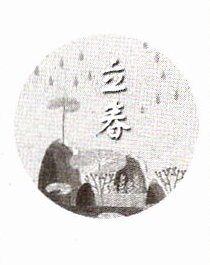
The Beginning of Spring, the first Solar Term of the year, falls on February 4th this year. After the Beginning of Spring, the daytime is becoming longer and the weather is becoming warmer. And people eat spring pancakes and spring rolls on the day.
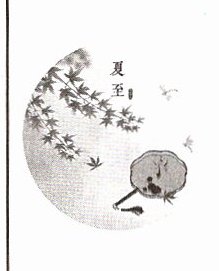
The Summer Solstice, the 10th Solar Term, falls on June 21st this year. The Summer Solstice is not the hottest time in a year. The hottest days often come 20 to 30 days later. People have a tradition of eating noodles on the day.
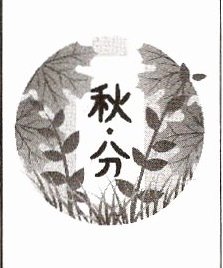
The Autumn Equinox, the 16th Solar Term, falls on September 23rd this year. On this day, day and night are of equal length(等长). After this day, days get shorter and nights get longer in the northern hemisphere(北半球). In South China, people eat Qiucai, a kind of amaranth(苋属植物).
The Major Snow, or "Daxue" in Chinese, the 21st Solar Term, falls on December 7th this year. It marks the arrival of midwinter. People have the customs of eating lamb and porridge.
1. How many Solar Terms are in Chinese lunar calendar?
A. 4.
B. 6.
C. 20.
D. 24.
2. According to the passage, which of the following days may be the hottest?
A. May 15th.
B. October 15th.
C. September 15th.
D. July 15th.
3. In October this year, days are
A. shorter than
B. longer than
C. as long as
D. as warm as
4. 新考法 细节多选 Which of the following is TRUE according to the passage?
① The Major Snow marks the arrival of winter.
② People eat lamb and porridge on the Beginning of Spring.
③ After the Summer Solstice, it will be the hottest time in a year.
④ Before the Autumn Equinox, days are longer and nights are shorter in China.
A. ①②
B. ③④
C. ①③
D. ②④
The traditional Chinese lunar calendar divides the year into different Solar Terms(节气). It's very useful for people's life and work. Let's have a look.
The Beginning of Spring, the first Solar Term of the year, falls on February 4th this year. After the Beginning of Spring, the daytime is becoming longer and the weather is becoming warmer. And people eat spring pancakes and spring rolls on the day.
The Summer Solstice, the 10th Solar Term, falls on June 21st this year. The Summer Solstice is not the hottest time in a year. The hottest days often come 20 to 30 days later. People have a tradition of eating noodles on the day.
The Autumn Equinox, the 16th Solar Term, falls on September 23rd this year. On this day, day and night are of equal length(等长). After this day, days get shorter and nights get longer in the northern hemisphere(北半球). In South China, people eat Qiucai, a kind of amaranth(苋属植物).
The Major Snow, or "Daxue" in Chinese, the 21st Solar Term, falls on December 7th this year. It marks the arrival of midwinter. People have the customs of eating lamb and porridge.
1. How many Solar Terms are in Chinese lunar calendar?
A. 4.
B. 6.
C. 20.
D. 24.
2. According to the passage, which of the following days may be the hottest?
A. May 15th.
B. October 15th.
C. September 15th.
D. July 15th.
3. In October this year, days are
A
nights in Yangzhou.A. shorter than
B. longer than
C. as long as
D. as warm as
4. 新考法 细节多选 Which of the following is TRUE according to the passage?
① The Major Snow marks the arrival of winter.
② People eat lamb and porridge on the Beginning of Spring.
③ After the Summer Solstice, it will be the hottest time in a year.
④ Before the Autumn Equinox, days are longer and nights are shorter in China.
A. ①②
B. ③④
C. ①③
D. ②④
答案
[文章大意]本文是一篇说明文,主要介绍了中国传统农历将一年分为不同的节气,并介绍了其中的立春、夏至、秋分和大雪四个节气。
1. D [解析]细节理解题。根据常识可知,中国农历一年有24 个节气,并且根据文中"the 21st Solar Term"可排除A、B、C三项。故选D。
2. D [解析]细节理解题。根据"The Summer Solstice, the 10th Solar Term, falls on June 21st this year. The Summer Solstice is not the hottest time in a year. The hottest days often come 20 to 30 days later."可知,今年夏至在6月21日,最热的日子通常在20到30天后,大约在7月11日到7月21日之间,所以7月15日可能是最热的日子。故选D。
3. A [解析]细节理解题。根据表格第三行内容可知,9月23日秋分后北半球白天变短,夜晚变长,扬州在中国,属于北半球,10月在秋分之后,所以10月扬州的白天比夜晚短。故选A。
4. B [解析]细节理解题。根据"The Major Snow, ...marks the arrival of midwinter."可知,冬至标志隆冬的到来,即冬天最冷的一段时期,而不是冬天的开始,因此①错误;根据"The Beginning of Spring... eat spring pancakes and spring rolls"可知,人们在立春吃春饼和春卷,因此②错误;根据"The Summer Solstice... The hottest days often come 20 to 30 days later."可知,③"夏至过后,将会迎来一年中最热的时候"正确;根据"The Autumn Equinox... day and night are of equal length(等长). After this day, days get shorter and nights get longer in the northern hemisphere(北半球)."可知,秋分之后北半球的黑夜更长,白天更短,反推秋分之前情况相反,中国在北半球,因此适用,所以④正确。故选B。
1. D [解析]细节理解题。根据常识可知,中国农历一年有24 个节气,并且根据文中"the 21st Solar Term"可排除A、B、C三项。故选D。
2. D [解析]细节理解题。根据"The Summer Solstice, the 10th Solar Term, falls on June 21st this year. The Summer Solstice is not the hottest time in a year. The hottest days often come 20 to 30 days later."可知,今年夏至在6月21日,最热的日子通常在20到30天后,大约在7月11日到7月21日之间,所以7月15日可能是最热的日子。故选D。
3. A [解析]细节理解题。根据表格第三行内容可知,9月23日秋分后北半球白天变短,夜晚变长,扬州在中国,属于北半球,10月在秋分之后,所以10月扬州的白天比夜晚短。故选A。
4. B [解析]细节理解题。根据"The Major Snow, ...marks the arrival of midwinter."可知,冬至标志隆冬的到来,即冬天最冷的一段时期,而不是冬天的开始,因此①错误;根据"The Beginning of Spring... eat spring pancakes and spring rolls"可知,人们在立春吃春饼和春卷,因此②错误;根据"The Summer Solstice... The hottest days often come 20 to 30 days later."可知,③"夏至过后,将会迎来一年中最热的时候"正确;根据"The Autumn Equinox... day and night are of equal length(等长). After this day, days get shorter and nights get longer in the northern hemisphere(北半球)."可知,秋分之后北半球的黑夜更长,白天更短,反推秋分之前情况相反,中国在北半球,因此适用,所以④正确。故选B。
解析
【分析】
这是一篇结合中国传统文化与地理知识的跨学科阅读理解题,解题时首先通读全文,梳理文中介绍的立春、夏至、秋分、大雪四个节气的时间、气候特点、传统习俗等核心信息,再结合每道题的题干要求,回到原文对应段落定位细节,同时结合已有的二十四节气常识、北半球昼夜变化规律辅助判断,逐一排除错误选项即可得到答案:第1题可结合常识和文中出现的“第21个节气”的信息直接判断总节气数;第2题定位夏至相关内容,推算最热时段的时间范围匹配选项;第3题结合秋分后北半球昼夜变化规律推导10月扬州的昼夜时长关系;第4题逐个验证四个表述的正误,筛选出全部正确的组合。
【解析】
1. 细节理解题:中国传统农历将全年划分为24个节气,同时原文明确提到存在第21个节气“大雪”,说明总节气数大于21,可直接排除A(4个)、B(6个)、C(20个)三个选项,因此选D。
2. 细节理解题:根据原文夏至段落内容,今年夏至为6月21日,夏至并非全年最热的时段,最热的日子通常出现在夏至之后20到30天,也就是7月11日至7月21日的区间内,四个选项中只有7月15日落在该区间,因此选D。
3. 细节理解题:根据原文秋分段落内容,今年秋分是9月23日,秋分当天昼夜等长,秋分过后北半球白天逐渐变短、夜晚逐渐变长,扬州位于北半球,10月处于秋分之后,因此当地白天时长比夜晚短,选A。
4. 细节判断题:逐一验证四个表述:①大雪标志的是隆冬(midwinter)到来,并非冬季的开端,表述错误;②立春的传统食物是春饼、春卷,吃羊肉、喝粥是大雪的习俗,表述错误;③夏至之后20-30天就会迎来全年最热的时段,说明夏至过后即将进入全年最热时期,表述正确;④秋分过后北半球昼短夜长,反推秋分之前北半球昼长夜短,中国位于北半球,符合该规律,表述正确。因此正确的是③④,选B。
【答案】
1. D 2. D 3. A 4. B
【知识点】
英语阅读细节定位;二十四节气常识;北半球昼夜变化规律
【点评】
本题属于跨学科创新题型,将英语阅读能力考查和中华优秀传统文化、基础地理知识点相结合,既锻炼学生快速抓取文本关键信息的阅读解题能力,也引导学生了解二十四节气相关的传统民俗文化,部分选项需要结合逻辑推导得出结论,避免了机械读文的弊端,对学生的综合素养有一定考查作用。
【难度系数】
0.6
这是一篇结合中国传统文化与地理知识的跨学科阅读理解题,解题时首先通读全文,梳理文中介绍的立春、夏至、秋分、大雪四个节气的时间、气候特点、传统习俗等核心信息,再结合每道题的题干要求,回到原文对应段落定位细节,同时结合已有的二十四节气常识、北半球昼夜变化规律辅助判断,逐一排除错误选项即可得到答案:第1题可结合常识和文中出现的“第21个节气”的信息直接判断总节气数;第2题定位夏至相关内容,推算最热时段的时间范围匹配选项;第3题结合秋分后北半球昼夜变化规律推导10月扬州的昼夜时长关系;第4题逐个验证四个表述的正误,筛选出全部正确的组合。
【解析】
1. 细节理解题:中国传统农历将全年划分为24个节气,同时原文明确提到存在第21个节气“大雪”,说明总节气数大于21,可直接排除A(4个)、B(6个)、C(20个)三个选项,因此选D。
2. 细节理解题:根据原文夏至段落内容,今年夏至为6月21日,夏至并非全年最热的时段,最热的日子通常出现在夏至之后20到30天,也就是7月11日至7月21日的区间内,四个选项中只有7月15日落在该区间,因此选D。
3. 细节理解题:根据原文秋分段落内容,今年秋分是9月23日,秋分当天昼夜等长,秋分过后北半球白天逐渐变短、夜晚逐渐变长,扬州位于北半球,10月处于秋分之后,因此当地白天时长比夜晚短,选A。
4. 细节判断题:逐一验证四个表述:①大雪标志的是隆冬(midwinter)到来,并非冬季的开端,表述错误;②立春的传统食物是春饼、春卷,吃羊肉、喝粥是大雪的习俗,表述错误;③夏至之后20-30天就会迎来全年最热的时段,说明夏至过后即将进入全年最热时期,表述正确;④秋分过后北半球昼短夜长,反推秋分之前北半球昼长夜短,中国位于北半球,符合该规律,表述正确。因此正确的是③④,选B。
【答案】
1. D 2. D 3. A 4. B
【知识点】
英语阅读细节定位;二十四节气常识;北半球昼夜变化规律
【点评】
本题属于跨学科创新题型,将英语阅读能力考查和中华优秀传统文化、基础地理知识点相结合,既锻炼学生快速抓取文本关键信息的阅读解题能力,也引导学生了解二十四节气相关的传统民俗文化,部分选项需要结合逻辑推导得出结论,避免了机械读文的弊端,对学生的综合素养有一定考查作用。
【难度系数】
0.6
Ⅴ. (2026·扬州邗江区期末)首字母填空
Major Snow(大雪), the 21st of China's 24 solar terms, usually starts 视频学重难 around December 7. True to its name, it is c 1 with a higher chance of snow than Minor Snow(小雪). The temperature will fall fast. Moreover, during Major Snow, the weather is quite d 2 across China.
In the north, temperatures often fall b 3 -10 degrees and turn rivers into ice. Heavy snow covers the countryside, painting a white landscape of "thousands of miles frozen". People here take part in winter outdoor a 4 : skating on frozen rivers, having snowball fights and even m 5 snowmen.
However, in the s 6 of China, snowfall is rare. People seldom enjoy snow and feel chilly cold. So warm foods like mutton soup or hot pot are p 7 among people, as they can drive away the cold and give much energy. Farmers in the south of China think the light snow very useful because s 8 can protect crops from freezing and kills pests. So as a famous Chinese saying goes, "A timely snow promises a good harvest."
Culturally, enjoying plum blossoms(梅花) is also a beloved activity. Plum blossoms come out bravely in the cold and become o 9 of the "Three Friends of Winter" along with pine and bamboo.
As an important part of Chinese culture, Major Snow not only shows the natural changes of seasons but also carries that people can get along well with n 10 . It reminds people to slow down, cherish warm moments with loved ones, and prepare for the cold.
1.
4.
7.
10.
Major Snow(大雪), the 21st of China's 24 solar terms, usually starts 视频学重难 around December 7. True to its name, it is c 1 with a higher chance of snow than Minor Snow(小雪). The temperature will fall fast. Moreover, during Major Snow, the weather is quite d 2 across China.
In the north, temperatures often fall b 3 -10 degrees and turn rivers into ice. Heavy snow covers the countryside, painting a white landscape of "thousands of miles frozen". People here take part in winter outdoor a 4 : skating on frozen rivers, having snowball fights and even m 5 snowmen.
However, in the s 6 of China, snowfall is rare. People seldom enjoy snow and feel chilly cold. So warm foods like mutton soup or hot pot are p 7 among people, as they can drive away the cold and give much energy. Farmers in the south of China think the light snow very useful because s 8 can protect crops from freezing and kills pests. So as a famous Chinese saying goes, "A timely snow promises a good harvest."
Culturally, enjoying plum blossoms(梅花) is also a beloved activity. Plum blossoms come out bravely in the cold and become o 9 of the "Three Friends of Winter" along with pine and bamboo.
As an important part of Chinese culture, Major Snow not only shows the natural changes of seasons but also carries that people can get along well with n 10 . It reminds people to slow down, cherish warm moments with loved ones, and prepare for the cold.
1.
colder
2. different
3. below
4.
activities
5. making
6. south
7.
popular
8. snow
9. one
10.
nature
答案
[文章大意]本文主要介绍了中国二十四节气中的"大雪",包括它的气候特点、南北方不同的天气与人们的活动,以及相关的饮食、农事和文化习俗,并点明了它承载的人与自然和谐相处的文化内涵。
1. colder 2. different 3. below 4. activities 5. making
6. south 7. popular 8. snow 9. one 10. nature
1. colder 2. different 3. below 4. activities 5. making
6. south 7. popular 8. snow 9. one 10. nature
解析
【分析】
做首字母填空类题目,首先要先通读全文,把握文章整体大意,本文主题是介绍二十四节气之一“大雪”的相关气候特征、南北方习俗、文化内涵,明确主题后再逐句分析每个空格:首先结合空格前后的语义提示和首字母锁定单词的大致语义方向,再结合固定搭配、语法规则确定单词的正确形式,要重点留意比较级、名词单复数、非谓语动词这类容易遗漏的形变点;遇到暂时拿不准的空可以先跳过,做完后续空格后再结合上下文的对比、并列等逻辑回头验证,就能顺利推导出所有答案。
【解析】
1. 句意:名副其实,大雪节气气温更低,降雪概率比小雪更高。后文出现than提示要用比较级,结合首字母c和语义“更冷的”,填形容词比较级colder。
2. 句意:此外,大雪期间中国各地的天气相当不同。后文分别介绍北方和南方完全不同的气候特征,结合首字母d,填形容词different,表示“不同的”。
3. 句意:在北方,气温经常降到零下10度以下,河流结冰。表示“在某一温度数值以下”用介词below,结合首字母b,填below。
4. 句意:这里的人们参加冬季户外活动:在结冰的河上滑冰、打雪仗……后文列举了多个不同的活动,结合首字母a,用名词复数activities表示多项活动。
5. 句意:这里的人们参加冬季户外活动:在结冰的河上滑冰、打雪仗甚至堆雪人。句中skating、having和空格处是并列的介词in后的宾语,都要使用动名词形式,结合首字母m,填making,make snowmen是固定搭配“堆雪人”。
6. 句意:然而,在中国南方,降雪很罕见。前文介绍北方的气候情况,用however转折引出南方的差异特征,结合首字母s,填south。
7. 句意:所以像羊肉汤、火锅这类暖身食物在人们中很受欢迎,固定搭配be popular among表示“在……中受欢迎”,结合首字母p,填popular。
8. 句意:中国南方的农民认为小雪非常有用,因为雪可以保护作物不被冻坏还能杀虫。这里指代前文提到的降雪,结合首字母s,填snow。
9. 句意:梅花在严寒中勇敢绽放,和松、竹一起成为“岁寒三友”之一。固定搭配one of + 可数名词复数,表示“……之一”,结合首字母o,填one。
10. 句意:作为中国文化的重要部分,大雪不仅展示了季节的自然变化,也承载着人们可以和自然和谐共处的内涵。结合语义和首字母n,填nature表示“自然”。
【答案】
1. colder 2. different 3. below 4. activities 5. making
6. south 7. popular 8. snow 9. one 10. nature
【知识点】
首字母语境推理,固定短语搭配,词形变换
【点评】
本题以中国传统二十四节气“大雪”为主题,将传统文化知识和英语语言考察结合,大部分空格依托上下文逻辑和基础固定搭配即可推导,易错点在于第5空的并列动名词形式,学生容易忽略并列结构的形式一致性错填动词原形,整体既考察学生的词汇积累,也引导学生关注中国传统节气文化。
【难度系数】
0.7
做首字母填空类题目,首先要先通读全文,把握文章整体大意,本文主题是介绍二十四节气之一“大雪”的相关气候特征、南北方习俗、文化内涵,明确主题后再逐句分析每个空格:首先结合空格前后的语义提示和首字母锁定单词的大致语义方向,再结合固定搭配、语法规则确定单词的正确形式,要重点留意比较级、名词单复数、非谓语动词这类容易遗漏的形变点;遇到暂时拿不准的空可以先跳过,做完后续空格后再结合上下文的对比、并列等逻辑回头验证,就能顺利推导出所有答案。
【解析】
1. 句意:名副其实,大雪节气气温更低,降雪概率比小雪更高。后文出现than提示要用比较级,结合首字母c和语义“更冷的”,填形容词比较级colder。
2. 句意:此外,大雪期间中国各地的天气相当不同。后文分别介绍北方和南方完全不同的气候特征,结合首字母d,填形容词different,表示“不同的”。
3. 句意:在北方,气温经常降到零下10度以下,河流结冰。表示“在某一温度数值以下”用介词below,结合首字母b,填below。
4. 句意:这里的人们参加冬季户外活动:在结冰的河上滑冰、打雪仗……后文列举了多个不同的活动,结合首字母a,用名词复数activities表示多项活动。
5. 句意:这里的人们参加冬季户外活动:在结冰的河上滑冰、打雪仗甚至堆雪人。句中skating、having和空格处是并列的介词in后的宾语,都要使用动名词形式,结合首字母m,填making,make snowmen是固定搭配“堆雪人”。
6. 句意:然而,在中国南方,降雪很罕见。前文介绍北方的气候情况,用however转折引出南方的差异特征,结合首字母s,填south。
7. 句意:所以像羊肉汤、火锅这类暖身食物在人们中很受欢迎,固定搭配be popular among表示“在……中受欢迎”,结合首字母p,填popular。
8. 句意:中国南方的农民认为小雪非常有用,因为雪可以保护作物不被冻坏还能杀虫。这里指代前文提到的降雪,结合首字母s,填snow。
9. 句意:梅花在严寒中勇敢绽放,和松、竹一起成为“岁寒三友”之一。固定搭配one of + 可数名词复数,表示“……之一”,结合首字母o,填one。
10. 句意:作为中国文化的重要部分,大雪不仅展示了季节的自然变化,也承载着人们可以和自然和谐共处的内涵。结合语义和首字母n,填nature表示“自然”。
【答案】
1. colder 2. different 3. below 4. activities 5. making
6. south 7. popular 8. snow 9. one 10. nature
【知识点】
首字母语境推理,固定短语搭配,词形变换
【点评】
本题以中国传统二十四节气“大雪”为主题,将传统文化知识和英语语言考察结合,大部分空格依托上下文逻辑和基础固定搭配即可推导,易错点在于第5空的并列动名词形式,学生容易忽略并列结构的形式一致性错填动词原形,整体既考察学生的词汇积累,也引导学生关注中国传统节气文化。
【难度系数】
0.7
