

 登录
登录
A
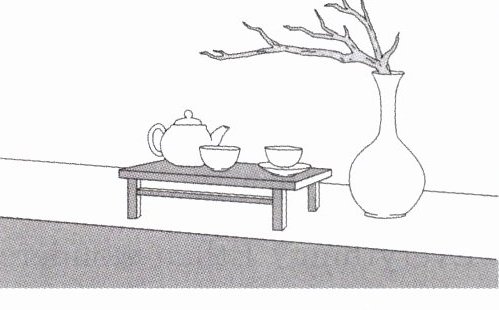
Traditional Chinese Tea Experience
Tea Party at Yummy Teahouse
★What to expect
·Learn about Chinese tea culture,including traditional Chinese tea ceremony(仪式).
·Listen to the introduction of different kinds of tea.
·Make tea by hand in the traditional way and sit down to enjoy.
★Opening hours
·2:00 p.m. —7:00 p.m. on weekends
·7:00 p.m. —8:00 p.m. from Monday to Friday
★Price information
90 yuan each person
★Location
Zhou Zhuang Jiayuan Dongli,Chaoyang District,Beijing
Click(点击) here to open in Maps
(
①Listen to the introduction of tea.
②Make tea in the modern way.
③Learn about Chinese tea ceremony.
④Enjoy tea and traditional music.
A. ①②
B. ③④
C. ①③
D. ②④
(
A. At 7:00 a.m.
B. At 9:00 a.m.
C. At 3:00 p.m.
D. At 8:00 p.m.
(
A. In a magazine.
B. On the website.
C. On the noticeboard. D. In a guidebook.
Traditional Chinese Tea Experience
Tea Party at Yummy Teahouse
★What to expect
·Learn about Chinese tea culture,including traditional Chinese tea ceremony(仪式).
·Listen to the introduction of different kinds of tea.
·Make tea by hand in the traditional way and sit down to enjoy.
★Opening hours
·2:00 p.m. —7:00 p.m. on weekends
·7:00 p.m. —8:00 p.m. from Monday to Friday
★Price information
90 yuan each person
★Location
Zhou Zhuang Jiayuan Dongli,Chaoyang District,Beijing
Click(点击) here to open in Maps
(
C
)26. Which activities can we do at the tea party?①Listen to the introduction of tea.
②Make tea in the modern way.
③Learn about Chinese tea ceremony.
④Enjoy tea and traditional music.
A. ①②
B. ③④
C. ①③
D. ②④
(
C
)27. If Peter wants to go to the teahouse on Saturday,what time can he take part in the party?A. At 7:00 a.m.
B. At 9:00 a.m.
C. At 3:00 p.m.
D. At 8:00 p.m.
(
B
)28. Where can we probably read this passage?A. In a magazine.
B. On the website.
C. On the noticeboard. D. In a guidebook.
答案
26~28 CCB
【语篇解读】本文是一篇应用文。文章主要介绍了在Yummy茶馆体验传统中国茶文化,包括茶道仪式、茶叶介绍和手工泡茶等内容。
【语篇解读】本文是一篇应用文。文章主要介绍了在Yummy茶馆体验传统中国茶文化,包括茶道仪式、茶叶介绍和手工泡茶等内容。
解析
【分析】
本题是一篇关于茶馆体验的应用文广告,解题时需根据题目要求定位原文对应信息:26题需定位活动相关内容,27题需定位周末开放时间,28题需根据特殊表述判断文章来源,通过匹配原文与选项得出答案。
【解析】
26题:根据文中“What to expect”板块,提到“Learn about Chinese tea culture, including traditional Chinese tea ceremony”对应③,“Listen to the introduction of different kinds of tea”对应①;②中“modern way”与原文“traditional way”不符,④中“traditional music”原文未提及,因此选C。
27题:根据“Opening hours”板块,周末开放时间为2:00 p.m. —7:00 p.m.,选项中仅C(3:00 p.m.)在该时间段内,因此选C。
28题:文中出现“Click(点击) here to open in Maps”,带有点击跳转功能的表述常见于网站,因此选B。
【答案】26.C 27.C 28.B
【知识点】应用文阅读;细节理解;推理判断
【点评】本题为应用文广告类阅读,侧重考查学生提取文章关键信息的能力,题目设置基础,只要仔细阅读原文对应内容即可正确解答。
【难度系数】0.8
本题是一篇关于茶馆体验的应用文广告,解题时需根据题目要求定位原文对应信息:26题需定位活动相关内容,27题需定位周末开放时间,28题需根据特殊表述判断文章来源,通过匹配原文与选项得出答案。
【解析】
26题:根据文中“What to expect”板块,提到“Learn about Chinese tea culture, including traditional Chinese tea ceremony”对应③,“Listen to the introduction of different kinds of tea”对应①;②中“modern way”与原文“traditional way”不符,④中“traditional music”原文未提及,因此选C。
27题:根据“Opening hours”板块,周末开放时间为2:00 p.m. —7:00 p.m.,选项中仅C(3:00 p.m.)在该时间段内,因此选C。
28题:文中出现“Click(点击) here to open in Maps”,带有点击跳转功能的表述常见于网站,因此选B。
【答案】26.C 27.C 28.B
【知识点】应用文阅读;细节理解;推理判断
【点评】本题为应用文广告类阅读,侧重考查学生提取文章关键信息的能力,题目设置基础,只要仔细阅读原文对应内容即可正确解答。
【难度系数】0.8
B
Salt has been an important part of Chinese culture for thousands of years. In ancient times,people discovered clever ways to make salt from sea water and salt mines(矿井). Let's look at how people made salt using traditional skills.
One of the oldest ways was boiling(煮)sea water. Workers would first collect sea water in large pots. They built fires under the pots and boiled the water for a long time. As the water dried up,white salt was left at the bottom. Another way was using salt mines. In places like Sichuan,people dug deep wells to reach salt water underground. They used bamboo to bring the water out,then boiled it to get salt.
The tools for ancient salt making were simple but smart. About 2,500 years ago,bamboo baskets were used to get the dirt out of the salt water,and pots were heated(加热)evenly,making the temperature the same in all parts.
During the Tang Dynasty,salt making skills improved greatly. In sunny areas,people used sun drying. They built stone pools near the sea to let sea water in,and waited for the sun to dry the sea water,leaving salt. This saved energy and made the step faster.
Today,most salt is made by machines,but ancient skills are still remembered. In some villages,old salt wells and bamboo tools are kept as cultural treasures. Visitors can watch how salt was made long ago and learn about how smart ancestors were.
(

(
A. She practised every day before the competition.
B. Mike spoke to make sure the teacher could hear him.
C. Cut the cake so that everyone can get the same size.
D. They walked along the way to enjoy the nice view.
(
A. By the order of space.
B. By the order of time.
C. By the order of location.
D. By the order of steps.
(
A. One Chinese Cultural Treasure
B. Modern Ways to Make Salt
C. Ancient Salt - Making Skills
D. A Symbol of China - Salt
Salt has been an important part of Chinese culture for thousands of years. In ancient times,people discovered clever ways to make salt from sea water and salt mines(矿井). Let's look at how people made salt using traditional skills.
One of the oldest ways was boiling(煮)sea water. Workers would first collect sea water in large pots. They built fires under the pots and boiled the water for a long time. As the water dried up,white salt was left at the bottom. Another way was using salt mines. In places like Sichuan,people dug deep wells to reach salt water underground. They used bamboo to bring the water out,then boiled it to get salt.
The tools for ancient salt making were simple but smart. About 2,500 years ago,bamboo baskets were used to get the dirt out of the salt water,and pots were heated(加热)evenly,making the temperature the same in all parts.
During the Tang Dynasty,salt making skills improved greatly. In sunny areas,people used sun drying. They built stone pools near the sea to let sea water in,and waited for the sun to dry the sea water,leaving salt. This saved energy and made the step faster.
Today,most salt is made by machines,but ancient skills are still remembered. In some villages,old salt wells and bamboo tools are kept as cultural treasures. Visitors can watch how salt was made long ago and learn about how smart ancestors were.
(
A
)29. Which picture can be the illustration(插图)of this passage?(
C
)30. Where can the underlined word “evenly” in Paragraph 3 be put?A. She practised every day before the competition.
B. Mike spoke to make sure the teacher could hear him.
C. Cut the cake so that everyone can get the same size.
D. They walked along the way to enjoy the nice view.
(
B
)31. How does the writer develop(发展)the passage?A. By the order of space.
B. By the order of time.
C. By the order of location.
D. By the order of steps.
(
C
)32. What is the best title for this passage?A. One Chinese Cultural Treasure
B. Modern Ways to Make Salt
C. Ancient Salt - Making Skills
D. A Symbol of China - Salt
答案
29~32 ACBC
【语篇解读】本文介绍了盐在中国文化中的重要性,并概述了古代人们利用传统技能从海水和盐矿中制盐的方法,以及唐朝时期改进的晒盐法,同时提到了古代制盐工具以及现代对古代技能的铭记。
【语篇解读】本文介绍了盐在中国文化中的重要性,并概述了古代人们利用传统技能从海水和盐矿中制盐的方法,以及唐朝时期改进的晒盐法,同时提到了古代制盐工具以及现代对古代技能的铭记。
解析
【分析】
29题:需匹配文章插图,文章核心是古代制盐的传统技能,观察四幅图:A是古代煮盐的制盐场景,B是纺织工具、C是制陶场景、D是乐器演奏,均与制盐无关,故选A。
30题:考查副词evenly的词义,evenly意为“均匀地”,分析选项:A需填练习的内容;B需填“大声地”;C需填“均匀地”,符合词义;D需填“缓慢地”,故选C。
31题:文章依次提及“古代”“约2500年前”“唐朝”“今天”,按时间顺序展开,故选B。
32题:文章核心是介绍古代制盐的传统技能,A过于宽泛,B与文章古代内容不符,D偏离主旨,故选C。
【解析】
29题:文章围绕古代制盐的传统技能展开,A图呈现了古代煮盐的制盐场景,与内容匹配;其余选项均与制盐无关,故选A。
30题:evenly意为“均匀地”,A需填练习内容、B需填loudly、D需填slowly,只有C“切蛋糕均匀”符合evenly的词义,故选C。
31题:文章按“古代→约2500年前→唐朝→今天”的时间顺序推进内容,故选B。
32题:文章核心是介绍古代制盐的传统技能,A宽泛、B不符、D偏离,C贴合主旨,故选C。
【答案】
29~32 ACBC
【知识点】
阅读理解(细节理解、词义辨析、文章结构、主旨大意)
【点评】
本题为英语阅读理解题,围绕古代制盐主题设置细节、词义、结构、主旨类题目,考查学生对文章内容、词汇及语篇结构的把握,难度适中。
【难度系数】
0.6
29题:需匹配文章插图,文章核心是古代制盐的传统技能,观察四幅图:A是古代煮盐的制盐场景,B是纺织工具、C是制陶场景、D是乐器演奏,均与制盐无关,故选A。
30题:考查副词evenly的词义,evenly意为“均匀地”,分析选项:A需填练习的内容;B需填“大声地”;C需填“均匀地”,符合词义;D需填“缓慢地”,故选C。
31题:文章依次提及“古代”“约2500年前”“唐朝”“今天”,按时间顺序展开,故选B。
32题:文章核心是介绍古代制盐的传统技能,A过于宽泛,B与文章古代内容不符,D偏离主旨,故选C。
【解析】
29题:文章围绕古代制盐的传统技能展开,A图呈现了古代煮盐的制盐场景,与内容匹配;其余选项均与制盐无关,故选A。
30题:evenly意为“均匀地”,A需填练习内容、B需填loudly、D需填slowly,只有C“切蛋糕均匀”符合evenly的词义,故选C。
31题:文章按“古代→约2500年前→唐朝→今天”的时间顺序推进内容,故选B。
32题:文章核心是介绍古代制盐的传统技能,A宽泛、B不符、D偏离,C贴合主旨,故选C。
【答案】
29~32 ACBC
【知识点】
阅读理解(细节理解、词义辨析、文章结构、主旨大意)
【点评】
本题为英语阅读理解题,围绕古代制盐主题设置细节、词义、结构、主旨类题目,考查学生对文章内容、词汇及语篇结构的把握,难度适中。
【难度系数】
0.6
