

 登录
登录
AI DPSK原创 新素材 素材来源:babie.cc
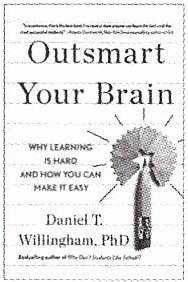
[2026 原创] Daniel T. Willingham is a scientist who studies how people learn. In his book, Outsmart Your Brain, he shares an important idea: schools ask students to learn, but they often forget to teach them how to learn effectively.
Willingham says that most students are never taught good study skills. They do not learn how to organize their time, what information is the most important, or what if when they keep putting off their work. We know this is true because many adults remember this from their school days. Often, teachers just tell students to “try harder”. But Willingham explains that just wanting to learn is not enough to be successful. He says that we need the right skills and methods. Simply repeating something over and over is also not a good way to remember it.
His book gives useful advice for the main tasks students do: listening in class, reading books, and taking tests. For example, he teaches students how to take good notes and how to organize their study materials. He also warns that using a laptop in class can be distracting. He suggests students put their laptops in the airplane mode to help them focus.
The author believes schools should teach these skills directly. A special class on how to study could be very helpful, especially for junior high students when schoolwork becomes harder. When students are taught how to learn, they become more successful and confident.
(
A. There are not enough good books about learning.
B. Students are not trying hard enough in their studies.
C. Schools focus on what to learn, but not how to learn.
D. Teachers do not use enough technology in classrooms.
(
A. To try harder.
B. To read more books.
C. To study with friends.
D. To organize their time.
(
A. The dangers of using laptops in class.
B. The main tasks all students have to do.
C. Specific examples of advice from the book.
D. The importance of organizing study materials.
(
A. Just wanting to learn is not enough.
B. Laptops should not be allowed in class.
C. Schools should directly teach study skills.
D. Repeating things is an ineffective method.
(
A. To offer a step-by-step study guide.
B. To share an expert's ideas on learning.
C. To complain about teachers and schools.
D. To give an opinion on Willingham's book.
[2026 原创] Daniel T. Willingham is a scientist who studies how people learn. In his book, Outsmart Your Brain, he shares an important idea: schools ask students to learn, but they often forget to teach them how to learn effectively.
Willingham says that most students are never taught good study skills. They do not learn how to organize their time, what information is the most important, or what if when they keep putting off their work. We know this is true because many adults remember this from their school days. Often, teachers just tell students to “try harder”. But Willingham explains that just wanting to learn is not enough to be successful. He says that we need the right skills and methods. Simply repeating something over and over is also not a good way to remember it.
His book gives useful advice for the main tasks students do: listening in class, reading books, and taking tests. For example, he teaches students how to take good notes and how to organize their study materials. He also warns that using a laptop in class can be distracting. He suggests students put their laptops in the airplane mode to help them focus.
The author believes schools should teach these skills directly. A special class on how to study could be very helpful, especially for junior high students when schoolwork becomes harder. When students are taught how to learn, they become more successful and confident.
(
C
)1. What is the main problem Daniel T. Willingham points out in the passage?A. There are not enough good books about learning.
B. Students are not trying hard enough in their studies.
C. Schools focus on what to learn, but not how to learn.
D. Teachers do not use enough technology in classrooms.
(
A
)2. What advice do teachers often give that Willingham finds unhelpful?A. To try harder.
B. To read more books.
C. To study with friends.
D. To organize their time.
(
C
)3. What is the third paragraph mainly about?A. The dangers of using laptops in class.
B. The main tasks all students have to do.
C. Specific examples of advice from the book.
D. The importance of organizing study materials.
(
B
)4. Which of the following is NOT an opinion from Willingham?A. Just wanting to learn is not enough.
B. Laptops should not be allowed in class.
C. Schools should directly teach study skills.
D. Repeating things is an ineffective method.
(
B
)5. 新考法 写作意图 What is the writer's main purpose in this passage?A. To offer a step-by-step study guide.
B. To share an expert's ideas on learning.
C. To complain about teachers and schools.
D. To give an opinion on Willingham's book.
答案
1. C 细节理解题。根据第一段的“... schools ask students to learn, but they often forget to teach them how to learn effectively. ”和第二段的详细阐述可知,威林厄姆指出的核心问题是学校重“教什么”而轻“教怎么学”。故选C项。
2. A 细节理解题。根据第二段的“Often, teachers just tell students to ‘try harder’. But Willingham explains that just wanting to learn is not enough to be successful. ”可知,威林厄姆认为老师常说的“再努力点”这种只关于“想学习”的建议并不足以让人成功。故选A项。
3. C 主旨大意题。第三段首先总述书中给的
知识拓展
努力 vs 策略
( Effort vs Strategy):
威林厄姆的观点触及了教育心理学的一个核心概念:有效的学习不仅仅要投入时间和努力,更重要的是使用正确的策略。仅仅告诉学生努力而没有提供具体方法,可能会让学生陷入“低效勤奋”的困境,即花了大量时间却收效甚微,甚至会打击他们的学习积极性。科学的学习策略,如间隔重复、主动回忆、费曼学习法等,才是将努力转化为成果的关键。
建议,接着举了具体的例子,以及关于在课堂上使用笔记本电脑的建议。因此,该段的主要内容是介绍书中的具体建议实例。故选C项。
4. B 细节理解题。根据第三段最后两句可知,威林厄姆认为笔记本电脑会分散注意力,并提出了解决方法(开启飞行模式),但他并未提出“笔记本电脑不应被允许带入课堂”这种绝对的禁令。故选B项。
5. B 推理判断题。通篇文章都在客观地介绍科学家丹尼尔·T·威林厄姆的观点、其著作的核心内容以及他对教育的建议。作者的角色是一个信息分享者,旨在将一位专家的理念传达给读者。故选B项。
2. A 细节理解题。根据第二段的“Often, teachers just tell students to ‘try harder’. But Willingham explains that just wanting to learn is not enough to be successful. ”可知,威林厄姆认为老师常说的“再努力点”这种只关于“想学习”的建议并不足以让人成功。故选A项。
3. C 主旨大意题。第三段首先总述书中给的
知识拓展
努力 vs 策略
( Effort vs Strategy):
威林厄姆的观点触及了教育心理学的一个核心概念:有效的学习不仅仅要投入时间和努力,更重要的是使用正确的策略。仅仅告诉学生努力而没有提供具体方法,可能会让学生陷入“低效勤奋”的困境,即花了大量时间却收效甚微,甚至会打击他们的学习积极性。科学的学习策略,如间隔重复、主动回忆、费曼学习法等,才是将努力转化为成果的关键。
建议,接着举了具体的例子,以及关于在课堂上使用笔记本电脑的建议。因此,该段的主要内容是介绍书中的具体建议实例。故选C项。
4. B 细节理解题。根据第三段最后两句可知,威林厄姆认为笔记本电脑会分散注意力,并提出了解决方法(开启飞行模式),但他并未提出“笔记本电脑不应被允许带入课堂”这种绝对的禁令。故选B项。
5. B 推理判断题。通篇文章都在客观地介绍科学家丹尼尔·T·威林厄姆的观点、其著作的核心内容以及他对教育的建议。作者的角色是一个信息分享者,旨在将一位专家的理念传达给读者。故选B项。
解析
【分析】
本题为教育类阅读理解题,需结合原文内容逐一分析各题目:
1. 第1题需定位原文中Willingham指出的核心问题,明确学校在教学上的疏漏;
2. 第2题需找到老师给出的建议及Willingham对该建议的评价;
3. 第3题需概括第三段的核心内容,判断段落主旨;
4. 第4题需核对原文,找出不属于Willingham观点的选项;
5. 第5题需分析作者的写作意图,明确文章的核心目的。
【解析】
1. 第1题:根据第一段“schools ask students to learn, but they often forget to teach them how to learn effectively”可知,Willingham指出学校关注“教什么”,却忽略“如何有效学习”,对应选项C。A选项未提及“足够的学习书籍”;B选项是Willingham否定的观点;D选项未涉及“课堂技术使用”,故选C。
2. 第2题:根据第二段“Often, teachers just tell students to ‘try harder’. But Willingham explains that just wanting to learn is not enough to be successful”可知,老师常给的建议是“try harder”,Willingham认为该建议无帮助,对应选项A。B、C选项原文未提及;D选项是Willingham提到学生未掌握的技能,不是老师的建议,故选A。
3. 第3题:第三段先总述书针对学生主要任务给出建议,接着举了记笔记、整理学习材料、课堂用笔记本电脑的建议等具体例子,核心是介绍书中的具体建议实例,对应选项C。A选项仅为段落中的一个例子,不全面;B选项是段落总起,非主旨;D选项也是例子之一,故选C。
4. 第4题:根据第三段“using a laptop in class can be distracting. He suggests students put their laptops in the airplane mode to help them focus”可知,Willingham仅建议开飞行模式,未提出“禁止带笔记本电脑”,B选项不是他的观点。A、C、D均是他的观点,故选B。
5. 第5题:文章通篇客观介绍Willingham的身份、著作核心观点及教育建议,目的是分享这位专家关于学习的理念,对应选项B。A选项未提供分步学习指南;C选项并非抱怨;D选项不只是对书的观点,而是分享专家想法,故选B。
【答案】
1. C 2. A 3. C 4. B 5. B
【知识点】
阅读理解、细节理解题、主旨大意题
【点评】
本题考查学生的信息定位、段落概括及意图判断能力,题型以细节题为主,内容贴近教育实际,难度适中。
【难度系数】
0.6
本题为教育类阅读理解题,需结合原文内容逐一分析各题目:
1. 第1题需定位原文中Willingham指出的核心问题,明确学校在教学上的疏漏;
2. 第2题需找到老师给出的建议及Willingham对该建议的评价;
3. 第3题需概括第三段的核心内容,判断段落主旨;
4. 第4题需核对原文,找出不属于Willingham观点的选项;
5. 第5题需分析作者的写作意图,明确文章的核心目的。
【解析】
1. 第1题:根据第一段“schools ask students to learn, but they often forget to teach them how to learn effectively”可知,Willingham指出学校关注“教什么”,却忽略“如何有效学习”,对应选项C。A选项未提及“足够的学习书籍”;B选项是Willingham否定的观点;D选项未涉及“课堂技术使用”,故选C。
2. 第2题:根据第二段“Often, teachers just tell students to ‘try harder’. But Willingham explains that just wanting to learn is not enough to be successful”可知,老师常给的建议是“try harder”,Willingham认为该建议无帮助,对应选项A。B、C选项原文未提及;D选项是Willingham提到学生未掌握的技能,不是老师的建议,故选A。
3. 第3题:第三段先总述书针对学生主要任务给出建议,接着举了记笔记、整理学习材料、课堂用笔记本电脑的建议等具体例子,核心是介绍书中的具体建议实例,对应选项C。A选项仅为段落中的一个例子,不全面;B选项是段落总起,非主旨;D选项也是例子之一,故选C。
4. 第4题:根据第三段“using a laptop in class can be distracting. He suggests students put their laptops in the airplane mode to help them focus”可知,Willingham仅建议开飞行模式,未提出“禁止带笔记本电脑”,B选项不是他的观点。A、C、D均是他的观点,故选B。
5. 第5题:文章通篇客观介绍Willingham的身份、著作核心观点及教育建议,目的是分享这位专家关于学习的理念,对应选项B。A选项未提供分步学习指南;C选项并非抱怨;D选项不只是对书的观点,而是分享专家想法,故选B。
【答案】
1. C 2. A 3. C 4. B 5. B
【知识点】
阅读理解、细节理解题、主旨大意题
【点评】
本题考查学生的信息定位、段落概括及意图判断能力,题型以细节题为主,内容贴近教育实际,难度适中。
【难度系数】
0.6
