

 登录
登录
A(2023·江苏盐城建湖秀夫初级中学三模)
In ancient Chinese stories, Cangjie created characters(文字). Cangjie was smart, so the leader Huangdi gave him the job of r 1 things. However, Cangjie found that the job became more d 2 as the number of the things to record grew. He wanted to find out a way to s 3 the problem.
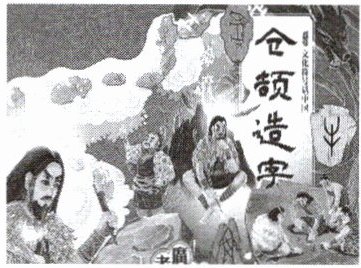
One day, Cangjie went hunting w 4 several other people. He noticed the hunters chose their way by looking at the different footprints(脚印) of animals. A 5 seeing this, Cangjie thought if there were different signs for different things, he could remember all the important things easily. T 6 hard work, he finally created the signs for writing. Huangdi was happy with Cangjie’s work and asked him to teach the signs to others. They all thanked Cangjie. Over time he got p 7.
Cangjie was teaching a class one day. An old man l 8 to him carefully. After the class, the old man asked Cangjie, “The signs you created for the horse and the dog show they have four legs. A cow a 9 has four legs. But why doesn’t the sign for the cow show that?”
Cangjie found he mixed the two signs up when teaching. He f 10 that. From then on, Cangjie was more careful about his work.
1.
6.
In ancient Chinese stories, Cangjie created characters(文字). Cangjie was smart, so the leader Huangdi gave him the job of r 1 things. However, Cangjie found that the job became more d 2 as the number of the things to record grew. He wanted to find out a way to s 3 the problem.
One day, Cangjie went hunting w 4 several other people. He noticed the hunters chose their way by looking at the different footprints(脚印) of animals. A 5 seeing this, Cangjie thought if there were different signs for different things, he could remember all the important things easily. T 6 hard work, he finally created the signs for writing. Huangdi was happy with Cangjie’s work and asked him to teach the signs to others. They all thanked Cangjie. Over time he got p 7.
Cangjie was teaching a class one day. An old man l 8 to him carefully. After the class, the old man asked Cangjie, “The signs you created for the horse and the dog show they have four legs. A cow a 9 has four legs. But why doesn’t the sign for the cow show that?”
Cangjie found he mixed the two signs up when teaching. He f 10 that. From then on, Cangjie was more careful about his work.
1.
recording
2. difficult
3. solve
4. with
5. After
6.
Through
7. proud
8. listened
9. also
10. felt
答案
1. recording 2. difficult 3. solve 4. with 5. After
6. Through 7. proud 8. listened 9. also 10. felt
6. Through 7. proud 8. listened 9. also 10. felt
解析
【分析】
这是一篇记叙文类首字母填空题,围绕中国传统仓颉造字的典故展开,解题时首先要通读全文理清故事的完整脉络:仓颉受动物脚印启发创造文字,获得众人认可后逐渐骄傲,被老人指出疏漏后变得更加谨慎。接下来结合每个空的首字母提示,联系前后文语境、固定搭配和语法规则逐一推导单词,同时要注意介词后动词的形式、全文字态时态统一等细节,验证填入后语义通顺、语法正确即可。
【解析】
1. 后文出现提示"the things to record",说明黄帝交给仓颉的工作是记录事物,介词of后要接动名词形式,r开头对应recording。
2. 句意:随着需要记录的事物数量增长,这份工作变得更难了,more后接多音节形容词原级构成比较级,d开头对应difficult。
3. 句意:他想要找到一个方法来解决这个问题,固定搭配solve the problem表示解决问题,a way to do sth结构用动词原形,s开头对应solve。
4. 句意:一天仓颉和其他几个人去打猎,介词with表示"和……一起",符合语境,w开头对应with。
5. 句意:看到这个之后,仓颉想到如果不同事物有不同的符号,就能轻松记住所有重要的事,介词after表示"在……之后",句首首字母大写,A开头对应After。
6. 句意:通过努力工作,他最终创造出了书写用的符号,介词Through表示"凭借、通过",句首首字母大写,T开头对应Through。
7. 前文提到黄帝对他的成果很满意,所有人都感谢他,久而久之他变得骄傲,形容词proud作表语,p开头对应proud。
8. 固定搭配listen to表示"听",全文叙事为一般过去时,动词要用过去式,l开头对应listened。
9. 前文提到马和狗的符号都体现了它们有四条腿,此处表示牛也有四条腿,副词also表示"也",a开头对应also。
10. 句意:他感受到了自己的疏漏,叙事为一般过去时,动词用过去式,f开头对应felt。
【答案】
1. recording 2. difficult 3. solve 4. with 5. After
6. Through 7. proud 8. listened 9. also 10. felt
【知识点】
首字母完形填空,动词时态,介词用法
【点评】
本题结合中国传统神话典故命题,在考察英语词汇、基础语法和语境理解能力的同时,也能让学生了解传统文化小故事,大部分空的提示线索明确,仅少数空需要注意非谓语、时态的形式变化,区分度合理。
【难度系数】
0.6
这是一篇记叙文类首字母填空题,围绕中国传统仓颉造字的典故展开,解题时首先要通读全文理清故事的完整脉络:仓颉受动物脚印启发创造文字,获得众人认可后逐渐骄傲,被老人指出疏漏后变得更加谨慎。接下来结合每个空的首字母提示,联系前后文语境、固定搭配和语法规则逐一推导单词,同时要注意介词后动词的形式、全文字态时态统一等细节,验证填入后语义通顺、语法正确即可。
【解析】
1. 后文出现提示"the things to record",说明黄帝交给仓颉的工作是记录事物,介词of后要接动名词形式,r开头对应recording。
2. 句意:随着需要记录的事物数量增长,这份工作变得更难了,more后接多音节形容词原级构成比较级,d开头对应difficult。
3. 句意:他想要找到一个方法来解决这个问题,固定搭配solve the problem表示解决问题,a way to do sth结构用动词原形,s开头对应solve。
4. 句意:一天仓颉和其他几个人去打猎,介词with表示"和……一起",符合语境,w开头对应with。
5. 句意:看到这个之后,仓颉想到如果不同事物有不同的符号,就能轻松记住所有重要的事,介词after表示"在……之后",句首首字母大写,A开头对应After。
6. 句意:通过努力工作,他最终创造出了书写用的符号,介词Through表示"凭借、通过",句首首字母大写,T开头对应Through。
7. 前文提到黄帝对他的成果很满意,所有人都感谢他,久而久之他变得骄傲,形容词proud作表语,p开头对应proud。
8. 固定搭配listen to表示"听",全文叙事为一般过去时,动词要用过去式,l开头对应listened。
9. 前文提到马和狗的符号都体现了它们有四条腿,此处表示牛也有四条腿,副词also表示"也",a开头对应also。
10. 句意:他感受到了自己的疏漏,叙事为一般过去时,动词用过去式,f开头对应felt。
【答案】
1. recording 2. difficult 3. solve 4. with 5. After
6. Through 7. proud 8. listened 9. also 10. felt
【知识点】
首字母完形填空,动词时态,介词用法
【点评】
本题结合中国传统神话典故命题,在考察英语词汇、基础语法和语境理解能力的同时,也能让学生了解传统文化小故事,大部分空的提示线索明确,仅少数空需要注意非谓语、时态的形式变化,区分度合理。
【难度系数】
0.6
B(2023·江苏盐城景山中学三模)
In the Song dynasty, there was a painter called Wen Tong. He was not only admired for his great learning, but also well k 1 for his bamboo paintings. Every day many people v 2 him to learn his painting skills. What was the s 3 of his paintings? Actually, Wen Tong loved bamboos so much that he g 4 different kinds of bamboos around his house. No matter what season it was and no matter whether it was sunny o 5 rainy, he often went to watch how they were growing. He thought over the length and width of the bamboo poles(竹竿) as well as the shapes and c 6 of the leaves. Whenever he had a new understanding, he drew w 7 was in his mind on the paper. Over a long period of time, different images of bamboos were deep in his mind. So every time he was painting bamboos, he seemed confident, and all the bamboos he painted were very l 8 and true to life.
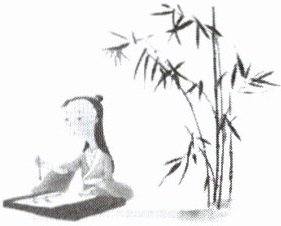
A poet who knew him very w 9 wrote, “When Wen Tong was painting bamboos, he had their images ready in his bosom(胸部).”
The idiom means we should have ready plans or designs in our mind before d 10 a certain job so that success will naturally come. And this idiom can also be used to mean being calm and cool - headed in dealing with things.
1.
6.
In the Song dynasty, there was a painter called Wen Tong. He was not only admired for his great learning, but also well k 1 for his bamboo paintings. Every day many people v 2 him to learn his painting skills. What was the s 3 of his paintings? Actually, Wen Tong loved bamboos so much that he g 4 different kinds of bamboos around his house. No matter what season it was and no matter whether it was sunny o 5 rainy, he often went to watch how they were growing. He thought over the length and width of the bamboo poles(竹竿) as well as the shapes and c 6 of the leaves. Whenever he had a new understanding, he drew w 7 was in his mind on the paper. Over a long period of time, different images of bamboos were deep in his mind. So every time he was painting bamboos, he seemed confident, and all the bamboos he painted were very l 8 and true to life.
A poet who knew him very w 9 wrote, “When Wen Tong was painting bamboos, he had their images ready in his bosom(胸部).”
The idiom means we should have ready plans or designs in our mind before d 10 a certain job so that success will naturally come. And this idiom can also be used to mean being calm and cool - headed in dealing with things.
1.
known
2. visited
3. secret
4. grew
5. or
6.
colours
7. what
8. lively
9. well
10. doing
答案
1. known 2. visited 3. secret 4. grew 5. or
6. colours 7. what 8. lively 9. well 10. doing
6. colours 7. what 8. lively 9. well 10. doing
解析
【分析】
首先通读全文,明确本文讲述的是成语“胸有成竹”的由来故事,解题时需要结合上下文语境、固定搭配提示、首字母线索,同时兼顾时态、词性的正确变形,逐个推导每个空缺的单词:
1. 第一空结合前后的并列结构“not only admired for... but also well k... for”,回忆固定搭配be well known for表示“因……而闻名”,直接得出对应单词;
2. 第二空语境是很多人来向他学习绘画技巧,结合首字母v,可知是“拜访”他,故事发生在宋代,用一般过去时;
3. 第三空后文解释了他画竹的诀窍,结合首字母s,可知是询问他画作的“秘诀”;
4. 第四空语境是他在房屋周边布置竹子,结合首字母g,可知是“种植”各类竹子,用过去式;
5. 第五空是固定结构whether...or...表示“无论……还是……”,对应晴天和雨天的并列;
6. 第六空和叶子的形状并列,结合常识叶片的特征,首字母c,可知是叶子的颜色,用复数形式;
7. 第七空是宾语从句的引导词,指代脑海里存在的事物,在从句中作主语,用what;
8. 第八空和后文“栩栩如生”并列,形容画作生动逼真,结合首字母l得出对应形容词;
9. 第九空是固定搭配know sb. very well表示“非常了解某人”;
10. 第十空前的before是介词,后面要接动名词形式,结合语境“做某项工作”得出对应单词。
【解析】
1. 固定搭配be well known for 意为“因……而闻名”,符合语境“他不仅学识受人敬仰,他的竹画也广为人知”,填known。
2. 故事发生在宋代,用一般过去时,visit sb. 表示拜访某人,此处指很多人前来拜访他学习画技,visit的过去式为visited。
3. 后文解释了他画竹的方法诀窍,secret意为“秘诀、秘密”,符合语境询问他画作的诀窍是什么,填secret。
4. 此处描述他在房屋周边种植各类竹子,故事为过去时态,grow(种植)的过去式为grew。
5. 固定搭配whether...or... 表示“无论……还是……”,此处指无论晴天还是雨天,填or。
6. 此处描述他观察竹子的细节,和叶片的形状并列,指叶片的颜色,用复数形式colours。
7. 此处为宾语从句,引导词在从句中作主语,指代脑海里的内容,用what。
8. lively意为“生动的、逼真的”,符合语境他画的竹子都十分生动、栩栩如生,填lively。
9. 固定搭配know sb. very well 意为“非常了解某人”,填well。
10. 介词before后面需要接动名词形式,do a certain job 表示“做某项工作”,do的动名词形式为doing。
【答案】
1. known 2. visited 3. secret 4. grew 5. or
6. colours 7. what 8. lively 9. well 10. doing
【知识点】
固定短语搭配,宾语从句,动词时态
【点评】
本题结合中国传统成语“胸有成竹”的典故命题,将文化常识和英语首字母填空考点结合,既考察学生的语篇整体理解能力,也考察了常用固定搭配、宾语从句引导词、动词时态变形、介词后接动名词等基础语法点,引导学生在解题的同时了解传统文化知识,整体难度适中。
【难度系数】
0.7
首先通读全文,明确本文讲述的是成语“胸有成竹”的由来故事,解题时需要结合上下文语境、固定搭配提示、首字母线索,同时兼顾时态、词性的正确变形,逐个推导每个空缺的单词:
1. 第一空结合前后的并列结构“not only admired for... but also well k... for”,回忆固定搭配be well known for表示“因……而闻名”,直接得出对应单词;
2. 第二空语境是很多人来向他学习绘画技巧,结合首字母v,可知是“拜访”他,故事发生在宋代,用一般过去时;
3. 第三空后文解释了他画竹的诀窍,结合首字母s,可知是询问他画作的“秘诀”;
4. 第四空语境是他在房屋周边布置竹子,结合首字母g,可知是“种植”各类竹子,用过去式;
5. 第五空是固定结构whether...or...表示“无论……还是……”,对应晴天和雨天的并列;
6. 第六空和叶子的形状并列,结合常识叶片的特征,首字母c,可知是叶子的颜色,用复数形式;
7. 第七空是宾语从句的引导词,指代脑海里存在的事物,在从句中作主语,用what;
8. 第八空和后文“栩栩如生”并列,形容画作生动逼真,结合首字母l得出对应形容词;
9. 第九空是固定搭配know sb. very well表示“非常了解某人”;
10. 第十空前的before是介词,后面要接动名词形式,结合语境“做某项工作”得出对应单词。
【解析】
1. 固定搭配be well known for 意为“因……而闻名”,符合语境“他不仅学识受人敬仰,他的竹画也广为人知”,填known。
2. 故事发生在宋代,用一般过去时,visit sb. 表示拜访某人,此处指很多人前来拜访他学习画技,visit的过去式为visited。
3. 后文解释了他画竹的方法诀窍,secret意为“秘诀、秘密”,符合语境询问他画作的诀窍是什么,填secret。
4. 此处描述他在房屋周边种植各类竹子,故事为过去时态,grow(种植)的过去式为grew。
5. 固定搭配whether...or... 表示“无论……还是……”,此处指无论晴天还是雨天,填or。
6. 此处描述他观察竹子的细节,和叶片的形状并列,指叶片的颜色,用复数形式colours。
7. 此处为宾语从句,引导词在从句中作主语,指代脑海里的内容,用what。
8. lively意为“生动的、逼真的”,符合语境他画的竹子都十分生动、栩栩如生,填lively。
9. 固定搭配know sb. very well 意为“非常了解某人”,填well。
10. 介词before后面需要接动名词形式,do a certain job 表示“做某项工作”,do的动名词形式为doing。
【答案】
1. known 2. visited 3. secret 4. grew 5. or
6. colours 7. what 8. lively 9. well 10. doing
【知识点】
固定短语搭配,宾语从句,动词时态
【点评】
本题结合中国传统成语“胸有成竹”的典故命题,将文化常识和英语首字母填空考点结合,既考察学生的语篇整体理解能力,也考察了常用固定搭配、宾语从句引导词、动词时态变形、介词后接动名词等基础语法点,引导学生在解题的同时了解传统文化知识,整体难度适中。
【难度系数】
0.7
