

 登录
Ⅱ. 根据句意,用before、after、as合并句子。
6. We went to the cinema last night. We had a quick dinner first.
7. The rain stopped. Then the children ran out to play in the yard.
8. We were waiting for the bus. At the same time, Tom told us interesting stories.
9. Tom's teacher pointed out his mistake. Then Tom realized his mistake.
10. The little girl walked home from school. At the same time, she sang happily.
6. We went to the cinema last night. We had a quick dinner first.
We had a quick dinner before we went to the cinema last night.
7. The rain stopped. Then the children ran out to play in the yard.
After the rain stopped, the children ran out to play in the yard.
8. We were waiting for the bus. At the same time, Tom told us interesting stories.
Tom told us interesting stories as we were waiting for the bus.
9. Tom's teacher pointed out his mistake. Then Tom realized his mistake.
Tom realized his mistake after his teacher pointed it out.
10. The little girl walked home from school. At the same time, she sang happily.
The little girl sang happily as she walked home from school.
答案
6. We had a quick dinner before we went to the cinema last night. 7. After the rain stopped, the children ran out to play in the yard. 8. Tom told us interesting stories as we were waiting for the bus. 9. Tom realized his mistake after his teacher pointed it out. 10. The little girl sang happily as she walked home from school.
Ⅲ. 补全对话。
(Now Wei Le and Li Jian are talking about famous people.)
Wei Le: Hi, Li Jian, who is your hero?
Li Jian: Guess. He is Chinese, and he made important contributions to our country.
Wei Le: 11.
Li Jian: He is a scientist. I'm fond of physics and maths, and I want to be a man like him.
Wei Le: 12.
It must be Qian Xuesen!
Li Jian: Yes, you're right. 13.
Wei Le: My hero is Hai Ya. He is a Chinese writer. He was just 33 years old when he won the Hugo Award (雨果奖).
Li Jian: 14.
Wei Le: His masterpiece (代表作) is The
Space-Time Painter. He combines traditional Chinese culture with sci-fi creation in his work. Besides being a writer, he works in the finance field in his daily life.
Li Jian: 15.
Wei Le: I think so. He is really great. We've learned a lot from famous people.
(Now Wei Le and Li Jian are talking about famous people.)
Wei Le: Hi, Li Jian, who is your hero?
Li Jian: Guess. He is Chinese, and he made important contributions to our country.
Wei Le: 11.
What does he do?
Li Jian: He is a scientist. I'm fond of physics and maths, and I want to be a man like him.
Wei Le: 12.
Let me guess.
It must be Qian Xuesen!
Li Jian: Yes, you're right. 13.
Who is your hero?
Wei Le: My hero is Hai Ya. He is a Chinese writer. He was just 33 years old when he won the Hugo Award (雨果奖).
Li Jian: 14.
What is his masterpiece?
Wei Le: His masterpiece (代表作) is The
Space-Time Painter. He combines traditional Chinese culture with sci-fi creation in his work. Besides being a writer, he works in the finance field in his daily life.
Li Jian: 15.
That’s amazing!
Wei Le: I think so. He is really great. We've learned a lot from famous people.
答案
11. What does he do? 12. Let me guess. 13. Who is your hero? 14. What is his masterpiece? 15. That’s amazing! ( 合理即可 )
Ⅳ. 阅读理解。
Helen Adams Keller was an American writer, activist, and lecturer. She was the first American deafblind person to graduate from college. From an early age, she decided to communicate with the world, despite her communication difficulties. She became a productive writer, anti-war campaigner(倡导者)and spokeswoman for women’s and workers’ rights. She is also an inspiration to millions.
Helen Keller was born in Alabama in 1880. When she was nineteen months old, she got an illness that left her deaf and blind. She developed a friendship with the daughter of her family’s cook, who created a sign language with her. By the age of seven, Helen was using over 60 signs with her family. She knew she could communicate.
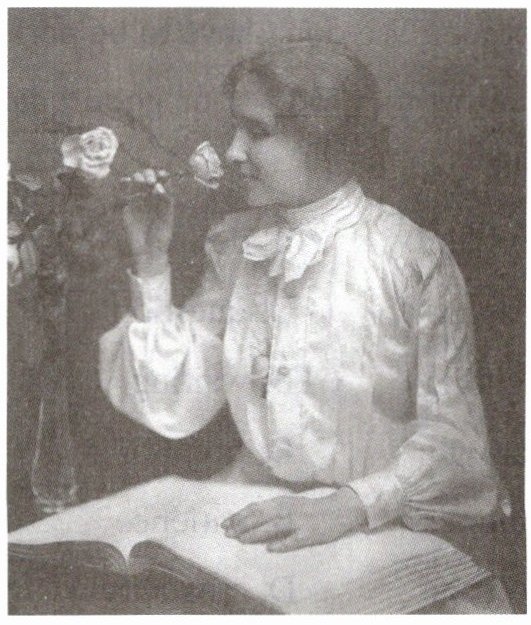
In 1886, her mother read Charles Dickens’ book American Notes about the successful education of a deafblind child. She decided to seek help for Helen and was put in touch with 20-year-old teacher Anne Sullivan. She became Helen’s teacher and friend for the next 49 years. Helen learned Braille(盲文)and used it to learn French, German, and Greek.
Keller had great ambitions and went on to become a world-famous speaker and writer. She campaigned for people with disabilities, among many other causes. She travelled to 39 countries and was friends with US presidents and famous people, including Charlie Chaplin and Mark Twain. Keller also wrote twelve books and many articles on social problems. Keller died in her sleep in 1968, aged 87.
16. Who is Helen Keller?
A. An inspiring person.
B. A poor communicator.
C. An American writer and dancer.
D. The first American deaf and blind woman.
17. What happened to Helen Keller when she was nineteen months old?
A. She lost her parents.
B. She started to learn words.
C. She met her teacher, Anne.
D. She became blind and deaf.
18. Who created a sign language?
A. Helen Keller.
B. Keller’s mother.
C. Anne Sullivan.
D. The daughter of the cook.
19. What did Helen’s mother do for her?
A. Found her a teacher.
B. Became a friend of hers.
C. Helped her learn languages.
D. Read Dickens’ book for her.
20. Which of the following best describes Helen’s life achievements?
A. She worked for disabled people’s rights.
B. She spent most of her life learning Braille.
C. She focused on writing books about her own life experience.
D. She stayed in America to promote women’s and workers’ rights.
Helen Adams Keller was an American writer, activist, and lecturer. She was the first American deafblind person to graduate from college. From an early age, she decided to communicate with the world, despite her communication difficulties. She became a productive writer, anti-war campaigner(倡导者)and spokeswoman for women’s and workers’ rights. She is also an inspiration to millions.
Helen Keller was born in Alabama in 1880. When she was nineteen months old, she got an illness that left her deaf and blind. She developed a friendship with the daughter of her family’s cook, who created a sign language with her. By the age of seven, Helen was using over 60 signs with her family. She knew she could communicate.
In 1886, her mother read Charles Dickens’ book American Notes about the successful education of a deafblind child. She decided to seek help for Helen and was put in touch with 20-year-old teacher Anne Sullivan. She became Helen’s teacher and friend for the next 49 years. Helen learned Braille(盲文)and used it to learn French, German, and Greek.
Keller had great ambitions and went on to become a world-famous speaker and writer. She campaigned for people with disabilities, among many other causes. She travelled to 39 countries and was friends with US presidents and famous people, including Charlie Chaplin and Mark Twain. Keller also wrote twelve books and many articles on social problems. Keller died in her sleep in 1968, aged 87.
16. Who is Helen Keller?
A. An inspiring person.
B. A poor communicator.
C. An American writer and dancer.
D. The first American deaf and blind woman.
17. What happened to Helen Keller when she was nineteen months old?
A. She lost her parents.
B. She started to learn words.
C. She met her teacher, Anne.
D. She became blind and deaf.
18. Who created a sign language?
A. Helen Keller.
B. Keller’s mother.
C. Anne Sullivan.
D. The daughter of the cook.
19. What did Helen’s mother do for her?
A. Found her a teacher.
B. Became a friend of hers.
C. Helped her learn languages.
D. Read Dickens’ book for her.
20. Which of the following best describes Helen’s life achievements?
A. She worked for disabled people’s rights.
B. She spent most of her life learning Braille.
C. She focused on writing books about her own life experience.
D. She stayed in America to promote women’s and workers’ rights.
答案
16. A 17. D 18. D 19. A 20. A
