

 登录
登录
五、阅读短文,回答问题
In November, 2024, an emperor penguin(帝企鹅) showed up in Australia. This was a big surprise! Emperor penguins are not usually found in warm Australia. They live in icy Antarctica, about 2 100 miles away.
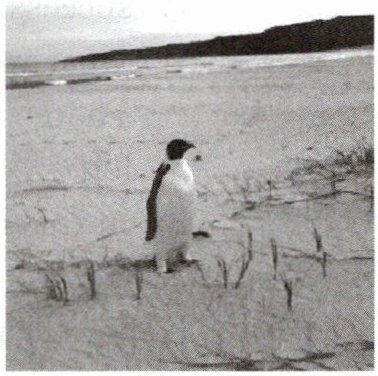
The young penguin was found on a beach. It was in the town of Denmark. That is in Western Australia. It is probably(很可能) the first time an emperor penguin has travelled so far north.
Penguins are seabirds. They do not fly. They swim. Emperor penguins are the largest type of penguins in the world. They can grow over 4 feet tall. That is taller than most 6-year-old children. An emperor penguin can also weigh 45 kg. That is more than most large dogs.
Aaron Fowler was one of the first people to see the penguin. He said the penguin was not shy. It tried to move on its stomach on the beach, thinking it was snow. But it just fell in the sand! It stood up and shook(抖动) itself off.
But how did the penguin end up in Australia? Belinda Cannell, a penguin scientist, said the bird might follow an ocean current(洋流). That is like a river in the sea. Ocean currents carry food to sea life. Penguins follow the current to look for food. The penguin may have followed a current that went farther north than usual.
Still, most penguins usually stay closer to home. A warm beach is a big change from sea ice! And we should pay attention to the unusual events. The animals may be at risk.
前4题每题的答案不超过10个词,第5题的答案词数不限。
1. Where was the young penguin found?
2. What does Paragraph 3 mainly talk about?
3. What did the penguin mistake(误认为) the sand for according to(根据) Aaron Fowler's words?
4. Why did the penguin come to Australia?
5. Why does the writer write the passage?
In November, 2024, an emperor penguin(帝企鹅) showed up in Australia. This was a big surprise! Emperor penguins are not usually found in warm Australia. They live in icy Antarctica, about 2 100 miles away.
The young penguin was found on a beach. It was in the town of Denmark. That is in Western Australia. It is probably(很可能) the first time an emperor penguin has travelled so far north.
Penguins are seabirds. They do not fly. They swim. Emperor penguins are the largest type of penguins in the world. They can grow over 4 feet tall. That is taller than most 6-year-old children. An emperor penguin can also weigh 45 kg. That is more than most large dogs.
Aaron Fowler was one of the first people to see the penguin. He said the penguin was not shy. It tried to move on its stomach on the beach, thinking it was snow. But it just fell in the sand! It stood up and shook(抖动) itself off.
But how did the penguin end up in Australia? Belinda Cannell, a penguin scientist, said the bird might follow an ocean current(洋流). That is like a river in the sea. Ocean currents carry food to sea life. Penguins follow the current to look for food. The penguin may have followed a current that went farther north than usual.
Still, most penguins usually stay closer to home. A warm beach is a big change from sea ice! And we should pay attention to the unusual events. The animals may be at risk.
前4题每题的答案不超过10个词,第5题的答案词数不限。
1. Where was the young penguin found?
On a beach in the town of Denmark, Western Australia.
2. What does Paragraph 3 mainly talk about?
How big the emperor penguins are./What the emperor penguins are like./Emperor penguins' size.
3. What did the penguin mistake(误认为) the sand for according to(根据) Aaron Fowler's words?
Snow.
4. Why did the penguin come to Australia?
To look for food.
5. Why does the writer write the passage?
To ask people to pay attention to the unusual events.
答案
1. On a beach in the town of Denmark, Western Australia.
2. How big the emperor penguins are./What the emperor penguins are like./Emperor penguins' size.
3. Snow.
4. To look for food.
5. To ask people to pay attention to the unusual events.
2. How big the emperor penguins are./What the emperor penguins are like./Emperor penguins' size.
3. Snow.
4. To look for food.
5. To ask people to pay attention to the unusual events.
解析
【分析】
本题为英语阅读理解题,需根据短文内容解答5个问题,前4题多为细节理解题,需定位原文关键信息;第5题为主旨大意题,需结合全文内容分析作者写作目的。解题时先通读短文,再针对每个问题定位原文对应段落,提取关键信息作答,注意答案符合词数要求。
【解析】
1. 细节理解题:根据短文第二段“The young penguin was found on a beach. It was in the town of Denmark. That is in Western Australia.”,可定位到企鹅被发现的地点,得出答案。
2. 主旨大意题:第三段介绍了企鹅的类别、活动方式,重点描述了帝企鹅的身高、体重等特征,核心围绕帝企鹅的体型/特点展开,对应答案。
3. 细节理解题:根据第四段“He said the penguin was not shy. It tried to move on its stomach on the beach, thinking it was snow.”,可知企鹅把沙子误认为雪。
4. 细节理解题:根据第五段“Penguins follow the current to look for food. The penguin may have followed a current that went farther north than usual.”,可知企鹅来到澳大利亚的原因是寻找食物。
5. 主旨大意题:根据最后一段“And we should pay attention to the unusual events. The animals may be at risk.”,可分析出作者的写作目的是呼吁人们关注异常事件。
【答案】
1. On a beach in the town of Denmark, Western Australia.
2. How big the emperor penguins are./What the emperor penguins are like./Emperor penguins' size.
3. Snow.
4. To look for food.
5. To ask people to pay attention to the unusual events.
【知识点】
英语阅读理解、细节理解、主旨大意
【点评】
本题为英语阅读理解基础题,主要考查学生从短文中提取细节信息和概括主旨的能力,题目设置贴合原文,难度适中,适合练习基础阅读技能。
【难度系数】
0.6
本题为英语阅读理解题,需根据短文内容解答5个问题,前4题多为细节理解题,需定位原文关键信息;第5题为主旨大意题,需结合全文内容分析作者写作目的。解题时先通读短文,再针对每个问题定位原文对应段落,提取关键信息作答,注意答案符合词数要求。
【解析】
1. 细节理解题:根据短文第二段“The young penguin was found on a beach. It was in the town of Denmark. That is in Western Australia.”,可定位到企鹅被发现的地点,得出答案。
2. 主旨大意题:第三段介绍了企鹅的类别、活动方式,重点描述了帝企鹅的身高、体重等特征,核心围绕帝企鹅的体型/特点展开,对应答案。
3. 细节理解题:根据第四段“He said the penguin was not shy. It tried to move on its stomach on the beach, thinking it was snow.”,可知企鹅把沙子误认为雪。
4. 细节理解题:根据第五段“Penguins follow the current to look for food. The penguin may have followed a current that went farther north than usual.”,可知企鹅来到澳大利亚的原因是寻找食物。
5. 主旨大意题:根据最后一段“And we should pay attention to the unusual events. The animals may be at risk.”,可分析出作者的写作目的是呼吁人们关注异常事件。
【答案】
1. On a beach in the town of Denmark, Western Australia.
2. How big the emperor penguins are./What the emperor penguins are like./Emperor penguins' size.
3. Snow.
4. To look for food.
5. To ask people to pay attention to the unusual events.
【知识点】
英语阅读理解、细节理解、主旨大意
【点评】
本题为英语阅读理解基础题,主要考查学生从短文中提取细节信息和概括主旨的能力,题目设置贴合原文,难度适中,适合练习基础阅读技能。
【难度系数】
0.6
