

 登录
登录
一 老师在黑板上贴了几幅周末活动的图片。
根据图片和首字母提示补全句子。
 (第1题图)
  (第2题图)
  (第3题图)
 (第4题图)
 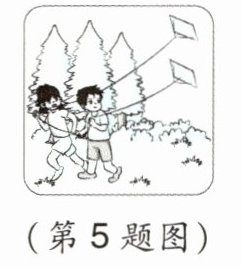 (第5题图)
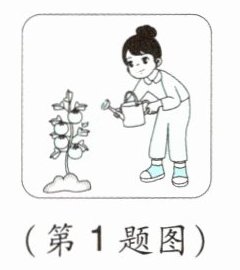
1. She waters the p
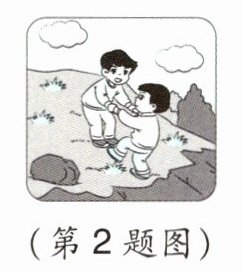
2. The boys are going c
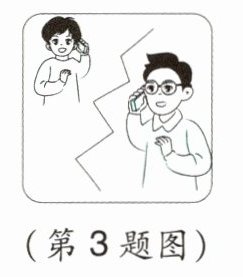
3. They c
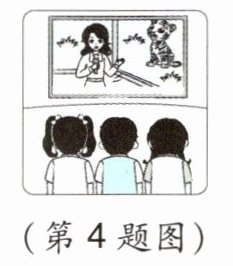
4. She goes to the c
5. They fly k
根据图片和首字母提示补全句子。
(第1题图) (第2题图) (第3题图)(第4题图) (第5题图)1. She waters the p
plants
every morning.2. The boys are going c
climbing
.3. They c
chat
with each other on the phone.4. She goes to the c
cinema
with her friends.5. They fly k
kites
in the park.答案
1. plants 2. climbing 3. chat
4. cinema 5. kites
4. cinema 5. kites
二 众众和同桌互相纠正周末日记里的用词。
写出正确的词语补全他们的讨论。
1. We all have
2. What
3. Helen plays the piano
4. Liu Tao plays football
5. You
写出正确的词语补全他们的讨论。
1. We all have
fun
( fun/funny ) at weekends.2. What
else
( else/other ) do you do at weekends?3. Helen plays the piano
at
( at/in ) weekends.4. Liu Tao plays football
with
( and/with ) Mike.5. You
should
( should/should never ) play outside every day. It's good for you.答案
1. fun 2. else 3. at 4. with 5. should
三 小组交流中,大家聊起了各自的周末习惯。
选择正确的选项补全句子或对话。
(
A.visits
B.tells
C.goes
选择正确的选项补全句子或对话。
(
A
)1. Yang Ling usually her grandparents at weekends.A.visits
B.tells
C.goes
答案
1. A 【解析】此处表示“看望祖父母”,要用 visits。tell 意为“告诉”,go 意为“去”,不符合语境,所以选 A。
(
A.spend
B.play
C.live
A
)2. You should your weekends with your family.A.spend
B.play
C.live
答案
2. A 【解析】spend 意为“度过”,符合和家人一起度过周末的建议。play 意为“玩”,live 意为“居住”,不能和 weekends 搭配,所以选 A。
(
A.always
B.sometimes
C.usually
A
)3. Helen plays the piano at weekends. She never misses (错过) it.A.always
B.sometimes
C.usually
答案
3. A 【解析】“She never misses it.”表明她从不错过弹钢琴,说明频率是“总是”,应用 always,所以选 A。
(
—She reads books.
A.do
B.is
C.does
C
)4. —What Helen do at weekends?—She reads books.
A.do
B.is
C.does
答案
4. C 【解析】Helen 是第三人称单数,疑问句应借助助动词 does 来构成疑问,is 不能和 do 搭配。所以选 C。
(
—
A.Thank you.
B.It's great to play outside.
C.I'm sorry.
B
)5. —I often play football with Liu Tao.—
A.Thank you.
B.It's great to play outside.
C.I'm sorry.
答案
5. B 【解析】上句说“我经常和刘涛踢足球”,回应需要给出积极评价。“It’s great to play outside.”表示“在外面玩很棒。”符合语境。A 表示感谢,C 表示道歉,均不符合语境,所以选 B。
四 望望对身边人的周末很好奇,问了一些问题。仿照示例,根据提示写对话。
例:A: What do you often do at weekends?
B: I often dance.
1. A:
B:
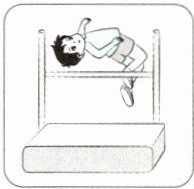
(you, usually)
2. A:
B:
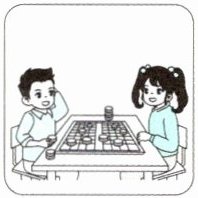
(Peter, always)
例:A: What do you often do at weekends?
B: I often dance.
1. A:
What do you usually do at weekends?
B:
I usually do the high jump.
(you, usually)
2. A:
What does Peter always do at weekends?
B:
He always plays Chinese chess.
(Peter, always)
答案
1. A: What do you usually do at weekends?
B: I usually do the high jump.
2. A: What does Peter always do at weekends?
B: He always plays Chinese chess.
B: I usually do the high jump.
2. A: What does Peter always do at weekends?
B: He always plays Chinese chess.
