

 登录
登录
B
Tom had a book in his hand and tears in his eyes. “What worries you, Tom?” asked Mrs White.
“Our teacher asked us to recite the poem Little Jim. I don’t think I can do it well,” said Tom.
“Why not?” asked Mrs White.
“The boys said that I can’t,” said Tom in a sad voice.
“Don’t mind what they said. Let them see that you can do it,” said Mrs White.
“I don’t think I can,” said Tom. “The poem is so long and difficult for me. But I want to try my best to recite it.”
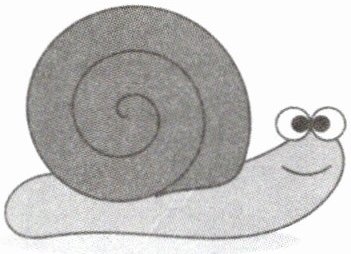
“Well, dear son,” said Mrs White, “look at that snail on the wall. How slow it is! Watch it. You will see it get to the top at last. So just try a few lines each day, and you may recite it in the end.”
Tom thought he could catch up with the boys, and he might run a race with the snail. So he planned to try it.
At last, the day came. The teacher called up the boys to recite the poem. After six boys recited it, it was Tom’s turn. Most boys thought Tom could fail. But to their surprise, Tom did not miss a word. His heart was full of joy when the teacher said, “Well done, Tom!” After the rest of the class tried, the teacher said Tom did best.
“And now tell us how you could recite the poem so well,” said the teacher.
“A snail on the wall taught me how to do it,” said Tom.
There was a loud laugh when Tom said this. But the teacher said, “Don’t laugh! We can learn a lot from things such as snails. How did the snail teach you, Tom?”
“I saw it climb up the wall bit by bit. It didn’t stop. At last, it climbed to the top. And I thought I could do the same. So I recited it bit by bit, and did not give up,” said Tom.
“Well done, Tom!” said the teacher. “Now boys, let us give a good cheer to Tom and the snail on the wall.” The classroom rang with a great cheer.
词汇
recite /rɪˈsaɪt/ v. 背诵
poem /ˈpəʊɪm/ n. 诗
in a sad voice 用悲伤的声音
snail /sneɪl/ n. 蜗牛
catch up with 追上
run a race 跑一场比赛
fail /feɪl/ v. 失败
bit by bit 一点点地
句型
The classroom rang with a great cheer. 教室里响起了热烈的欢呼声。
ring with 回荡着
⇒ The cinema rang with the children’s laughter.
理解
1. What can we learn from snails?
2. Have you ever learned from snails? Share your story with us.
课外泛读
Foolish monkeys
Long long ago, there was a very large and dark forest. A group of monkeys arrived at the forest. It was winter season, and the monkeys tried hard to survive(存活) the cold nights. They were hunting for fire to get warm.
One night, they saw a firefly(萤火虫) and thought it was fire. All the monkeys in the group shouted, “Fire! Fire! Fire! Yeah, we got fire!”
Some monkeys tried to catch the firefly but it escaped(逃走). They were sad as they could not catch the fire. They were talking to themselves that they couldn’t live in the cold if they didn’t get the fire.
The next night, again they saw many fireflies. After some attempts(尝试), the monkeys caught a few fireflies. They put the fireflies in a hole and tried to blow the fireflies.
They blew the fireflies very hard without knowing the fact that they were fireflies!
An owl was watching the monkeys. The owl reached the monkeys and told them, “Hey, those are not fire! They are fireflies. You won’t be able to make fire from them!”
The monkeys laughed at the owl. One monkey said, “Hey, old owl, you don’t know anything about how to make fire. Don’t disturb(打扰) us!”
The owl warned(警告) the monkeys again and asked them to stop their foolish act. “Monkeys, you cannot make fire from the fireflies! Please hear my words.”
The monkeys still tried to make fire from the fireflies.
The owl told them again to stop their foolish act. One monkey shouted at the owl and the owl left.
The monkeys were simply doing the foolish act for several(几个) hours and it was almost midnight. They were very tired and realized that the owl was correct and that they were trying to blow a firefly.
Finally, they went to a cave nearby and escaped from the cold.
理解
1. How many times did the owl warn the monkeys?
2. What can you learn from the story?
Tom had a book in his hand and tears in his eyes. “What worries you, Tom?” asked Mrs White.
“Our teacher asked us to recite the poem Little Jim. I don’t think I can do it well,” said Tom.
“Why not?” asked Mrs White.
“The boys said that I can’t,” said Tom in a sad voice.
“Don’t mind what they said. Let them see that you can do it,” said Mrs White.
“I don’t think I can,” said Tom. “The poem is so long and difficult for me. But I want to try my best to recite it.”
“Well, dear son,” said Mrs White, “look at that snail on the wall. How slow it is! Watch it. You will see it get to the top at last. So just try a few lines each day, and you may recite it in the end.”
Tom thought he could catch up with the boys, and he might run a race with the snail. So he planned to try it.
At last, the day came. The teacher called up the boys to recite the poem. After six boys recited it, it was Tom’s turn. Most boys thought Tom could fail. But to their surprise, Tom did not miss a word. His heart was full of joy when the teacher said, “Well done, Tom!” After the rest of the class tried, the teacher said Tom did best.
“And now tell us how you could recite the poem so well,” said the teacher.
“A snail on the wall taught me how to do it,” said Tom.
There was a loud laugh when Tom said this. But the teacher said, “Don’t laugh! We can learn a lot from things such as snails. How did the snail teach you, Tom?”
“I saw it climb up the wall bit by bit. It didn’t stop. At last, it climbed to the top. And I thought I could do the same. So I recited it bit by bit, and did not give up,” said Tom.
“Well done, Tom!” said the teacher. “Now boys, let us give a good cheer to Tom and the snail on the wall.” The classroom rang with a great cheer.
词汇
recite /rɪˈsaɪt/ v. 背诵
poem /ˈpəʊɪm/ n. 诗
in a sad voice 用悲伤的声音
snail /sneɪl/ n. 蜗牛
catch up with 追上
run a race 跑一场比赛
fail /feɪl/ v. 失败
bit by bit 一点点地
句型
The classroom rang with a great cheer. 教室里响起了热烈的欢呼声。
ring with 回荡着
⇒ The cinema rang with the children’s laughter.
理解
1. What can we learn from snails?
Don't stop. Learn bit by bit.
2. Have you ever learned from snails? Share your story with us.
At the age of seven, I began to learn to ride a bike, but I fell from the bike again and again. My mum encouraged me and asked me not to stop trying. I learned bit by bit and finally I could ride a bike.
课外泛读
Foolish monkeys
Long long ago, there was a very large and dark forest. A group of monkeys arrived at the forest. It was winter season, and the monkeys tried hard to survive(存活) the cold nights. They were hunting for fire to get warm.
One night, they saw a firefly(萤火虫) and thought it was fire. All the monkeys in the group shouted, “Fire! Fire! Fire! Yeah, we got fire!”
Some monkeys tried to catch the firefly but it escaped(逃走). They were sad as they could not catch the fire. They were talking to themselves that they couldn’t live in the cold if they didn’t get the fire.
The next night, again they saw many fireflies. After some attempts(尝试), the monkeys caught a few fireflies. They put the fireflies in a hole and tried to blow the fireflies.
They blew the fireflies very hard without knowing the fact that they were fireflies!
An owl was watching the monkeys. The owl reached the monkeys and told them, “Hey, those are not fire! They are fireflies. You won’t be able to make fire from them!”
The monkeys laughed at the owl. One monkey said, “Hey, old owl, you don’t know anything about how to make fire. Don’t disturb(打扰) us!”
The owl warned(警告) the monkeys again and asked them to stop their foolish act. “Monkeys, you cannot make fire from the fireflies! Please hear my words.”
The monkeys still tried to make fire from the fireflies.
The owl told them again to stop their foolish act. One monkey shouted at the owl and the owl left.
The monkeys were simply doing the foolish act for several(几个) hours and it was almost midnight. They were very tired and realized that the owl was correct and that they were trying to blow a firefly.
Finally, they went to a cave nearby and escaped from the cold.
理解
1. How many times did the owl warn the monkeys?
Three times.
2. What can you learn from the story?
We may go wrong many times and should listen to the advice from others.
答案
1. Don't stop. Learn bit by bit.
2. At the age of seven, I began to learn to ride a bike, but I fell from the bike again and again. My mum encouraged me and asked me not to stop trying. I learned bit by bit and finally I could ride a bike.
1. Three times.
2. We may go wrong many times and should listen to the advice from others.
2. At the age of seven, I began to learn to ride a bike, but I fell from the bike again and again. My mum encouraged me and asked me not to stop trying. I learned bit by bit and finally I could ride a bike.
1. Three times.
2. We may go wrong many times and should listen to the advice from others.
解析
【分析】
本题包含两篇英语阅读理解,第一篇讲述Tom因背诵诗歌遇困,从蜗牛一点点爬墙不放弃的行为中获得启发,最终成功背诗的故事;第二篇讲述一群猴子误将萤火虫当作火,不听猫头鹰劝告试图吹萤火虫生火,最后才找到洞穴御寒的故事。解题时,第一组问题需从第一篇提取蜗牛行为体现的道理,开放性问题结合自身经历作答;第二组问题需从第二篇数出猫头鹰的警告次数,提炼故事主旨。
【解析】
第一篇(蜗牛相关)
1. 从原文Tom的描述“I saw it climb up the wall bit by bit. It didn’t stop. At last, it climbed to the top.”可知,蜗牛的行为体现了“一点点努力、不放弃”的道理,因此答案为Don't stop. Learn bit by bit.
2. 本题为开放性问题,需结合自身经历,例如学习技能时遇困,通过坚持、一点点练习最终成功的经历,如学骑车的例子,答案为At the age of seven, I began to learn to ride a bike, but I fell from the bike again and again. My mum encouraged me and asked me not to stop trying. I learned bit by bit and finally I could ride a bike.
第二篇(猴子相关)
1. 从原文中猫头鹰的三次劝告:①“Hey, those are not fire! They are fireflies. You won’t be able to make fire from them!”;②“Monkeys, you cannot make fire from the fireflies! Please hear my words.”;③“The owl told them again to stop their foolish act.”,可知猫头鹰共警告三次,答案为Three times.
2. 从猴子不听劝告、坚持做蠢事,最后才意识到错误的经历,可提炼出“要听取他人建议,不要固执己见”的道理,答案为We may go wrong many times and should listen to the advice from others.
【答案】
1. Don't stop. Learn bit by bit.
2. At the age of seven, I began to learn to ride a bike, but I fell from the bike again and again. My mum encouraged me and asked me not to stop trying. I learned bit by bit and finally I could ride a bike.
1. Three times.
2. We may go wrong many times and should listen to the advice from others.
【知识点】
英语阅读理解、细节理解、主旨大意
【点评】
本题通过两篇生动的英语小故事,考查学生对文章细节的提取能力和主旨的理解能力,同时设置开放性问题考查学生的语言表达能力,贴近学生生活,易于理解。
【难度系数】
0.5
本题包含两篇英语阅读理解,第一篇讲述Tom因背诵诗歌遇困,从蜗牛一点点爬墙不放弃的行为中获得启发,最终成功背诗的故事;第二篇讲述一群猴子误将萤火虫当作火,不听猫头鹰劝告试图吹萤火虫生火,最后才找到洞穴御寒的故事。解题时,第一组问题需从第一篇提取蜗牛行为体现的道理,开放性问题结合自身经历作答;第二组问题需从第二篇数出猫头鹰的警告次数,提炼故事主旨。
【解析】
第一篇(蜗牛相关)
1. 从原文Tom的描述“I saw it climb up the wall bit by bit. It didn’t stop. At last, it climbed to the top.”可知,蜗牛的行为体现了“一点点努力、不放弃”的道理,因此答案为Don't stop. Learn bit by bit.
2. 本题为开放性问题,需结合自身经历,例如学习技能时遇困,通过坚持、一点点练习最终成功的经历,如学骑车的例子,答案为At the age of seven, I began to learn to ride a bike, but I fell from the bike again and again. My mum encouraged me and asked me not to stop trying. I learned bit by bit and finally I could ride a bike.
第二篇(猴子相关)
1. 从原文中猫头鹰的三次劝告:①“Hey, those are not fire! They are fireflies. You won’t be able to make fire from them!”;②“Monkeys, you cannot make fire from the fireflies! Please hear my words.”;③“The owl told them again to stop their foolish act.”,可知猫头鹰共警告三次,答案为Three times.
2. 从猴子不听劝告、坚持做蠢事,最后才意识到错误的经历,可提炼出“要听取他人建议,不要固执己见”的道理,答案为We may go wrong many times and should listen to the advice from others.
【答案】
1. Don't stop. Learn bit by bit.
2. At the age of seven, I began to learn to ride a bike, but I fell from the bike again and again. My mum encouraged me and asked me not to stop trying. I learned bit by bit and finally I could ride a bike.
1. Three times.
2. We may go wrong many times and should listen to the advice from others.
【知识点】
英语阅读理解、细节理解、主旨大意
【点评】
本题通过两篇生动的英语小故事,考查学生对文章细节的提取能力和主旨的理解能力,同时设置开放性问题考查学生的语言表达能力,贴近学生生活,易于理解。
【难度系数】
0.5
