

 登录
登录
二、同学们,你们知道袋鼠生活在什么地方吗?它们有着什么样的特点和生活习性呢?请阅读下面的短文,并完成短文后面的题目。
Kangaroos
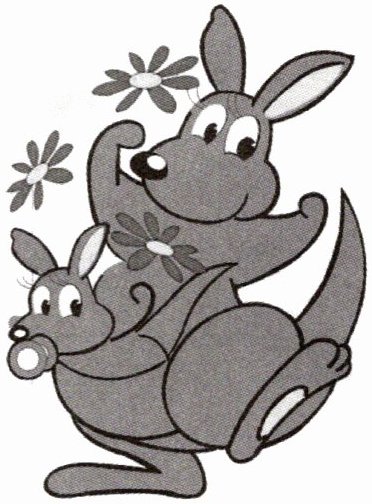
Let’s talk about kangaroos in Australia. They are not only in zoos. You can see them everywhere outside the cities and towns. Kangaroos have very strong legs, so they are very good at jumping. Their tails are very strong, too. So when they want to have a rest, they rest on their tails. Kangaroos are also very good at looking after their babies. Mother kangaroos keep their babies safe in their pockets.
1. You can see kangaroos in Australia.
2. They have legs.
3. They rest on their .
4. Mother kangaroos keep in their pockets.
Kangaroos
Let’s talk about kangaroos in Australia. They are not only in zoos. You can see them everywhere outside the cities and towns. Kangaroos have very strong legs, so they are very good at jumping. Their tails are very strong, too. So when they want to have a rest, they rest on their tails. Kangaroos are also very good at looking after their babies. Mother kangaroos keep their babies safe in their pockets.
1. You can see kangaroos in Australia.
2. They have legs.
3. They rest on their .
4. Mother kangaroos keep in their pockets.
答案
1. everywhere outside the cities and towns
2. very strong
3. tails
4. their babies safe
2. very strong
3. tails
4. their babies safe
解析
这是阅读理解填空题,我们可以直接从短文中定位到每道题对应的答案信息:
1. 定位原文句子"You can see them everywhere outside the cities and towns."可找到对应内容;
2. 定位原文句子"Kangaroos have very strong legs, so they are very good at jumping."可找到对应内容;
3. 定位原文句子"So when they want to have a rest, they rest on their tails."可找到对应内容;
4. 定位原文句子"Mother kangaroos keep their babies safe in their pockets."可找到对应内容。
1. 定位原文句子"You can see them everywhere outside the cities and towns."可找到对应内容;
2. 定位原文句子"Kangaroos have very strong legs, so they are very good at jumping."可找到对应内容;
3. 定位原文句子"So when they want to have a rest, they rest on their tails."可找到对应内容;
4. 定位原文句子"Mother kangaroos keep their babies safe in their pockets."可找到对应内容。
三、同学们,请在下面的表格中用英语记录下你上周所去过的地方,并和父母或小伙伴们用英语来交流一下吧!
Where did you go last week?

Where did you go last week? 你上周去了哪里?
I went to the library last Sunday. 我上个星期天去了图书馆。
I went to the Yuelu Mountain on Monday. 我星期一去了岳麓山。
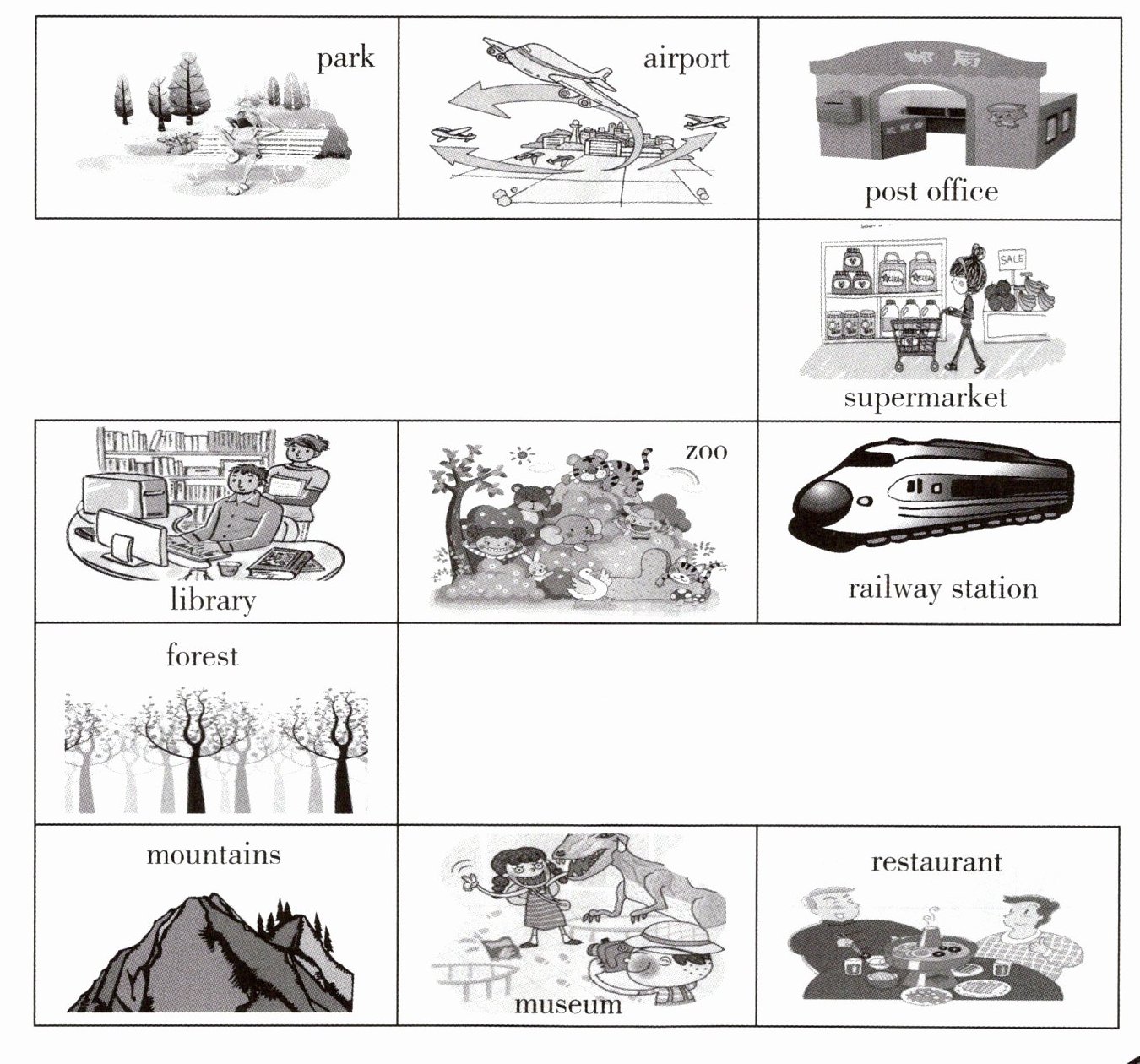
同学们,你们一定学过很多关于地点的英语单词,你可以邀请你的小伙伴们一起来玩下面的单词闯关游戏,看看谁能说出更多的单词。你们知道这些单词的中文意思吗?大家在暑假中经常去的地方有哪些呢?
 START
START
EXIT
年 月 日
Where did you go last week?
Where did you go last week? 你上周去了哪里?
I went to the library last Sunday. 我上个星期天去了图书馆。
I went to the Yuelu Mountain on Monday. 我星期一去了岳麓山。
同学们,你们一定学过很多关于地点的英语单词,你可以邀请你的小伙伴们一起来玩下面的单词闯关游戏,看看谁能说出更多的单词。你们知道这些单词的中文意思吗?大家在暑假中经常去的地方有哪些呢?
STARTEXIT
年 月 日
答案
1. 表格填写参考示例:
| Day | Sun. | Mon. | Tue. | Wed. | Thur. | Fri. | Sat. |
|-------|---------|-------|--------------|------|------------|------------|--------|
| Place | library | park | supermarket | zoo | restaurant | post office| museum|
2. 交流表达参考示例:
I went to the library last Sunday.
I went to the park on Monday.
I went to the supermarket on Tuesday.
I went to the zoo on Wednesday.
I went to the restaurant on Thursday.
I went to the post office on Friday.
I went to the museum last Saturday.
3. 闯关单词对应中文意思:
park 公园;airport 机场;post office 邮局;supermarket 超市;library 图书馆;zoo 动物园;railway station 火车站;forest 森林;mountains 群山;museum 博物馆;restaurant 餐馆
| Day | Sun. | Mon. | Tue. | Wed. | Thur. | Fri. | Sat. |
|-------|---------|-------|--------------|------|------------|------------|--------|
| Place | library | park | supermarket | zoo | restaurant | post office| museum|
2. 交流表达参考示例:
I went to the library last Sunday.
I went to the park on Monday.
I went to the supermarket on Tuesday.
I went to the zoo on Wednesday.
I went to the restaurant on Thursday.
I went to the post office on Friday.
I went to the museum last Saturday.
3. 闯关单词对应中文意思:
park 公园;airport 机场;post office 邮局;supermarket 超市;library 图书馆;zoo 动物园;railway station 火车站;forest 森林;mountains 群山;museum 博物馆;restaurant 餐馆
解析
本题是五年级英语的实践应用型习题,考查地点类英文词汇积累和一般过去时的基础运用。填写表格时结合自身上周的出行经历,在对应星期的空格中填入对应的地点英文名称即可;和他人交流时使用"I went to + 地点 + 对应星期"的一般过去时句型来表述,符合语法规则。附带的单词闯关部分先掌握给出的所有地点单词的中文含义,还可以拓展说出更多同类地点词汇。
