

 登录
登录
四、根据汉语提示完成句子。
1. 我用手机上的地图来找路。
I used the map on my phone
2. 我专心致志地处理这个问题。
I lost myself in
3. 对我们来说,沿着小山向上走是很困难的。
It's difficult for us
4. 这个村庄里有许多种花。
There are many
5. 上周末我们去度假骑马。
We
1. 我用手机上的地图来找路。
I used the map on my phone
to find the way
.2. 我专心致志地处理这个问题。
I lost myself in
dealing with
the problem.3. 对我们来说,沿着小山向上走是很困难的。
It's difficult for us
to walk up
the hill.4. 这个村庄里有许多种花。
There are many
kinds of flowers
in the village.5. 上周末我们去度假骑马。
We
went on a horse riding
holiday last weekend.答案
四、1. to find the way 2. dealing with 3. to walk up 4. kinds of flowers 5. went on a horse riding
解析
【分析】
这道题是汉语提示补全句子题型,解题时首先要先观察题干已给出的英文内容,判断句子的已有结构,再结合剩余需要翻译的汉语含义,匹配对应的固定搭配、语法规则(比如非谓语形式、时态要求),最后填入符合形式要求的正确内容:
1. 第一题看到已有结构是used the map,回忆use的常用搭配use sth to do sth,对应“找路”的含义即可得出答案;
2. 第二题看到介词in,要明确介词后接动名词的规则,对应“处理”的短语变形即可;
3. 第三题看到It's difficult for us,直接匹配It's+adj+for sb to do的经典句型,对应“向上走”的短语即可;
4. 第四题看到many,后面要接可数名词复数,对应“种花”的含义组合短语即可;
5. 第五题看到时间标志last weekend,确定要用一般过去时,把对应的固定短语变为过去式形式即可。
【解析】
1. 本题考查use的固定搭配use sth. to do sth.,意为“用某物做某事”,空格处对应含义“来找路”,翻译为find the way,不定式to后接动词原形,因此填入to find the way。
2. 本题考查固定搭配lose oneself in doing sth.,意为“专心致志做某事”,介词in后需要接动词的动名词形式,“处理”的对应短语为deal with,变为动名词形式为dealing with,因此填入dealing with。
3. 本题考查固定句型It's + 形容词 + for sb. to do sth.,意为“对某人来说做某事是……的”,空格处对应含义“沿着……向上走”,对应短语为walk up,不定式to后接动词原形,因此填入to walk up。
4. 本题考查名词短语,many后接可数名词复数,“种类”的复数形式为kinds,“许多种花”的对应表达为many kinds of flowers,题干已有many,因此填入kinds of flowers。
5. 本题考查一般过去时,时间状语last weekend表示过去的时间,句子谓语动词要用过去式,“去度假骑马”的对应固定表达为go on a horse riding holiday,go的过去式为went,因此填入went on a horse riding。
【答案】
1. to find the way
2. dealing with
3. to walk up
4. kinds of flowers
5. went on a horse riding
【知识点】
固定短语搭配,非谓语用法,一般过去时
【点评】
本题属于初中英语基础题型,全部考察课本核心的常用短语和基础语法规则,难度较低,学生解题时需要特别注意动词的形式变化,比如介词后接动名词、过去式的变形,避免只翻译含义忽略语法形式的失分情况。
【难度系数】
0.7
这道题是汉语提示补全句子题型,解题时首先要先观察题干已给出的英文内容,判断句子的已有结构,再结合剩余需要翻译的汉语含义,匹配对应的固定搭配、语法规则(比如非谓语形式、时态要求),最后填入符合形式要求的正确内容:
1. 第一题看到已有结构是used the map,回忆use的常用搭配use sth to do sth,对应“找路”的含义即可得出答案;
2. 第二题看到介词in,要明确介词后接动名词的规则,对应“处理”的短语变形即可;
3. 第三题看到It's difficult for us,直接匹配It's+adj+for sb to do的经典句型,对应“向上走”的短语即可;
4. 第四题看到many,后面要接可数名词复数,对应“种花”的含义组合短语即可;
5. 第五题看到时间标志last weekend,确定要用一般过去时,把对应的固定短语变为过去式形式即可。
【解析】
1. 本题考查use的固定搭配use sth. to do sth.,意为“用某物做某事”,空格处对应含义“来找路”,翻译为find the way,不定式to后接动词原形,因此填入to find the way。
2. 本题考查固定搭配lose oneself in doing sth.,意为“专心致志做某事”,介词in后需要接动词的动名词形式,“处理”的对应短语为deal with,变为动名词形式为dealing with,因此填入dealing with。
3. 本题考查固定句型It's + 形容词 + for sb. to do sth.,意为“对某人来说做某事是……的”,空格处对应含义“沿着……向上走”,对应短语为walk up,不定式to后接动词原形,因此填入to walk up。
4. 本题考查名词短语,many后接可数名词复数,“种类”的复数形式为kinds,“许多种花”的对应表达为many kinds of flowers,题干已有many,因此填入kinds of flowers。
5. 本题考查一般过去时,时间状语last weekend表示过去的时间,句子谓语动词要用过去式,“去度假骑马”的对应固定表达为go on a horse riding holiday,go的过去式为went,因此填入went on a horse riding。
【答案】
1. to find the way
2. dealing with
3. to walk up
4. kinds of flowers
5. went on a horse riding
【知识点】
固定短语搭配,非谓语用法,一般过去时
【点评】
本题属于初中英语基础题型,全部考察课本核心的常用短语和基础语法规则,难度较低,学生解题时需要特别注意动词的形式变化,比如介词后接动名词、过去式的变形,避免只翻译含义忽略语法形式的失分情况。
【难度系数】
0.7
五、阅读短文,在文中空白处填入1个适当的单词,或用括号内所给单词的正确形式填空。
Hawaii is a magic name to travel lovers. People from all over the world look forward to
In ancient times,the
Now people can get to Hawaii by plane
So if you're thinking about having a relaxing holiday,Hawaii is a great place for you. I'm quite sure you
1.
6.
Hawaii is a magic name to travel lovers. People from all over the world look forward to
visiting
(visit)the beautiful islands in the middle of the sea. It's one of their dreams to watch the sun going down there. The sun looks like a ball of bright fire. It drops into the sea quickly
(quick)and you can even see it move.In ancient times,the
first
(one)people went to Hawaii taking a very small boat. When they got there,they found the beautiful white sand beaches
(beach)and the waving trees. There were
(be)no hotels. It was not easy for
people to get to Hawaii at that time.Now people can get to Hawaii by plane
or
by ship. More and more people go to Hawaii,so there are more
(many)nice and big hotels now. It seems it has changed a lot,but there is no change in Hawaii's scenery. The beaches and trees are still there. In the morning,people enjoy going for a walk along the
sea. At night,they get together to have parties.So if you're thinking about having a relaxing holiday,Hawaii is a great place for you. I'm quite sure you
will have
(have)a good time there.1.
visiting
2. quickly
3. first
4. beaches
5. were
6.
for
7. or
8. more
9. the
10. will have
答案
五、1. visiting 2. quickly 3. first 4. beaches 5. were 6. for 7. or 8. more 9. the 10. will have
解析
【分析】
这是一篇初中难度的语法填空题,解题思路如下:首先通读全文,把握文章整体叙事逻辑:对比夏威夷的过去和现在,最后给出对未来旅行的预判,明确时态涉及一般过去时、一般现在时和一般将来时。之后逐个分析每个空:有括号提示词的先判断所需词性、变形规则,无提示词的结合固定搭配、句子逻辑判断要填的虚词(介词、连词、冠词等),最后代入通读检查逻辑是否通顺。
【解析】
1. 第一空:固定搭配look forward to意为“期待”,此处的to是介词,后面需要接动名词形式,因此visit变为visiting。
2. 第二空:空格处修饰动词短语drops into the sea,需要用副词作状语,形容词quick的副词形式是quickly。
3. 第三空:此处表达“第一批抵达夏威夷的人”,需要用序数词,基数词one对应的序数词是first。
4. 第四空:此处指代夏威夷多处的沙滩,表复数概念,可数名词beach的复数形式是beaches。
5. 第五空:这是there be句型,描述古代的情况用一般过去时,后面的主语hotels是复数,因此be动词用were。
6. 第六空:这是固定句型It is + 形容词 + for sb. to do sth.,意为“对某人来说做某事是……的”,因此填介词for。
7. 第七空:此处并列两种可选的交通方式,表选择关系“乘飞机或者乘船”,填并列连词or。
8. 第八空:和过去的情况对比,现在有更多的大型酒店,需要用many的比较级more。
9. 第九空:固定搭配along the sea意为“沿着海边”,特指海边的区域,用定冠词the。
10. 第十空:此处描述还未发生的未来旅行的体验,用一般将来时,因此填will have。
【答案】
1. visiting 2. quickly 3. first 4. beaches 5. were 6. for 7. or 8. more 9. the 10. will have
【知识点】
固定搭配,词性转换,时态辨析
【点评】
本题属于基础类语法填空,覆盖了初中阶段核心的基础语法考点,没有偏题怪题,适合巩固非谓语变形、副词用法、冠词连词介词用法、比较级、时态呼应等基础知识点,学生解题时要特别注意区分介词后接动名词的特殊搭配,结合上下文语境判断时态即可顺利得分。
【难度系数】
0.7
这是一篇初中难度的语法填空题,解题思路如下:首先通读全文,把握文章整体叙事逻辑:对比夏威夷的过去和现在,最后给出对未来旅行的预判,明确时态涉及一般过去时、一般现在时和一般将来时。之后逐个分析每个空:有括号提示词的先判断所需词性、变形规则,无提示词的结合固定搭配、句子逻辑判断要填的虚词(介词、连词、冠词等),最后代入通读检查逻辑是否通顺。
【解析】
1. 第一空:固定搭配look forward to意为“期待”,此处的to是介词,后面需要接动名词形式,因此visit变为visiting。
2. 第二空:空格处修饰动词短语drops into the sea,需要用副词作状语,形容词quick的副词形式是quickly。
3. 第三空:此处表达“第一批抵达夏威夷的人”,需要用序数词,基数词one对应的序数词是first。
4. 第四空:此处指代夏威夷多处的沙滩,表复数概念,可数名词beach的复数形式是beaches。
5. 第五空:这是there be句型,描述古代的情况用一般过去时,后面的主语hotels是复数,因此be动词用were。
6. 第六空:这是固定句型It is + 形容词 + for sb. to do sth.,意为“对某人来说做某事是……的”,因此填介词for。
7. 第七空:此处并列两种可选的交通方式,表选择关系“乘飞机或者乘船”,填并列连词or。
8. 第八空:和过去的情况对比,现在有更多的大型酒店,需要用many的比较级more。
9. 第九空:固定搭配along the sea意为“沿着海边”,特指海边的区域,用定冠词the。
10. 第十空:此处描述还未发生的未来旅行的体验,用一般将来时,因此填will have。
【答案】
1. visiting 2. quickly 3. first 4. beaches 5. were 6. for 7. or 8. more 9. the 10. will have
【知识点】
固定搭配,词性转换,时态辨析
【点评】
本题属于基础类语法填空,覆盖了初中阶段核心的基础语法考点,没有偏题怪题,适合巩固非谓语变形、副词用法、冠词连词介词用法、比较级、时态呼应等基础知识点,学生解题时要特别注意区分介词后接动名词的特殊搭配,结合上下文语境判断时态即可顺利得分。
【难度系数】
0.7
六、阅读理解。
One day,a fox invited a stork(鹳)for dinner. The stork was very happy to go to the fox's home,as she always thought that he didn't like her. She got to the fox's home on time and knocked on the door with her long beak(喙).
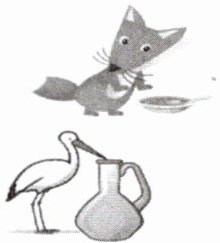
The fox took her to the dinner table and treated her to some soup in a shallow(浅的)bowl. But because the bowl was too shallow for the stork,she couldn't eat any of the soup. The fox,however,quickly ate up his soup and laughed at the stork.
The stork was very angry,but she didn't show her anger. She thanked him for his invitation. To teach the fox a lesson,she invited him for dinner the next day.
She treated him to soup,too,but this time the soup was put in two tall,narrow(狭窄的)vases(花瓶). The stork's long beak made it easy for her to eat the soup from the vase. But the fox couldn't get the soup because he didn't have a long beak. The fox got to know what the stork meant. Feeling ashamed,the fox left.
(
A. The fox showed his love for the stork.
B. The fox played tricks on the stork.
C. The stork enjoyed the soup very much in the fox's home.
D. The stork talked to the fox angrily.
(
A. Because the soup was in a shallow bowl.
B. Because the soup was in a tall,narrow vase.
C. Because the stork didn't cook any soup for him.
D. Because the fox's neck was not long enough to reach a bowl.
(
A. Happy.
B. Angry.
C. Sorry.
D. Sad.
(
A. Think about the needs of others.
B. Think about what a fox says.
C. Learn to use different tools.
D. Be thankful to kind people.
One day,a fox invited a stork(鹳)for dinner. The stork was very happy to go to the fox's home,as she always thought that he didn't like her. She got to the fox's home on time and knocked on the door with her long beak(喙).
The fox took her to the dinner table and treated her to some soup in a shallow(浅的)bowl. But because the bowl was too shallow for the stork,she couldn't eat any of the soup. The fox,however,quickly ate up his soup and laughed at the stork.
The stork was very angry,but she didn't show her anger. She thanked him for his invitation. To teach the fox a lesson,she invited him for dinner the next day.
She treated him to soup,too,but this time the soup was put in two tall,narrow(狭窄的)vases(花瓶). The stork's long beak made it easy for her to eat the soup from the vase. But the fox couldn't get the soup because he didn't have a long beak. The fox got to know what the stork meant. Feeling ashamed,the fox left.
(
B
)1. What do you know according to the passage?A. The fox showed his love for the stork.
B. The fox played tricks on the stork.
C. The stork enjoyed the soup very much in the fox's home.
D. The stork talked to the fox angrily.
(
B
)2. Why couldn't the fox eat any of the soup in the stork's home?A. Because the soup was in a shallow bowl.
B. Because the soup was in a tall,narrow vase.
C. Because the stork didn't cook any soup for him.
D. Because the fox's neck was not long enough to reach a bowl.
(
C
)3. What does the underlined word “ashamed” mean in the last paragraph?A. Happy.
B. Angry.
C. Sorry.
D. Sad.
(
A
)4. What does the story teach us?A. Think about the needs of others.
B. Think about what a fox says.
C. Learn to use different tools.
D. Be thankful to kind people.
答案
六、1. B 【点拨】根据第二段内容可知,狐狸戏耍了鹳。故选 B。
2. B 【点拨】根据“She treated him to soup, too, but this time the soup was put in two tall, narrow(狭窄的) vases (花瓶).”和“But the fox couldn't get the soup because he didn't have a long beak.”可知,狐狸喝不到汤,是因为够不到又窄又高的花瓶里的汤。故选 B。
3. C 【点拨】根据“The fox got to know what the stork meant. Feeling ashamed, the fox left.”可推测出,狐狸感到羞愧,离开了。故选 C。
4. A 【点拨】狐狸和鹳的故事告诉我们要多为他人着想。故选 A。
2. B 【点拨】根据“She treated him to soup, too, but this time the soup was put in two tall, narrow(狭窄的) vases (花瓶).”和“But the fox couldn't get the soup because he didn't have a long beak.”可知,狐狸喝不到汤,是因为够不到又窄又高的花瓶里的汤。故选 B。
3. C 【点拨】根据“The fox got to know what the stork meant. Feeling ashamed, the fox left.”可推测出,狐狸感到羞愧,离开了。故选 C。
4. A 【点拨】狐狸和鹳的故事告诉我们要多为他人着想。故选 A。
解析
【分析】
这是一篇寓言类阅读理解,解题时首先通读全文梳理故事脉络:狐狸邀请鹳吃饭,故意用浅碗盛汤让长喙的鹳无法进食,以此捉弄对方;鹳没有当场发怒,反而回请狐狸,把汤放在又高又窄的花瓶里,让没有长喙的狐狸也喝不到汤,最终狐狸羞愧离场。之后逐题回到原文定位对应信息,用排除法逐一核对选项:细节题直接匹配原文描述,词义猜测题结合上下文情绪推导,主旨题提炼故事传递的核心道理,就能顺利选出正确答案。
【解析】
1. 逐一核对选项:
选项A:狐狸并没有向鹳表达喜爱,反而故意设计让鹳喝不到汤,不符合原文内容,错误;
选项B:狐狸用仅适合自己喝汤的浅碗招待长喙的鹳,故意戏耍对方,符合第二段原文描述,正确;
选项C:鹳在狐狸家根本无法喝到汤,不可能享受这顿晚餐,与原文矛盾,错误;
选项D:原文明确提到鹳十分生气但没有表露情绪,还礼貌感谢了狐狸的邀请,并没有愤怒地和狐狸对话,错误。
因此本题选B。
2. 定位原文最后一段内容:鹳招待狐狸的汤放在两个又高又窄的花瓶里,狐狸没有长喙,根本够不到花瓶里的汤。其余选项中A的浅碗是狐狸家的容器,C的描述和“她也准备了汤”矛盾,D的容器描述为碗不符合原文,因此本题选B。
3. 结合上下文推导词义:狐狸之前故意捉弄鹳,如今自己也体验到了被刁难、喝不到汤的窘境,立刻明白鹳是在回敬自己之前的恶作剧,此时的情绪是羞愧、愧疚的。选项A开心、B生气、D伤心都不符合语境,C项Sorry(愧疚、难为情)和划线词ashamed“羞愧的”含义匹配,因此本题选C。
4. 提炼故事核心寓意:这则寓言通过狐狸捉弄他人最终自食其果的经历,告诉我们待人处事不能只考虑自己的便利,要顾及他人的实际需求,其余选项均不符合故事传递的核心道理,因此本题选A。
【答案】
1. B 2. B 3. C 4. A
【知识点】
阅读理解细节查找,词义猜测,主旨归纳
【点评】
本题选取经典伊索寓言作为阅读素材,考点覆盖了中小学英语阅读最基础的三类题型,整体没有设置偏难怪的陷阱,学生只要养成回到原文定位找依据的做题习惯,就能轻松选出正确答案,同时也能借助故事理解为人处世的道理,兼具知识性和趣味性。
【难度系数】
0.7
这是一篇寓言类阅读理解,解题时首先通读全文梳理故事脉络:狐狸邀请鹳吃饭,故意用浅碗盛汤让长喙的鹳无法进食,以此捉弄对方;鹳没有当场发怒,反而回请狐狸,把汤放在又高又窄的花瓶里,让没有长喙的狐狸也喝不到汤,最终狐狸羞愧离场。之后逐题回到原文定位对应信息,用排除法逐一核对选项:细节题直接匹配原文描述,词义猜测题结合上下文情绪推导,主旨题提炼故事传递的核心道理,就能顺利选出正确答案。
【解析】
1. 逐一核对选项:
选项A:狐狸并没有向鹳表达喜爱,反而故意设计让鹳喝不到汤,不符合原文内容,错误;
选项B:狐狸用仅适合自己喝汤的浅碗招待长喙的鹳,故意戏耍对方,符合第二段原文描述,正确;
选项C:鹳在狐狸家根本无法喝到汤,不可能享受这顿晚餐,与原文矛盾,错误;
选项D:原文明确提到鹳十分生气但没有表露情绪,还礼貌感谢了狐狸的邀请,并没有愤怒地和狐狸对话,错误。
因此本题选B。
2. 定位原文最后一段内容:鹳招待狐狸的汤放在两个又高又窄的花瓶里,狐狸没有长喙,根本够不到花瓶里的汤。其余选项中A的浅碗是狐狸家的容器,C的描述和“她也准备了汤”矛盾,D的容器描述为碗不符合原文,因此本题选B。
3. 结合上下文推导词义:狐狸之前故意捉弄鹳,如今自己也体验到了被刁难、喝不到汤的窘境,立刻明白鹳是在回敬自己之前的恶作剧,此时的情绪是羞愧、愧疚的。选项A开心、B生气、D伤心都不符合语境,C项Sorry(愧疚、难为情)和划线词ashamed“羞愧的”含义匹配,因此本题选C。
4. 提炼故事核心寓意:这则寓言通过狐狸捉弄他人最终自食其果的经历,告诉我们待人处事不能只考虑自己的便利,要顾及他人的实际需求,其余选项均不符合故事传递的核心道理,因此本题选A。
【答案】
1. B 2. B 3. C 4. A
【知识点】
阅读理解细节查找,词义猜测,主旨归纳
【点评】
本题选取经典伊索寓言作为阅读素材,考点覆盖了中小学英语阅读最基础的三类题型,整体没有设置偏难怪的陷阱,学生只要养成回到原文定位找依据的做题习惯,就能轻松选出正确答案,同时也能借助故事理解为人处世的道理,兼具知识性和趣味性。
【难度系数】
0.7
