

 登录
登录
Ⅲ. Read the text again and fill in the blanks. 读课文,根据提示填空。
Danny is going to
Danny is going to
teach
Li Ming to skate. But Danny is late
. Danny asks Li Ming, “Can
you stand up on the ice
?” “Yes, I think
I can,” says Li Ming. Li Ming learns
fast. But Danny falls down. Oops! He falls down again
.答案
teach;late;Can;ice;think;learns;again
解析
本题可根据课文内容以及句子语境和首字母提示来确定所填单词。
第一空:根据“Danny is going to...Li Ming to skate.”以及首字母“t”提示,可知是Danny要教Li Ming滑冰,“teach sb. to do sth.”表示“教某人做某事”,be going to后接动词原形,所以填“teach”。
第二空:根据后文Danny摔倒以及首字母“l”提示,可知Danny是“late”(迟的;晚的)。
第三空:根据“...you stand up...”以及首字母“C”提示,可知是Danny问Li Ming能否站起来,“Can you do sth.”表示“你能做某事吗”,所以填“Can”。
第四空:根据“stand up on the...”以及首字母“i”提示,结合语境可知是在冰上站起来,“ice”表示“冰”,所以填“ice”。
第五空:根据“Yes, I...I can”以及首字母“t”提示,可知Li Ming认为自己能站起来,“think”表示“认为”,所以填“think”。
第六空:根据“Li Ming...fast.”以及首字母“l”提示,可知Li Ming学得快,“learn”表示“学习”,这里用第三人称单数形式“learns”。
第七空:根据“He falls down...”以及首字母“a”提示,可知是再次摔倒,“again”表示“再一次”,所以填“again”。
第一空:根据“Danny is going to...Li Ming to skate.”以及首字母“t”提示,可知是Danny要教Li Ming滑冰,“teach sb. to do sth.”表示“教某人做某事”,be going to后接动词原形,所以填“teach”。
第二空:根据后文Danny摔倒以及首字母“l”提示,可知Danny是“late”(迟的;晚的)。
第三空:根据“...you stand up...”以及首字母“C”提示,可知是Danny问Li Ming能否站起来,“Can you do sth.”表示“你能做某事吗”,所以填“Can”。
第四空:根据“stand up on the...”以及首字母“i”提示,结合语境可知是在冰上站起来,“ice”表示“冰”,所以填“ice”。
第五空:根据“Yes, I...I can”以及首字母“t”提示,可知Li Ming认为自己能站起来,“think”表示“认为”,所以填“think”。
第六空:根据“Li Ming...fast.”以及首字母“l”提示,可知Li Ming学得快,“learn”表示“学习”,这里用第三人称单数形式“learns”。
第七空:根据“He falls down...”以及首字母“a”提示,可知是再次摔倒,“again”表示“再一次”,所以填“again”。
Ⅳ. Write sentences following the example. 仿照例子,写句子。
| | 人物 | 动作 | 地点 |
| 1 | Danny | skate | on the ice |
| 2 | I | swim | in the sea |
| 3 | David | drive a car | on the street |

Example:
1. Danny thinks he can skate on the ice.
Look, he is skating on the ice.
2.
3.
| | 人物 | 动作 | 地点 |
| 1 | Danny | skate | on the ice |
| 2 | I | swim | in the sea |
| 3 | David | drive a car | on the street |
Example:
1. Danny thinks he can skate on the ice.
Look, he is skating on the ice.
2.
I think I can swim in the sea. Look, I am swimming in the sea.
3.
David thinks he can drive a car on the street. Look, he is driving a car on the street.
答案
2. I think I can swim in the sea. Look, I am swimming in the sea.
3. David thinks he can drive a car on the street. Look, he is driving a car on the street.
3. David thinks he can drive a car on the street. Look, he is driving a car on the street.
Ⅴ. Choose the correct answer. 选择恰当的选项。
(
A. That’s okay.
B. That’s early.
(
A. Yes, I do.
B. Yes, I can.
(
A. Okay.
B. Oops!
(
A. What cold, snowy day!
B. What a cold, snowy day!
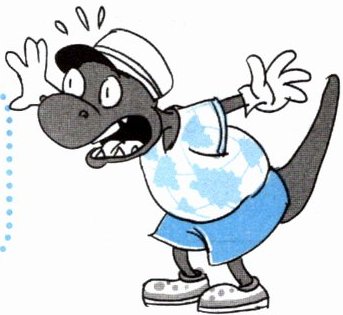
oops 意为“哎呦,哎呀”,某人摔倒或出了点小差错时的用语,例如:Oops, I read that word wrong. 哎呀,我读错了那个词。
(
A
) 1. 如果对方迟到了向你道歉,你可以说:A. That’s okay.
B. That’s early.
(
B
) 2. 如果对方问你是否会游泳,你可以说:A. Yes, I do.
B. Yes, I can.
(
A
) 3. 如果对方建议跟你一起堆雪人,你可以说:A. Okay.
B. Oops!
(
B
) 4. 如果感叹今天是一个很冷的雪天,你可以说:A. What cold, snowy day!
B. What a cold, snowy day!
oops 意为“哎呦,哎呀”,某人摔倒或出了点小差错时的用语,例如:Oops, I read that word wrong. 哎呀,我读错了那个词。
答案
1. A
2. B
3. A
4. B
2. B
3. A
4. B
解析
1. 对方迟到时道歉,常用回答是“That’s okay.”(没关系),所以选A。
2. 问是否会做某事用can,“Yes, I can.”符合,选B。
3. 对方建议一起做某事,同意的话可以说“Okay.”,选A。
4. 感叹句“What a +形容词+名词!”结构,“What a cold, snowy day!”正确,选B。
2. 问是否会做某事用can,“Yes, I can.”符合,选B。
3. 对方建议一起做某事,同意的话可以说“Okay.”,选A。
4. 感叹句“What a +形容词+名词!”结构,“What a cold, snowy day!”正确,选B。
