

 登录
阅读以下语篇,完成第9-12题。
[2026 宿迁市宿豫区模拟]Lei Diansheng is a famous Chinese explorer and environmental protector. Born in 1963 in a small village near Harbin, he is called "the modern Xu Xiake" for their similar experiences. Before starting his trip, he spent 10 years preparing. He did daily long runs to build up his strength and read many books on wild survival to learn how to deal with dangers.
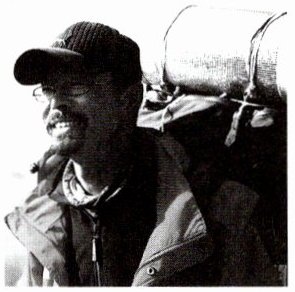
From 1998 to 2008, Lei spent 10 years walking through every part of China. He travelled about 81,000 kilometres—almost twice around the equator! During the trip, he wore out 52 pairs of shoes and lost 19 toenails. Once, he even had to eat snake meat to stay alive in the Shennongjia Forest. He faced many dangers, like mudslides(泥石流) and wolf attacks. In 2008, he made history by walking alone through the Lop Nur area, a dry and dangerous place. He walked 1,100 kilometres in 31 days and became the first person to do that alone.
Lei didn't just walk for fun. He visited all 56 ethnic groups(民族) in China, took about 40,000 photos and wrote millions of words in his notes. These notes became a "living record" of Chinese culture and nature. He also helped others during his trip—he gave money to poor students. He once took part in flood rescue(抗洪) work in Hunan Province.
Now, Lei still works for nature and education. He leads teams to study the environment, like protecting the source of the Yangtze River. For students, he often organizes hiking camps in Heilongjiang's forests, where kids learn to identify wild plants and understand local cultures.
Lei's story tells us: True adventure is not just about walking far. It's about loving our land and protecting it.
9. Why is Lei Diansheng called "the modern Xu Xiake"?
A. Because he was born near Harbin.
B. Because he had experiences like those of Xu Xiake.
C. Because he likes reading Xu Xiake's books.
D. Because he travelled to every place Xu Xiake visited.
10. What does the underlined word "that" in Paragraph 2 refer to?
A. Taking about 40,000 photos.
B. Collecting water samples.
C. Visiting all ethnic groups.
D. Walking alone through the Lop Nur area.
11. What can we know about Lei Diansheng's 10-year trip?
A. He finished his trip in 2002.
B. He walked around the equator twice.
C. He wore out 19 pairs of new shoes.
D. He faced many dangers but kept going.
12. What can we infer from Lei's work now?
A. He has given up his journey completely.
B. He expects more people to protect nature.
C. He focuses more on travelling than environmental work.
D. He has already finished the task of protecting the Yangtze River.
[2026 宿迁市宿豫区模拟]Lei Diansheng is a famous Chinese explorer and environmental protector. Born in 1963 in a small village near Harbin, he is called "the modern Xu Xiake" for their similar experiences. Before starting his trip, he spent 10 years preparing. He did daily long runs to build up his strength and read many books on wild survival to learn how to deal with dangers.
From 1998 to 2008, Lei spent 10 years walking through every part of China. He travelled about 81,000 kilometres—almost twice around the equator! During the trip, he wore out 52 pairs of shoes and lost 19 toenails. Once, he even had to eat snake meat to stay alive in the Shennongjia Forest. He faced many dangers, like mudslides(泥石流) and wolf attacks. In 2008, he made history by walking alone through the Lop Nur area, a dry and dangerous place. He walked 1,100 kilometres in 31 days and became the first person to do that alone.
Lei didn't just walk for fun. He visited all 56 ethnic groups(民族) in China, took about 40,000 photos and wrote millions of words in his notes. These notes became a "living record" of Chinese culture and nature. He also helped others during his trip—he gave money to poor students. He once took part in flood rescue(抗洪) work in Hunan Province.
Now, Lei still works for nature and education. He leads teams to study the environment, like protecting the source of the Yangtze River. For students, he often organizes hiking camps in Heilongjiang's forests, where kids learn to identify wild plants and understand local cultures.
Lei's story tells us: True adventure is not just about walking far. It's about loving our land and protecting it.
9. Why is Lei Diansheng called "the modern Xu Xiake"?
A. Because he was born near Harbin.
B. Because he had experiences like those of Xu Xiake.
C. Because he likes reading Xu Xiake's books.
D. Because he travelled to every place Xu Xiake visited.
10. What does the underlined word "that" in Paragraph 2 refer to?
A. Taking about 40,000 photos.
B. Collecting water samples.
C. Visiting all ethnic groups.
D. Walking alone through the Lop Nur area.
11. What can we know about Lei Diansheng's 10-year trip?
A. He finished his trip in 2002.
B. He walked around the equator twice.
C. He wore out 19 pairs of new shoes.
D. He faced many dangers but kept going.
12. What can we infer from Lei's work now?
A. He has given up his journey completely.
B. He expects more people to protect nature.
C. He focuses more on travelling than environmental work.
D. He has already finished the task of protecting the Yangtze River.
答案
9. B
10. D 代词指代题。根据前文“In 2008, he made history by walking alone through the Lop Nur area”可知,that指代独自徒步穿越罗布泊地区这件事。
11. D
12. B 推理判断题。根据第四段可知,他带队开展长江源生态调研、组织学生森林研学普及自然保护知识,由此可推断他希望更多人一起保护自然。
10. D 代词指代题。根据前文“In 2008, he made history by walking alone through the Lop Nur area”可知,that指代独自徒步穿越罗布泊地区这件事。
11. D
12. B 推理判断题。根据第四段可知,他带队开展长江源生态调研、组织学生森林研学普及自然保护知识,由此可推断他希望更多人一起保护自然。
