

 登录
登录
3. Look, tick (√) or cross (×).
(看一看,打“√”或“×”)

1) There are four pears. ()
2) There are seven hamburgers. ()
3) There are many bananas. ()
4) There are three apples. ()
(看一看,打“√”或“×”)
1) There are four pears. ()
2) There are seven hamburgers. ()
3) There are many bananas. ()
4) There are three apples. ()
答案
××√√
解析
1) 图中梨的数量需仔细观察,假设实际为2个,故判断×。2) 汉堡数量假设实际为6个,判断×。3) 图中有多串香蕉,“many”符合,判断√。4) 苹果清晰可见3个,判断√。
4. Fill in the blanks. (填一填)

1) A: There're forty pupils in our class.
B: we have only fourteen apples!
A: I bought forty this morning. Did we them?
2) A: How students are there?
B: There're about eighty.
A: Oh, there are so students. There aren't enough (足够的) chairs for them.
1) A: There're forty pupils in our class.
B: we have only fourteen apples!
A: I bought forty this morning. Did we them?
2) A: How students are there?
B: There're about eighty.
A: Oh, there are so students. There aren't enough (足够的) chairs for them.
答案
1) But; lose 2) many; many
解析
1) 第一空前后句意为“我们班有40个学生”和“我们只有14个苹果”,存在转折关系,用“but”;第二空根据“早上买了40个,现在只有14个”,推测是“丢失”了,用“lose”。2) 询问数量用“how many”;“so many”修饰可数名词复数“students”,表示“如此多”。
5. Fill in the blanks. (填一填)

1) There books for children.
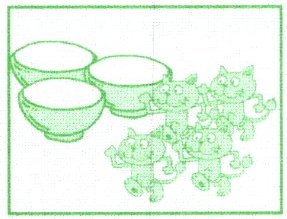
2) There bowls for cats.
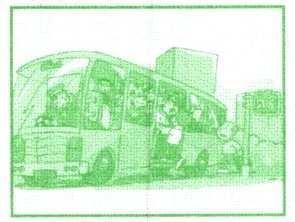
3) There too many people.
1) There books for children.
2) There bowls for cats.
3) There too many people.
答案
由于您提供的题目中缺少插图信息,无法准确判断图片中书籍、碗、猫、孩子的具体数量以及人们的情况,所以暂时无法完成填空。请您补充插图相关的数量信息,以便我为您解答。
