

 登录
登录
二、语篇填空。
阅读短文,从方框中选择适当的词并用其正确形式填空,使短文通顺、意思完整。每空限填一词,每词限用一次。
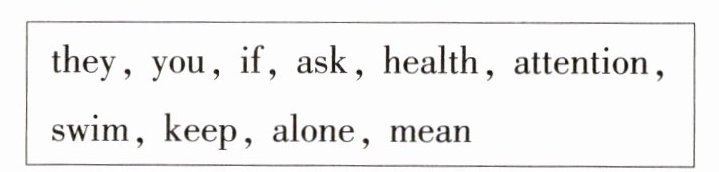
Swimming is very popular (受欢迎) in summer. People like swimming in summer, even in the other three seasons because it helps keep 11.
When you go swimming, 14.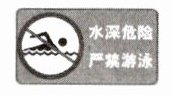
18.
阅读短文,从方框中选择适当的词并用其正确形式填空,使短文通顺、意思完整。每空限填一词,每词限用一次。
Swimming is very popular (受欢迎) in summer. People like swimming in summer, even in the other three seasons because it helps keep 11.
healthy
and water makes people cool. But 12. if
you don't swim in a right place, it may not be safe. Many students lose their lives when they are enjoying 13. themselves
in the water.When you go swimming, 14.
keep
these safety rules in mind. Don't get into the water when you are 15. alone
. Remember to go to a 16. swimming
pool. Pay 17. attention
to the signs. For example, the sign18.
means
the water is deep, and you mustn't swim there. If there is an accident, 19. ask
adults (成年人) for help. Do not try to save them by 20. yourself
. In this way, swimming will be safe and fun.答案
11. healthy 12. if 13. themselves 14. keep 15. alone
16. swimming 17. attention 18. means 19. ask 20. yourself
16. swimming 17. attention 18. means 19. ask 20. yourself
解析
【分析】
首先通读全文,明确文章主旨是介绍游泳的益处及游泳安全规则。解题时需结合语境、固定搭配和词性变化逐一填空:
1. 第11空:根据“helps keep”的结构,此处需填形容词,结合游泳有益健康的语境,确定用“healthy”;
2. 第12空:句子前后是条件关系,表达“如果不在合适的地方游泳,可能不安全”,所以用引导条件状语从句的“if”;
3. 第13空:“enjoy oneself”是固定搭配,主语是“Many students”,对应复数反身代词“themselves”;
4. 第14空:“keep...in mind”是固定短语,意为“牢记”,符合“牢记安全规则”的语境;
5. 第15空:根据安全常识,不能独自下水,所以填“alone”;
6. 第16空:“swimming pool”是固定搭配,意为“游泳池”;
7. 第17空:“pay attention to”是固定短语,意为“注意”;
8. 第18空:主语“the sign”是单数,谓语动词用第三人称单数形式,结合语境“标志意味着水很深”,填“means”;
9. 第19空:“ask sb for help”是固定短语,意为“向某人求助”;
10. 第20空:“by oneself”是固定搭配,意为“独自”,此处主语是“you”,对应反身代词“yourself”。
【解析】
11. 结合“keep+形容词”的结构及游泳有益健康的语境,填形容词healthy(健康的);
12. 此处引导条件状语从句,表达“如果”的含义,填连词if;
13. 根据固定搭配“enjoy oneself”(玩得开心),主语Many students是复数,填反身代词themselves;
14. 根据固定短语“keep...in mind”(牢记),填动词keep;
15. 根据安全常识,不能独自下水,填形容词alone(独自的);
16. 根据固定搭配“swimming pool”(游泳池),填动名词swimming;
17. 根据固定短语“pay attention to”(注意),填名词attention;
18. 主语the sign是单数,谓语动词用第三人称单数形式,结合语境“标志意味着水很深”,填means;
19. 根据固定短语“ask sb for help”(向某人求助),填动词ask;
20. 根据固定搭配“by oneself”(独自),主语是you,填反身代词yourself。
【答案】
11. healthy 12. if 13. themselves 14. keep 15. alone
16. swimming 17. attention 18. means 19. ask 20. yourself
【知识点】
1. 固定短语搭配
2. 反身代词用法
3. 条件状语从句
【点评】
本题围绕游泳安全主题,重点考查初中阶段常用的固定短语、反身代词的灵活运用以及状语从句的引导词,既需要学生掌握基础的短语和语法知识,也需要结合语境进行逻辑判断,有助于提升学生的语篇理解和词汇运用能力。
【难度系数】
0.6
首先通读全文,明确文章主旨是介绍游泳的益处及游泳安全规则。解题时需结合语境、固定搭配和词性变化逐一填空:
1. 第11空:根据“helps keep”的结构,此处需填形容词,结合游泳有益健康的语境,确定用“healthy”;
2. 第12空:句子前后是条件关系,表达“如果不在合适的地方游泳,可能不安全”,所以用引导条件状语从句的“if”;
3. 第13空:“enjoy oneself”是固定搭配,主语是“Many students”,对应复数反身代词“themselves”;
4. 第14空:“keep...in mind”是固定短语,意为“牢记”,符合“牢记安全规则”的语境;
5. 第15空:根据安全常识,不能独自下水,所以填“alone”;
6. 第16空:“swimming pool”是固定搭配,意为“游泳池”;
7. 第17空:“pay attention to”是固定短语,意为“注意”;
8. 第18空:主语“the sign”是单数,谓语动词用第三人称单数形式,结合语境“标志意味着水很深”,填“means”;
9. 第19空:“ask sb for help”是固定短语,意为“向某人求助”;
10. 第20空:“by oneself”是固定搭配,意为“独自”,此处主语是“you”,对应反身代词“yourself”。
【解析】
11. 结合“keep+形容词”的结构及游泳有益健康的语境,填形容词healthy(健康的);
12. 此处引导条件状语从句,表达“如果”的含义,填连词if;
13. 根据固定搭配“enjoy oneself”(玩得开心),主语Many students是复数,填反身代词themselves;
14. 根据固定短语“keep...in mind”(牢记),填动词keep;
15. 根据安全常识,不能独自下水,填形容词alone(独自的);
16. 根据固定搭配“swimming pool”(游泳池),填动名词swimming;
17. 根据固定短语“pay attention to”(注意),填名词attention;
18. 主语the sign是单数,谓语动词用第三人称单数形式,结合语境“标志意味着水很深”,填means;
19. 根据固定短语“ask sb for help”(向某人求助),填动词ask;
20. 根据固定搭配“by oneself”(独自),主语是you,填反身代词yourself。
【答案】
11. healthy 12. if 13. themselves 14. keep 15. alone
16. swimming 17. attention 18. means 19. ask 20. yourself
【知识点】
1. 固定短语搭配
2. 反身代词用法
3. 条件状语从句
【点评】
本题围绕游泳安全主题,重点考查初中阶段常用的固定短语、反身代词的灵活运用以及状语从句的引导词,既需要学生掌握基础的短语和语法知识,也需要结合语境进行逻辑判断,有助于提升学生的语篇理解和词汇运用能力。
【难度系数】
0.6
三、补全对话。
根据下面的对话情景,在每个空白处填上一个适当的句子,使对话的意思连贯、完整。
A: Kangkang, you don't look happy today. Why?
B: 21.
A: What family rules do you have?
B: 22.
A: It's really early. 23.
B: Yes. Rule two: I must go to bed before half past nine.
A: Going to bed early is good for your health.
B: There is another special rule: 24.
A: Wow, saying "I love you" to each other every day can show your love to each other. Do you have to clean you room?
B: 25.
A: These rules can help you develop good habits. You should follow them.
根据下面的对话情景,在每个空白处填上一个适当的句子,使对话的意思连贯、完整。
A: Kangkang, you don't look happy today. Why?
B: 21.
Because I have too many family rules/Because there are too many family rules in my home
.A: What family rules do you have?
B: 22.
I have to get up at six o'clock/I must get up at six o'clock
. My mom always says, "Get up. It's six o'clock."A: It's really early. 23.
Are there any other rules/Do you have any other rules
?B: Yes. Rule two: I must go to bed before half past nine.
A: Going to bed early is good for your health.
B: There is another special rule: 24.
Say "I love you" to each other every day
.A: Wow, saying "I love you" to each other every day can show your love to each other. Do you have to clean you room?
B: 25.
Yes, I do
. I must clean my room every morning.A: These rules can help you develop good habits. You should follow them.
答案
21. Because I have too many family rules/Because there are too many family rules in my home
22. I have to get up at six o'clock/I must get up at six o'clock
23. Are there any other rules/Do you have any other rules
24. Say "I love you" to each other every day
25. Yes, I do
22. I have to get up at six o'clock/I must get up at six o'clock
23. Are there any other rules/Do you have any other rules
24. Say "I love you" to each other every day
25. Yes, I do
解析
【分析】
我们可以通过上下文的对话逻辑来逐个推断空白处的内容:
1. 第21空:A询问B不开心的原因(Why?),结合后文A紧接着问家庭规则,可知B不开心是因为家里有太多家规,所以要用Because开头回答原因。
2. 第22空:A问有什么家规,B后面提到妈妈总说“六点起床”,所以此处应填与必须六点起床相关的句子。
3. 第23空:B说完第一个家规后,后面提到了“Rule two”,说明A此时应该询问是否还有其他家规,用一般疑问句来表达。
4. 第24空:A后面提到“saying 'I love you' to each other every day can show your love”,可知这个特殊规则就是每天互相说“我爱你”。
5. 第25空:A用“Do you have to clean your room?”提问,B后面说必须每天打扫房间,所以要给出肯定回答。
【解析】
21. 根据上文A的疑问“Why?”以及下文关于家庭规则的话题,此处需回答不开心的原因,故填Because I have too many family rules/Because there are too many family rules in my home。
22. 结合下文B提到妈妈让六点起床,可知此处是介绍第一条家规,故填I have to get up at six o'clock/I must get up at six o'clock。
23. 根据B后面提到“Rule two”,可知A是询问是否还有其他家规,故填Are there any other rules/Do you have any other rules。
24. 结合下文A对“说我爱你”的评价,可知此处是介绍这条特殊家规,故填Say "I love you" to each other every day。
25. A用一般疑问句“Do you have to clean your room?”提问,B后面表明必须打扫房间,所以给出肯定回答,故填Yes, I do。
【答案】
21. Because I have too many family rules/Because there are too many family rules in my home
22. I have to get up at six o'clock/I must get up at six o'clock
23. Are there any other rules/Do you have any other rules
24. Say "I love you" to each other every day
25. Yes, I do
【知识点】
情景交际补全对话、日常用语问答、一般疑问句回应
【点评】
本题考查情景交际中的补全对话,重点考查学生结合上下文语境推断对话内容的能力,对话围绕家庭规则展开,贴近日常生活,有助于培养学生的语用能力和逻辑思维能力。
【难度系数】
0.7
我们可以通过上下文的对话逻辑来逐个推断空白处的内容:
1. 第21空:A询问B不开心的原因(Why?),结合后文A紧接着问家庭规则,可知B不开心是因为家里有太多家规,所以要用Because开头回答原因。
2. 第22空:A问有什么家规,B后面提到妈妈总说“六点起床”,所以此处应填与必须六点起床相关的句子。
3. 第23空:B说完第一个家规后,后面提到了“Rule two”,说明A此时应该询问是否还有其他家规,用一般疑问句来表达。
4. 第24空:A后面提到“saying 'I love you' to each other every day can show your love”,可知这个特殊规则就是每天互相说“我爱你”。
5. 第25空:A用“Do you have to clean your room?”提问,B后面说必须每天打扫房间,所以要给出肯定回答。
【解析】
21. 根据上文A的疑问“Why?”以及下文关于家庭规则的话题,此处需回答不开心的原因,故填Because I have too many family rules/Because there are too many family rules in my home。
22. 结合下文B提到妈妈让六点起床,可知此处是介绍第一条家规,故填I have to get up at six o'clock/I must get up at six o'clock。
23. 根据B后面提到“Rule two”,可知A是询问是否还有其他家规,故填Are there any other rules/Do you have any other rules。
24. 结合下文A对“说我爱你”的评价,可知此处是介绍这条特殊家规,故填Say "I love you" to each other every day。
25. A用一般疑问句“Do you have to clean your room?”提问,B后面表明必须打扫房间,所以给出肯定回答,故填Yes, I do。
【答案】
21. Because I have too many family rules/Because there are too many family rules in my home
22. I have to get up at six o'clock/I must get up at six o'clock
23. Are there any other rules/Do you have any other rules
24. Say "I love you" to each other every day
25. Yes, I do
【知识点】
情景交际补全对话、日常用语问答、一般疑问句回应
【点评】
本题考查情景交际中的补全对话,重点考查学生结合上下文语境推断对话内容的能力,对话围绕家庭规则展开,贴近日常生活,有助于培养学生的语用能力和逻辑思维能力。
【难度系数】
0.7
