

 登录
登录
二、完形填空(10 分)
Brian was a funny student. He loved watching comedies best and hoped to become a comedy actor one day.
When he heard about the talent show to be held at his school, Brian decided to take part in. He had never acted on stage(舞台) before, and he was very 1 . But some students laughed at him.
"You are not funny 2 silly," Ken, one of his classmates, said to his face. "No one will like what you do," another boy also said to him, loudly.
Brian couldn't understand why they were so 3 to him. For a moment, he thought about giving up the 4 . But he remembered how much his friends liked his 5 , and also his teachers said he was very funny. So he decided to prepare for the show.
Brian did a great job at the talent show, and he won the first prize! His teachers and friends were proud of him. Even so, Ken told Brian that he was not funny, and that he would never be 6 . Brian didn't understand why Ken said so, but he realized that his success had 7 to do with him. He confidently continued to work towards his goal.
As the years went on, Brian met more people like Ken. "You'll do a 8 job," they said to him. Luckily, most people 9 him and some helped him to become even funnier. He got a lot of chances to act in movies. He was even invited to appear on television. His fans thanked him because his comedies made them feel 10 when they were unhappy.
Now Brian is a big comedy star! He is doing what he loves best. He never feels stressed like those unkind people, and he laughs all day long!
()1. A. surprised
B. proud
C. excited
D. stressed
()2. A. but
B. or
C. and
D. nor
()3. A. hopeless
B. unusual
C. helpless
D. unkind
()4. A. hobby
B. show
C. prize
D. effort
()5. A. ideas
B. jokes
C. minds
D. looks
()6. A. wealthy
B. lucky
C. successful
D. useful
()7. A. nothing
B. anything
C. something
D. everything
()8. A. wonderful
B. challenging
C. terrible
D. surprising
()9. A. doubted
B. followed
C. mistook
D. encouraged
()10. A. well
B. good
C. calm
D. lively
Brian was a funny student. He loved watching comedies best and hoped to become a comedy actor one day.
When he heard about the talent show to be held at his school, Brian decided to take part in. He had never acted on stage(舞台) before, and he was very 1 . But some students laughed at him.
"You are not funny 2 silly," Ken, one of his classmates, said to his face. "No one will like what you do," another boy also said to him, loudly.
Brian couldn't understand why they were so 3 to him. For a moment, he thought about giving up the 4 . But he remembered how much his friends liked his 5 , and also his teachers said he was very funny. So he decided to prepare for the show.
Brian did a great job at the talent show, and he won the first prize! His teachers and friends were proud of him. Even so, Ken told Brian that he was not funny, and that he would never be 6 . Brian didn't understand why Ken said so, but he realized that his success had 7 to do with him. He confidently continued to work towards his goal.
As the years went on, Brian met more people like Ken. "You'll do a 8 job," they said to him. Luckily, most people 9 him and some helped him to become even funnier. He got a lot of chances to act in movies. He was even invited to appear on television. His fans thanked him because his comedies made them feel 10 when they were unhappy.
Now Brian is a big comedy star! He is doing what he loves best. He never feels stressed like those unkind people, and he laughs all day long!
()1. A. surprised
B. proud
C. excited
D. stressed
()2. A. but
B. or
C. and
D. nor
()3. A. hopeless
B. unusual
C. helpless
D. unkind
()4. A. hobby
B. show
C. prize
D. effort
()5. A. ideas
B. jokes
C. minds
D. looks
()6. A. wealthy
B. lucky
C. successful
D. useful
()7. A. nothing
B. anything
C. something
D. everything
()8. A. wonderful
B. challenging
C. terrible
D. surprising
()9. A. doubted
B. followed
C. mistook
D. encouraged
()10. A. well
B. good
C. calm
D. lively
答案
CADBB CACDB
解析
1. 由“He had never acted on stage before”及参加才艺秀的语境,可知首次登台应是兴奋的,选C。
2. “not...but...”表“不是……而是……”,Ken嘲笑他“不是有趣而是傻”,选A。
3. 同学嘲笑他,体现不友善,选D。
4. 上文提及“talent show”,此处指放弃表演,选B。
5. 由“teachers said he was very funny”可知朋友喜欢他的笑话,选B。
6. Ken否定他的成功,说他不会成功,选C。
7. “have nothing to do with”表“与……无关”,他的成功与Ken无关,选A。
8. 像Ken一样的人会给负面评价,“terrible”符合,选C。
9. 由“some helped him”可知多数人鼓励他,选D。
10. “feel”后接形容词,喜剧让人不开心时感觉好,选B。
2. “not...but...”表“不是……而是……”,Ken嘲笑他“不是有趣而是傻”,选A。
3. 同学嘲笑他,体现不友善,选D。
4. 上文提及“talent show”,此处指放弃表演,选B。
5. 由“teachers said he was very funny”可知朋友喜欢他的笑话,选B。
6. Ken否定他的成功,说他不会成功,选C。
7. “have nothing to do with”表“与……无关”,他的成功与Ken无关,选A。
8. 像Ken一样的人会给负面评价,“terrible”符合,选C。
9. 由“some helped him”可知多数人鼓励他,选D。
10. “feel”后接形容词,喜剧让人不开心时感觉好,选B。
三、阅读理解(16 分)
A
As we often use eyes to touch nature, most of us "lose" the ability to listen to the world.
Peter writes music. He likes sounds and uses natural sounds as part of his music. He often went out to the wild with his microphone and recorded interesting sounds to put in movies or to use in his own songs. Instead of trying to capture just the sound of one animal or bird, he recorded the sound of everything all together—the animals, the trees, the wind and the earth. He called these recordings "soundscapes"—the sound of a certain place. Every soundscape Peter recorded had a lot of information.
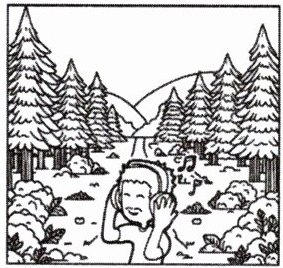
Back in his workshop, Peter used a computer to make a picture of all the sounds going on in a place. Each animal, bird and insect had its own place on the picture—its own notes in the music. The busier the picture, the richer the life in that place. "While a picture may be worth 1,000 words, a soundscape is worth 1,000 pictures," Peter said. "Our ears tell us the sound of every leaf and animal and speak to the natural sources(来源) of our lives, which may hold the secrets of love for all things, especially our own humanity."
But not everything is satisfying. When Peter began recording over forty years ago, he could record for ten hours and get one hour of usable material good enough for a movie. Now, because of human activities, it can take up to 1,000 hours or more to get the same thing. Some of the places he has recorded over the years have slowly fallen silent. His sound pictures show that although nature might look the same to humans, it has lost part of its orchestra(管弦乐队).
So next time you are in the forests, try another way to look—shut your eyes, and listen.
()1. What does the underlined word "capture" in Paragraph 2 mean?
A. Shut.
B. Catch.
C. Touch.
D. Check.
()2. What is a sound picture in the text?
A. The sound of every leaf and animal in nature.
B. The sound recorded in the natural environment.
C. A picture of music with sounds of 1,000 animals.
D. A picture of music with natural sounds in a place.
()3. What can we learn from Paragraph 4?
A. Recording sounds needs less material.
B. Sound pictures are the same as before.
C. Some beautiful sounds in nature are lost.
D. Human activities improve recording results.
()4. What does the writer mainly want to tell us?
A. Nature is the source of our future.
B. Nature has wonders to be heard.
C. Making music enriches our lives.
D. Making music needs information.
A
As we often use eyes to touch nature, most of us "lose" the ability to listen to the world.
Peter writes music. He likes sounds and uses natural sounds as part of his music. He often went out to the wild with his microphone and recorded interesting sounds to put in movies or to use in his own songs. Instead of trying to capture just the sound of one animal or bird, he recorded the sound of everything all together—the animals, the trees, the wind and the earth. He called these recordings "soundscapes"—the sound of a certain place. Every soundscape Peter recorded had a lot of information.
Back in his workshop, Peter used a computer to make a picture of all the sounds going on in a place. Each animal, bird and insect had its own place on the picture—its own notes in the music. The busier the picture, the richer the life in that place. "While a picture may be worth 1,000 words, a soundscape is worth 1,000 pictures," Peter said. "Our ears tell us the sound of every leaf and animal and speak to the natural sources(来源) of our lives, which may hold the secrets of love for all things, especially our own humanity."
But not everything is satisfying. When Peter began recording over forty years ago, he could record for ten hours and get one hour of usable material good enough for a movie. Now, because of human activities, it can take up to 1,000 hours or more to get the same thing. Some of the places he has recorded over the years have slowly fallen silent. His sound pictures show that although nature might look the same to humans, it has lost part of its orchestra(管弦乐队).
So next time you are in the forests, try another way to look—shut your eyes, and listen.
()1. What does the underlined word "capture" in Paragraph 2 mean?
A. Shut.
B. Catch.
C. Touch.
D. Check.
()2. What is a sound picture in the text?
A. The sound of every leaf and animal in nature.
B. The sound recorded in the natural environment.
C. A picture of music with sounds of 1,000 animals.
D. A picture of music with natural sounds in a place.
()3. What can we learn from Paragraph 4?
A. Recording sounds needs less material.
B. Sound pictures are the same as before.
C. Some beautiful sounds in nature are lost.
D. Human activities improve recording results.
()4. What does the writer mainly want to tell us?
A. Nature is the source of our future.
B. Nature has wonders to be heard.
C. Making music enriches our lives.
D. Making music needs information.
答案
1. B
2. D
3. C
4. B
2. D
3. C
4. B
