

 登录
登录
四、阅读理解(共15小题,每小题2分,满分30分)
A
Molly loves hunting for shark teeth on the beach. She jumped for joy when she got a pair of long rubber boots from her parents. She put them on and set out for a nearby beach. In less than half an hour, the nine-year-old noticed a five-inch-long tooth. To her surprise, it turned out to have belonged to a megalodon(巨齿鲨) from 15 million years ago! This very large species of shark died out 3.6 million years ago.

Seriously?
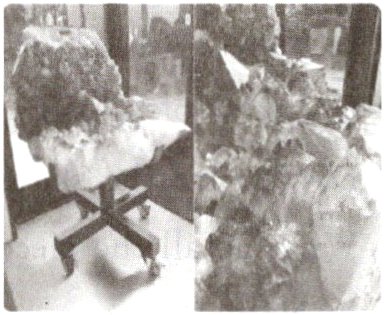
Koichi Hasegawa, a Japanese designer, found a large piece of amethyst(紫水晶) on a trip to the United States. It was shaped like the letter “L” and had a long history. He brought the stone home and made it into an office chair. The chair is now up for sale for nearly 23,000 yuan. The designer said, “You can actually sit on it if you can afford it.” Or, maybe, if you have thick enough a cushion(垫子)?
Toys from Ancient Times
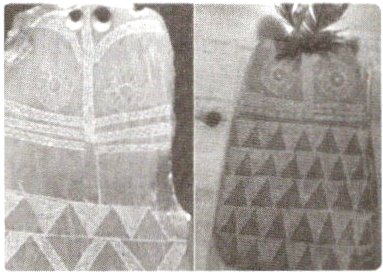
Archaeologists(考古学家) may have found some toys that belonged to children who lived in the Iberian Peninsula(伊比利亚半岛) about 5,000 years ago. The toys are slates(石板) carved(雕刻) with images of owls. It’s impossible to know exactly how ancient children played with the owls, but many of the slates have holes to insert real feathers at the top.
51. In which section of the newspaper can we read the news?
A. CLASSIC TOY.
B. MAGIC DESIGN.
C. YOUTH POWER.
D. PAST EVENTS ON EARTH.
52. What would be the best heading for the first piece of news?
A. What a Real Find!
B. A Pretty Girl
C. A Five-inch-long Tooth
D. Hunting for Teeth
53. Why was the amethyst made into an office chair?
A. Because it is worth a lot of money.
B. Because the shape of it is special.
C. Because Koichi has a thick cushion.
D. Because Hasegawa is a designer.
54. Which of the following information is probably right according to the third news?
A. The toys were found in Europe 5,000 years ago.
B. Images of owls were symbols of happy and smart.
C. Archaeologists have mastered how to play with the toys.
D. Many of the slates have holes to insert real leathers at the top.
55. What do all the pieces of news above have in common?
A. Natural resources.
B. Mysterious historical sites.
C. Animals in danger.
D. Objects that have been found.
B
In a class I teach the adults, and I recently did something “unpardonable(不可原谅的)”. I gave the class homework! The assignment was to “go to someone you love within the next week and tell them you love them. It has to be someone you have never said those words to before or at least haven’t shared those words with for a long time.”
Now that doesn’t sound like a very tough assignment, until you stop to realize that most of the men were over 35. Showing feelings or crying was just not done. ★
At the beginning of our next class, one of the men shared his impressive experience. He began by saying, “Dennis, I was quite angry with you when you gave us this task. I couldn’t think of a person to say those words to, and besides, it was something really personal. But when I drove home, your homework reminded me of my father. Five years ago, we had a quarrel. After that, we avoided seeing each other unless we had to be at family gatherings. But even then, we hardly spoke to each other.”
“So last Tuesday by the time I got home, I had persuaded myself to tell my father I loved him. It’s strange, but just making that decision seemed to lift a heavy load off my chest. When I got home, I rushed into the house to tell my wife about my plan. The next morning, I got up early and called my dad at 9:00. On the phone, I just said, ‘Dad, can I come over after work tonight? I have something to tell you.’ I made sure it wouldn’t take long, so he finally agreed. At 5:30, I was at my parents’ house ringing the doorbell, hoping that Dad would answer the door. Dad himself answered the door. I didn’t waste any time — I took one step in the door and said, ‘Dad, I just came to tell you that I love you.’ Before my eyes, his face softened, the wrinkles seemed to disappear and he began to cry. He reached out and hugged me and said, ‘I love you too, son, but I’ve never been able to say it.’ It was such a precious moment. I hadn’t felt that great in a long time. Two days after that visit, my dad suffered a heart attack and passed away in the hospital. So my message to all of you in this is: Don’t wait to do the things if you know they are needed to be done.”
56. The man in the writer’s class was quite _________ the homework at the very beginning.
A. satisfied with
B. angry with
C. proud of
D. worried about
57. The underlined words “that decision” in Paragraph 4 refer to _________.
A. avoid seeing each other
B. tell his wife about the plan
C. tell Father “I love you”
D. make a phone call to Father
58. From the passage, it’s TRUE that _________.
A. the man did not want to tell his father he loved him
B. the man's father passed away in the hospital two days after that visit
C. the man did not tell his wife about the plan
D. although the man and his father had a quarrel, they still often saw each other
59. Which of the following can be put in ★?
A. Instead, they had to follow the requirement.
B. However, it was a piece of cake for them.
C. But this was a chance to show their love.
D. So it was not an easy task for some.
60. According to the man, ________.
A. we should take the time to do what we need to do in time
B. it's impossible to tell someone that you love him
C. we should wait to do the things if they are needed to be done
D. it's unpardonable for adults to do homework
C
An artist in Oakland, California is using his skills to help the homeless. Greg Kohen builds very small shelters that make life on the streets a little more comfortable. The structures offer the homeless some safety and protection from bad weather. Each little house also has wheels on the bottom so it can go wherever its owner goes.
Greg Kohen has given away at least 20 tiny houses. Several are on the roadside near an active railroad. On a recent day, Mr. Kohen stops at one to visit Oscar Young. The two men hug. Inside his little shelter, Mr. Young gets relief from cold nights on the streets. “Well, it is better than living on the ground. If it were not for Greg, I would be still on the ground.” Mr. Kohen also visits another friend who also lives in one of the little homes the artist built. She says it keeps her safe and protects her belongings.
In the morning, Mr. Kohen searches the streets for building materials. He gathers what he can and takes it to his studio. There, he puts the houses together. Empty coffee bags become roof material. A washing machine door and refrigerator part become windows. Nails, screws and the sticky glue hold all the pieces together. Mr. Kohen says his work is not a social project. He says he is just someone using his skills to help his homeless neighbors.
61. What's the main idea of the passage?
A. A more comfortable shelter on the streets.
B. An artist creates homes for the homeless.
C. A successful social project in Oakland.
D. An artist makes a living by designing small shelters.
62. What can we learn about the shelters built by Greg Kohen?
A. They cannot be moved around.
B. They don't work well in bad weather.
C. They provide protection for the homeless.
D. They are part of a social project.
63. We can infer from Oscar Young's words that ________.
A. he admires Greg Kohen's skills
B. he is thankful to Greg Kohen
C. he wants to make a difference to others' life
D. he thinks his belongings are in the safe place
64. How does Greg Kohen get the building materials?
A. He collects the waste materials along the streets.
B. He goes to the shops when he needs the materials.
C. The homeless collect materials for him.
D. He stores lots of building materials in his studio.
65. Which of the following words can best describe Greg Kohen?
A. Helpful and creative.
B. Kind and brave.
C. Serious and quiet.
D. Warm - hearted and strict.
A
Molly loves hunting for shark teeth on the beach. She jumped for joy when she got a pair of long rubber boots from her parents. She put them on and set out for a nearby beach. In less than half an hour, the nine-year-old noticed a five-inch-long tooth. To her surprise, it turned out to have belonged to a megalodon(巨齿鲨) from 15 million years ago! This very large species of shark died out 3.6 million years ago.
Seriously?
Koichi Hasegawa, a Japanese designer, found a large piece of amethyst(紫水晶) on a trip to the United States. It was shaped like the letter “L” and had a long history. He brought the stone home and made it into an office chair. The chair is now up for sale for nearly 23,000 yuan. The designer said, “You can actually sit on it if you can afford it.” Or, maybe, if you have thick enough a cushion(垫子)?
Toys from Ancient Times
Archaeologists(考古学家) may have found some toys that belonged to children who lived in the Iberian Peninsula(伊比利亚半岛) about 5,000 years ago. The toys are slates(石板) carved(雕刻) with images of owls. It’s impossible to know exactly how ancient children played with the owls, but many of the slates have holes to insert real feathers at the top.
51. In which section of the newspaper can we read the news?
A. CLASSIC TOY.
B. MAGIC DESIGN.
C. YOUTH POWER.
D. PAST EVENTS ON EARTH.
52. What would be the best heading for the first piece of news?
A. What a Real Find!
B. A Pretty Girl
C. A Five-inch-long Tooth
D. Hunting for Teeth
53. Why was the amethyst made into an office chair?
A. Because it is worth a lot of money.
B. Because the shape of it is special.
C. Because Koichi has a thick cushion.
D. Because Hasegawa is a designer.
54. Which of the following information is probably right according to the third news?
A. The toys were found in Europe 5,000 years ago.
B. Images of owls were symbols of happy and smart.
C. Archaeologists have mastered how to play with the toys.
D. Many of the slates have holes to insert real leathers at the top.
55. What do all the pieces of news above have in common?
A. Natural resources.
B. Mysterious historical sites.
C. Animals in danger.
D. Objects that have been found.
B
In a class I teach the adults, and I recently did something “unpardonable(不可原谅的)”. I gave the class homework! The assignment was to “go to someone you love within the next week and tell them you love them. It has to be someone you have never said those words to before or at least haven’t shared those words with for a long time.”
Now that doesn’t sound like a very tough assignment, until you stop to realize that most of the men were over 35. Showing feelings or crying was just not done. ★
At the beginning of our next class, one of the men shared his impressive experience. He began by saying, “Dennis, I was quite angry with you when you gave us this task. I couldn’t think of a person to say those words to, and besides, it was something really personal. But when I drove home, your homework reminded me of my father. Five years ago, we had a quarrel. After that, we avoided seeing each other unless we had to be at family gatherings. But even then, we hardly spoke to each other.”
“So last Tuesday by the time I got home, I had persuaded myself to tell my father I loved him. It’s strange, but just making that decision seemed to lift a heavy load off my chest. When I got home, I rushed into the house to tell my wife about my plan. The next morning, I got up early and called my dad at 9:00. On the phone, I just said, ‘Dad, can I come over after work tonight? I have something to tell you.’ I made sure it wouldn’t take long, so he finally agreed. At 5:30, I was at my parents’ house ringing the doorbell, hoping that Dad would answer the door. Dad himself answered the door. I didn’t waste any time — I took one step in the door and said, ‘Dad, I just came to tell you that I love you.’ Before my eyes, his face softened, the wrinkles seemed to disappear and he began to cry. He reached out and hugged me and said, ‘I love you too, son, but I’ve never been able to say it.’ It was such a precious moment. I hadn’t felt that great in a long time. Two days after that visit, my dad suffered a heart attack and passed away in the hospital. So my message to all of you in this is: Don’t wait to do the things if you know they are needed to be done.”
56. The man in the writer’s class was quite _________ the homework at the very beginning.
A. satisfied with
B. angry with
C. proud of
D. worried about
57. The underlined words “that decision” in Paragraph 4 refer to _________.
A. avoid seeing each other
B. tell his wife about the plan
C. tell Father “I love you”
D. make a phone call to Father
58. From the passage, it’s TRUE that _________.
A. the man did not want to tell his father he loved him
B. the man's father passed away in the hospital two days after that visit
C. the man did not tell his wife about the plan
D. although the man and his father had a quarrel, they still often saw each other
59. Which of the following can be put in ★?
A. Instead, they had to follow the requirement.
B. However, it was a piece of cake for them.
C. But this was a chance to show their love.
D. So it was not an easy task for some.
60. According to the man, ________.
A. we should take the time to do what we need to do in time
B. it's impossible to tell someone that you love him
C. we should wait to do the things if they are needed to be done
D. it's unpardonable for adults to do homework
C
An artist in Oakland, California is using his skills to help the homeless. Greg Kohen builds very small shelters that make life on the streets a little more comfortable. The structures offer the homeless some safety and protection from bad weather. Each little house also has wheels on the bottom so it can go wherever its owner goes.
Greg Kohen has given away at least 20 tiny houses. Several are on the roadside near an active railroad. On a recent day, Mr. Kohen stops at one to visit Oscar Young. The two men hug. Inside his little shelter, Mr. Young gets relief from cold nights on the streets. “Well, it is better than living on the ground. If it were not for Greg, I would be still on the ground.” Mr. Kohen also visits another friend who also lives in one of the little homes the artist built. She says it keeps her safe and protects her belongings.
In the morning, Mr. Kohen searches the streets for building materials. He gathers what he can and takes it to his studio. There, he puts the houses together. Empty coffee bags become roof material. A washing machine door and refrigerator part become windows. Nails, screws and the sticky glue hold all the pieces together. Mr. Kohen says his work is not a social project. He says he is just someone using his skills to help his homeless neighbors.
61. What's the main idea of the passage?
A. A more comfortable shelter on the streets.
B. An artist creates homes for the homeless.
C. A successful social project in Oakland.
D. An artist makes a living by designing small shelters.
62. What can we learn about the shelters built by Greg Kohen?
A. They cannot be moved around.
B. They don't work well in bad weather.
C. They provide protection for the homeless.
D. They are part of a social project.
63. We can infer from Oscar Young's words that ________.
A. he admires Greg Kohen's skills
B. he is thankful to Greg Kohen
C. he wants to make a difference to others' life
D. he thinks his belongings are in the safe place
64. How does Greg Kohen get the building materials?
A. He collects the waste materials along the streets.
B. He goes to the shops when he needs the materials.
C. The homeless collect materials for him.
D. He stores lots of building materials in his studio.
65. Which of the following words can best describe Greg Kohen?
A. Helpful and creative.
B. Kind and brave.
C. Serious and quiet.
D. Warm - hearted and strict.
答案
51—55 DABDD 56—60 BCBDA
61—65 BCBAA
61—65 BCBAA
