

 登录
登录
B. Answer the question.
What can you learn from Donna’s experience in the story?
What can you learn from Donna’s experience in the story?
One possible version: Never giving up is the key to improving skills.
答案
B. One possible version: Never giving up is the key to improving skills.
解析
【分析】
首先需要结合故事中Donna的经历来思考,推测Donna在提升某项技能的过程中遇到了困难,但她没有放弃,最终获得了进步。解题时要从她的经历中提炼出具有普遍性的道理,要确保道理贴合她的经历,并且用规范、通顺的英语句子表达出来,核心是抓住“坚持”与“技能提升”的关联。
【解析】
根据故事中Donna的经历(推测她在技能提升过程中遭遇挫折却坚持努力,最终实现进步),我们可以提炼出对应的启示:永不放弃是提升技能的关键,将其组织成符合要求的英语句子即可。
【答案】
One possible version: Never giving up is the key to improving skills.
【知识点】
主旨感悟提炼;英语书面表达
【点评】
本题考查学生对故事主旨的理解与提炼能力,同时考查英语书面表达能力。答案具有开放性,但需紧密结合Donna的经历,提炼出积极正向的道理,语言表达需准确通顺。
【难度系数】
0.6
首先需要结合故事中Donna的经历来思考,推测Donna在提升某项技能的过程中遇到了困难,但她没有放弃,最终获得了进步。解题时要从她的经历中提炼出具有普遍性的道理,要确保道理贴合她的经历,并且用规范、通顺的英语句子表达出来,核心是抓住“坚持”与“技能提升”的关联。
【解析】
根据故事中Donna的经历(推测她在技能提升过程中遭遇挫折却坚持努力,最终实现进步),我们可以提炼出对应的启示:永不放弃是提升技能的关键,将其组织成符合要求的英语句子即可。
【答案】
One possible version: Never giving up is the key to improving skills.
【知识点】
主旨感悟提炼;英语书面表达
【点评】
本题考查学生对故事主旨的理解与提炼能力,同时考查英语书面表达能力。答案具有开放性,但需紧密结合Donna的经历,提炼出积极正向的道理,语言表达需准确通顺。
【难度系数】
0.6
Ⅲ. Read and answer the questions.
“How old are you?” The radio manager looked down at me.
“Fifteen,” I said.
“And you want a job in radio? Shouldn’t you be at school?” he asked.
How could I explain?* I have always loved the radio. I still remember, when I was four years old, I sat close to the radio in the living room, listening to my favourite programmes and to the voices of my favourite presenters. It seemed that they were speaking not to lots of listeners but to me in person. At the age of nine, I asked for part-time jobs in small radio stations. As I grew older, my interest in radio grew. One day I learnt about internet radio. Once a week, I played my favourite music from my father’s computer, talked about life at school, and hoped someone might be listening.
Soon my friends at school started to listen, and then they wanted to help. We prepared a programme once a week, doing research on articles about music, sports news, jokes and the weather report (I did this by looking out of the window).
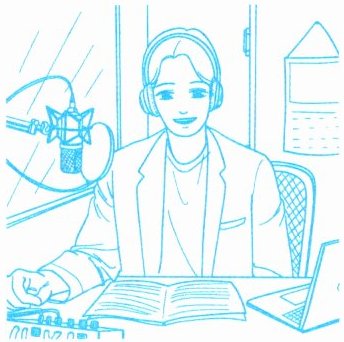
“OK, come with me,” the manager said. I sat down in the studio. He was in another room, behind a glass wall.
“OK, let’s do a sound check. Just tell me what you had for breakfast.”
All radio presenters need to answer the same question before they begin to work. The purpose is to check the sound level.
“I had eggs, fruit and some milk.”
“OK, that’s great!” the man behind the glass said.
This was how my first real job in radio began.
(
A. 4.
B. 9.
C. 12.
D. 15.
(
A. To lead into his answer.
B. To discuss a problem.
C. To explain an idea.
D. To introduce a topic.
(
A. The writer’s first real job in radio.
B. The writer’s special love for music.
C. The writer’s favourite radio programme.
D. The writer’s experience of visiting a studio.
“How old are you?” The radio manager looked down at me.
“Fifteen,” I said.
“And you want a job in radio? Shouldn’t you be at school?” he asked.
How could I explain?* I have always loved the radio. I still remember, when I was four years old, I sat close to the radio in the living room, listening to my favourite programmes and to the voices of my favourite presenters. It seemed that they were speaking not to lots of listeners but to me in person. At the age of nine, I asked for part-time jobs in small radio stations. As I grew older, my interest in radio grew. One day I learnt about internet radio. Once a week, I played my favourite music from my father’s computer, talked about life at school, and hoped someone might be listening.
Soon my friends at school started to listen, and then they wanted to help. We prepared a programme once a week, doing research on articles about music, sports news, jokes and the weather report (I did this by looking out of the window).
“OK, come with me,” the manager said. I sat down in the studio. He was in another room, behind a glass wall.
“OK, let’s do a sound check. Just tell me what you had for breakfast.”
All radio presenters need to answer the same question before they begin to work. The purpose is to check the sound level.
“I had eggs, fruit and some milk.”
“OK, that’s great!” the man behind the glass said.
This was how my first real job in radio began.
(
B
)1. How old was the writer when he first asked for part-time jobs in radio?A. 4.
B. 9.
C. 12.
D. 15.
(
A
)2. Why did the writer ask the question in Paragraph 4?A. To lead into his answer.
B. To discuss a problem.
C. To explain an idea.
D. To introduce a topic.
(
A
)3. What is the passage mainly about?A. The writer’s first real job in radio.
B. The writer’s special love for music.
C. The writer’s favourite radio programme.
D. The writer’s experience of visiting a studio.
答案
Ⅲ. 1. B 2. A 3. A
解析
【分析】
1. 第1题:先锁定题干关键词“first asked for part-time jobs in radio”,回到原文查找对应内容,找到文中“At the age of nine, I asked for part-time jobs in small radio stations.”这句话,即可确定作者当时的年龄为9岁,对应选项B。
2. 第2题:第4段的“How could I explain?”是作者的自问,作用是引出下文自己对热爱电台的经历、想法的阐述,也就是引出自己的回答,因此对应选项A。
3. 第3题:梳理文章脉络,从作者幼年对电台的喜爱,到尝试运营网络电台,再到获得第一份正式的电台工作,文章结尾“This was how my first real job in radio began.”点明核心主旨,所以文章主要讲述作者的第一份正式电台工作的由来,对应选项A。
【解析】
1. 细节理解题:根据原文“At the age of nine, I asked for part-time jobs in small radio stations.”的表述,可知作者9岁时第一次申请电台兼职工作,故选B。
2. 推理判断题:第4段的问句“How could I explain?”是作者的自问,目的是引出下文自己对热爱电台的相关经历与想法的阐述,也就是引出自己的回答,故选A。
3. 主旨大意题:文章围绕作者对电台的喜爱展开,从幼年接触电台,到尝试运营网络电台,最终获得第一份正式电台工作,结尾句点明主旨,因此文章主要讲述作者的第一份正式电台工作,故选A。
【答案】
Ⅲ. 1. B 2. A 3. A
【知识点】
细节理解题、推理判断题、主旨大意题
【点评】
这篇阅读理解围绕作者的电台工作经历展开,考查了对文章细节的定位抓取、语句作用的推理判断以及文章主旨的归纳总结,需要学生准确结合原文信息、梳理文章逻辑来解题。
【难度系数】
0.7
1. 第1题:先锁定题干关键词“first asked for part-time jobs in radio”,回到原文查找对应内容,找到文中“At the age of nine, I asked for part-time jobs in small radio stations.”这句话,即可确定作者当时的年龄为9岁,对应选项B。
2. 第2题:第4段的“How could I explain?”是作者的自问,作用是引出下文自己对热爱电台的经历、想法的阐述,也就是引出自己的回答,因此对应选项A。
3. 第3题:梳理文章脉络,从作者幼年对电台的喜爱,到尝试运营网络电台,再到获得第一份正式的电台工作,文章结尾“This was how my first real job in radio began.”点明核心主旨,所以文章主要讲述作者的第一份正式电台工作的由来,对应选项A。
【解析】
1. 细节理解题:根据原文“At the age of nine, I asked for part-time jobs in small radio stations.”的表述,可知作者9岁时第一次申请电台兼职工作,故选B。
2. 推理判断题:第4段的问句“How could I explain?”是作者的自问,目的是引出下文自己对热爱电台的相关经历与想法的阐述,也就是引出自己的回答,故选A。
3. 主旨大意题:文章围绕作者对电台的喜爱展开,从幼年接触电台,到尝试运营网络电台,最终获得第一份正式电台工作,结尾句点明主旨,因此文章主要讲述作者的第一份正式电台工作,故选A。
【答案】
Ⅲ. 1. B 2. A 3. A
【知识点】
细节理解题、推理判断题、主旨大意题
【点评】
这篇阅读理解围绕作者的电台工作经历展开,考查了对文章细节的定位抓取、语句作用的推理判断以及文章主旨的归纳总结,需要学生准确结合原文信息、梳理文章逻辑来解题。
【难度系数】
0.7
