

 登录
登录
第一节 阅读理解(每小题2分,共20分)
(A)
Your phone or computer can run out of storage(贮存), but can your brain? Scientists say a healthy brain’s memory capacity(容量) isn’t fixed or easy to use up. Elizabeth Kensinger, a professor, explains: “The brain can store lots of information. Memories help us understand the present, guess the future, and learn new things.”
In fact, the brain doesn’t store memories in just one cell. A memory spreads across many brain cells called engrams, scattered in different brain areas. Each cell is part of many memories. Think of your 12th birthday party. Balloon colours, cake taste, friends singing, and your excitement all use different brain parts—for seeing, tasting, hearing, and emotions. These parts work in a pattern to store the memory.
This way of storing memories helps a lot. Brain cells can combine in many ways, so the brain holds huge numbers of memories. If some cells get damaged, memories can still exist—they’re not in just one place. Besides, this “spread-out” way gives the brain huge memory space.
But why don’t we remember everything? The brain’s memory system is slower than life. Information comes all the time, but only a small part becomes long-term memories. Kensinger says memory is like a camera working at 10%, which means we remember about 10% of what happens.
Then what do we keep or forget? Our brains get lots of information, but we don’t need to remember it all. Scientist Lila Davachi notes: “Memory developed for survival, so we keep what helps us live.”
Kensinger adds that the brain is efficient. For similar things, like daily school trips, it stores general ideas. Only special moments, such as birthday parties or winning a competition get detailed memories. So, when you forget your coffee cup, don’t worry! Your brain isn’t out of space—it just focuses on more important things.
41.What do scientists say about a healthy brain’s memory?
A.It works like a computer’s storage.
B.Its memory space is hard to use up.
C.It mainly stores some old memories.
D.It has a fixed capacity but can store a lot.
42.What does the underlined word “scattered” in the second paragraph probably mean?
A.Spread over a wide area.
B.Kept together in one cell.
C.Fixed tightly in some cells.
D.Hidden deeply in the brain.
43.Why can memories still exist if some brain cells are damaged?
A.Damaged cells are able to fix themselves.
B.The brain can combine memories in cells.
C.Memories are stored in a number of cells.
D.The brain has huge space to store memories.
44.What makes us remember something but forget others?
A.We don’t have enough brain cells to store.
B.The brain can’t keep up with all information.
C.Most information is stored as long-term memory.
D.The brain refuses to take in some new information.
45.What kind of moments will the brain probably remember in detail?
A.Your usual morning walk to school.
B.A school play you acted in this term.
C.Every dinner you ate at home last week.
D.Where you put your old pencils yesterday.
(B)
Improve your memory-for children
Contents
✓What is memory?
✓The long and the short
✓Improving your memory
✓How you can exercise your memory
✓How some kids remember
✓Dr Kate says
What is memory?
Do you have problems remembering facts, dates in history, names of people or how to spell words that you learned the night before for a spelling test?
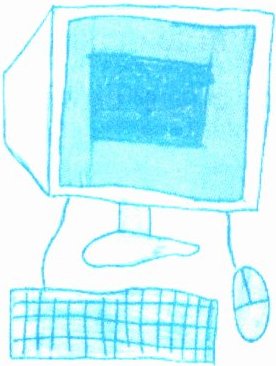
Your memory is a bit like a computer database. Your memory can only find stuff that is in its database-all of the data has to be entered and saved first.
Your memory can store facts, sounds, tastes, smells, touch sensations, what you see, and even your feelings.
Using your memory is a bit like you storing files in different folders on your computer so that you can find them more easily when you need them-or you get them in the wrong folder or you can’t remember your password, then you could be in trouble!

46.Who is the passage written for?
A.Adults. B.Parents. C.Kids. D.Teenagers.
47.How many parts are there in this passage?
A.Three. B.Four. C.Five. D.Six.
48.In the first part of the passage, what can you read about?
A.The way to improve your memory.
B.The way to store facts or feelings.
C.The introduction of what memory is like.
D.The introduction of the long-term memory.
49.Where can you most probably read this passage?
A.On the website. B.In the newspaper.
C.In a magazine. D.In a storybook.
50.What does the author want to show with the example of computer?
A.How to avoid getting into trouble.
B.Why we need to use a computer well.
C.The advantage of passwords in daily life.
D.The importance of using memory properly.
第二节 阅读填空(每小题1分,共5分)
If you want to improve your memory, there are many ways to do it.
51.______ It is helpful for you to regularly stimulate your brain to make your memory work better. You can do this by changing your daily habits and by learning new things.
52.______ Learning a new skill also helps your brain develop.
An excellent way to help with your memory is to link information with pictures. Try to make pictures in your mind. 53.______
Healthy food and plenty of vitamins are necessary for your memory to work properly. Drinking a lot of water helps, too. Also you must have enough sleep and rest. When you are asleep, your brain stores memory. Not getting enough sleep can cause problems with storing information. 54.______ Caffeine in tea and coffee can prevent sleepiness and help with concentration, but it can also cause problems with memory.
In order to concentrate well, you must be relaxed. When you try to memorize something, you should focus your attention on the most important things about it.
55.______ Keeping fit and having regular health checks are both important as well, not just for improving your memory.
A.Do not allow other thoughts to enter your mind because this may cause incorrect memories.
B.The most important methods are exercising your brain and taking special care of your health.
C.Also, being tired will stop you from concentrating well.
D.Taking notes, being organized and keeping a diary will also be useful tools.
E.For example, you could walk a different way to school or take a different bus.
(A)
Your phone or computer can run out of storage(贮存), but can your brain? Scientists say a healthy brain’s memory capacity(容量) isn’t fixed or easy to use up. Elizabeth Kensinger, a professor, explains: “The brain can store lots of information. Memories help us understand the present, guess the future, and learn new things.”
In fact, the brain doesn’t store memories in just one cell. A memory spreads across many brain cells called engrams, scattered in different brain areas. Each cell is part of many memories. Think of your 12th birthday party. Balloon colours, cake taste, friends singing, and your excitement all use different brain parts—for seeing, tasting, hearing, and emotions. These parts work in a pattern to store the memory.
This way of storing memories helps a lot. Brain cells can combine in many ways, so the brain holds huge numbers of memories. If some cells get damaged, memories can still exist—they’re not in just one place. Besides, this “spread-out” way gives the brain huge memory space.
But why don’t we remember everything? The brain’s memory system is slower than life. Information comes all the time, but only a small part becomes long-term memories. Kensinger says memory is like a camera working at 10%, which means we remember about 10% of what happens.
Then what do we keep or forget? Our brains get lots of information, but we don’t need to remember it all. Scientist Lila Davachi notes: “Memory developed for survival, so we keep what helps us live.”
Kensinger adds that the brain is efficient. For similar things, like daily school trips, it stores general ideas. Only special moments, such as birthday parties or winning a competition get detailed memories. So, when you forget your coffee cup, don’t worry! Your brain isn’t out of space—it just focuses on more important things.
41.What do scientists say about a healthy brain’s memory?
A.It works like a computer’s storage.
B.Its memory space is hard to use up.
C.It mainly stores some old memories.
D.It has a fixed capacity but can store a lot.
42.What does the underlined word “scattered” in the second paragraph probably mean?
A.Spread over a wide area.
B.Kept together in one cell.
C.Fixed tightly in some cells.
D.Hidden deeply in the brain.
43.Why can memories still exist if some brain cells are damaged?
A.Damaged cells are able to fix themselves.
B.The brain can combine memories in cells.
C.Memories are stored in a number of cells.
D.The brain has huge space to store memories.
44.What makes us remember something but forget others?
A.We don’t have enough brain cells to store.
B.The brain can’t keep up with all information.
C.Most information is stored as long-term memory.
D.The brain refuses to take in some new information.
45.What kind of moments will the brain probably remember in detail?
A.Your usual morning walk to school.
B.A school play you acted in this term.
C.Every dinner you ate at home last week.
D.Where you put your old pencils yesterday.
(B)
Improve your memory-for children
Contents
✓What is memory?
✓The long and the short
✓Improving your memory
✓How you can exercise your memory
✓How some kids remember
✓Dr Kate says
What is memory?
Do you have problems remembering facts, dates in history, names of people or how to spell words that you learned the night before for a spelling test?
Your memory is a bit like a computer database. Your memory can only find stuff that is in its database-all of the data has to be entered and saved first.
Your memory can store facts, sounds, tastes, smells, touch sensations, what you see, and even your feelings.
Using your memory is a bit like you storing files in different folders on your computer so that you can find them more easily when you need them-or you get them in the wrong folder or you can’t remember your password, then you could be in trouble!
46.Who is the passage written for?
A.Adults. B.Parents. C.Kids. D.Teenagers.
47.How many parts are there in this passage?
A.Three. B.Four. C.Five. D.Six.
48.In the first part of the passage, what can you read about?
A.The way to improve your memory.
B.The way to store facts or feelings.
C.The introduction of what memory is like.
D.The introduction of the long-term memory.
49.Where can you most probably read this passage?
A.On the website. B.In the newspaper.
C.In a magazine. D.In a storybook.
50.What does the author want to show with the example of computer?
A.How to avoid getting into trouble.
B.Why we need to use a computer well.
C.The advantage of passwords in daily life.
D.The importance of using memory properly.
第二节 阅读填空(每小题1分,共5分)
If you want to improve your memory, there are many ways to do it.
51.______ It is helpful for you to regularly stimulate your brain to make your memory work better. You can do this by changing your daily habits and by learning new things.
52.______ Learning a new skill also helps your brain develop.
An excellent way to help with your memory is to link information with pictures. Try to make pictures in your mind. 53.______
Healthy food and plenty of vitamins are necessary for your memory to work properly. Drinking a lot of water helps, too. Also you must have enough sleep and rest. When you are asleep, your brain stores memory. Not getting enough sleep can cause problems with storing information. 54.______ Caffeine in tea and coffee can prevent sleepiness and help with concentration, but it can also cause problems with memory.
In order to concentrate well, you must be relaxed. When you try to memorize something, you should focus your attention on the most important things about it.
55.______ Keeping fit and having regular health checks are both important as well, not just for improving your memory.
A.Do not allow other thoughts to enter your mind because this may cause incorrect memories.
B.The most important methods are exercising your brain and taking special care of your health.
C.Also, being tired will stop you from concentrating well.
D.Taking notes, being organized and keeping a diary will also be useful tools.
E.For example, you could walk a different way to school or take a different bus.
答案
41.B 42.A 43.C 44.B 45.B 46.C 47.D 48.C 49.A 50.D 51.B 52.E 53.D 54.C 55.A
