

 登录
登录
二、完形填空(10 分)
Hi, I'm Reagan Bischoff, aged 15, created a video channel called Throw Lefite. On it, I 1 solutions(策略) to everyday tasks that are more difficult because of my cerebral palsy (脑瘫).
My brain has 2 talking to my muscles(肌肉). It causes me to not feel my hand and foot completely on my left side. There are many things that are 3 for me, like putting my hair in a ponytail, putting in earrings, tying shoes, and cutting food. My mom taught me a phrase: "I will try, 4 I might need help." I still get discouraged when I can't do something, but I always decided to 5 it.
As I became more independent(独立的), I would search for new ways to do things that were difficult. I realized many people had the same 6 and that these solutions could help them too. The video channel allows me to share what I've discovered.
When I play lacrosse(长曲棍球), my coaches would always tell me, "Throw leftie, throw leftie!" But I couldn't. So I found a way to play lacrosse by playing goalie. I don't have to run as 7 in that position, but it lets me do something I 8.
Many parents who watched my channel asked if their daughters could meet me because they don't know anyone else who has cerebral palsy. It's hard to feel like no one understands you. Once a month, I invite about 26 girls to calls. Sometimes we talk about things that are hard and get 9 from each other. Other times we chat about school and things we like doing. Sometimes it's nice to not talk about our 10 and find other things we have in common.
Reagan's Challenge for YOU
Put one hand behind you back. Now try opening a backpack or tying your shoes. What solutions can you come up with?
()1. A. risk
B. find
C. share
D. avoid
()2. A. trouble
B. pleasure
C. success
D. fun
()3. A. boring
B. interesting
C. easy
D. hard
()4. A. and
B. but
C. so
D. or
()5. A. solve
B. present
C. forget
D. record
()6. A. businesses
B. backgrounds
C. challenges
D. changes
()7. A. much
B. many
C. little
D. few
()8. A. miss
B. invent
C. hate
D. love
()9. A. choice
B. advice
C. information
D. sadness
()10. A. dislike
B. discovery
C. disability
D. disadvantage
Hi, I'm Reagan Bischoff, aged 15, created a video channel called Throw Lefite. On it, I 1 solutions(策略) to everyday tasks that are more difficult because of my cerebral palsy (脑瘫).
My brain has 2 talking to my muscles(肌肉). It causes me to not feel my hand and foot completely on my left side. There are many things that are 3 for me, like putting my hair in a ponytail, putting in earrings, tying shoes, and cutting food. My mom taught me a phrase: "I will try, 4 I might need help." I still get discouraged when I can't do something, but I always decided to 5 it.
As I became more independent(独立的), I would search for new ways to do things that were difficult. I realized many people had the same 6 and that these solutions could help them too. The video channel allows me to share what I've discovered.
When I play lacrosse(长曲棍球), my coaches would always tell me, "Throw leftie, throw leftie!" But I couldn't. So I found a way to play lacrosse by playing goalie. I don't have to run as 7 in that position, but it lets me do something I 8.
Many parents who watched my channel asked if their daughters could meet me because they don't know anyone else who has cerebral palsy. It's hard to feel like no one understands you. Once a month, I invite about 26 girls to calls. Sometimes we talk about things that are hard and get 9 from each other. Other times we chat about school and things we like doing. Sometimes it's nice to not talk about our 10 and find other things we have in common.
Reagan's Challenge for YOU
Put one hand behind you back. Now try opening a backpack or tying your shoes. What solutions can you come up with?
()1. A. risk
B. find
C. share
D. avoid
()2. A. trouble
B. pleasure
C. success
D. fun
()3. A. boring
B. interesting
C. easy
D. hard
()4. A. and
B. but
C. so
D. or
()5. A. solve
B. present
C. forget
D. record
()6. A. businesses
B. backgrounds
C. challenges
D. changes
()7. A. much
B. many
C. little
D. few
()8. A. miss
B. invent
C. hate
D. love
()9. A. choice
B. advice
C. information
D. sadness
()10. A. dislike
B. discovery
C. disability
D. disadvantage
答案
CADBACADBC
解析
1. 视频频道用于分享策略,选C;2. 脑瘫导致大脑与肌肉沟通困难,“have trouble doing”固定搭配,选A;3. 举例为困难的事,选D;4. “尝试”与“需要帮助”转折,选B;5. 不能做某事时决定解决,选A;6. 很多人有相同挑战,选C;7. run用much修饰,选A;8. 做喜欢的事,选D;9. 谈论困难互相获得建议,选B;10. 不谈论残疾,选C。
三、阅读理解(16 分)
A
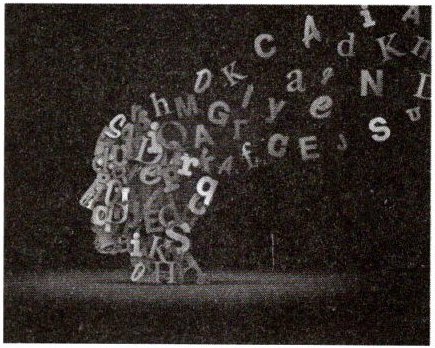
The days of having a dictionary on your bookshelf are numbered. But that's OK,because everyone already walks around with a dictionary—not the one on your bookshelf or on your phone, but the one in your head.
Just like a physical dictionary, your mental (心理的) dictionary contains information about words. This includes the letters, sounds and meanings of words,as well as information about parts of speech and how you can fit words together to form grammatical sentences. Your mental dictionary is also like a thesaurus. It can help you connect words and see how they might be similar in meaning,sound or spelling.
Language is part of what makes humans special. While a physical dictionary is helpful for shared knowledge,your personal mental dictionary is based on your own experiences. What words are in your mental dictionary might overlap(重叠) with the mental dictionary of someone else who also speaks the same language,but there will also be a lot of differences between the content of your dictionaries.
You add words to your mental dictionary through your educational,cultural and other life experiences. It also means that the size of mental dictionaries is a little bit different from person to person and it changes by age. Researchers found that the average 20-year-old American English speaker knows about 42,000 words,and this number grows to about 48,000 by age 60. Some people will have even larger vocabularies(词汇).
However,your mental dictionary can't be like a physical dictionary since it is dynamic(动态的) and quickly accessed. Your brain's ability to retrieve a word is very fast. In one study,researchers mapped the time course of word retrieval among 24 college students by recording their brain activity while they named pictures. They found evidence that the students in this research chose words within 200 milliseconds of seeing the image. After that,their brain continued to deal with information about that word,like what sounds are needed to say that chosen word and ignoring(忽略) related words.
Until… you have a breakdown in word retrieval. One common failure in word retrieval is called the tip-of-the-tongue phenomenon(舌尖现象). It's the feeling when you know what word you want to use but are unable to find it in that moment. These tip-of-the-tongue experiences are a normal part of human language experience,and they increase as you grow older. Luckily,there are treatments that can help someone improve their word-retrieval abilities.
The next time you have a conversation with someone,take a moment to think about why you chose the specific words you did. Remember that the words you use and the mental dictionary you have are part of what make you and your voice unique.
()1. How is the passage developed?
A. Bylisting ideas.
B. By presenting reasons.
C. By giving examples.
D. By making comparisons.
()2. Which of the following has the closest meaning to the underlined word "retrieve" ?
A. search for
B. think of
C. connect to
D. work out
()3. The following sentence can best go after .
This is why you can retrieve words with such speed in real-time conversations,often so quickly that you give little attention to that process.
A. Paragraph 3
B. Paragraph 4
C. Paragraph 5
D. Paragraph 6
()4. What can we infer from the passage?
A. Young people experience few "tip-of-the-tongue" moments.
B. Mental dictionaries will take the place of printed dictionaries.
C. A person's vocabulary continues to grow but not as fast after 60.
D. The size of a mental dictionary depends on people's vocabularies.
A
The days of having a dictionary on your bookshelf are numbered. But that's OK,because everyone already walks around with a dictionary—not the one on your bookshelf or on your phone, but the one in your head.
Just like a physical dictionary, your mental (心理的) dictionary contains information about words. This includes the letters, sounds and meanings of words,as well as information about parts of speech and how you can fit words together to form grammatical sentences. Your mental dictionary is also like a thesaurus. It can help you connect words and see how they might be similar in meaning,sound or spelling.
Language is part of what makes humans special. While a physical dictionary is helpful for shared knowledge,your personal mental dictionary is based on your own experiences. What words are in your mental dictionary might overlap(重叠) with the mental dictionary of someone else who also speaks the same language,but there will also be a lot of differences between the content of your dictionaries.
You add words to your mental dictionary through your educational,cultural and other life experiences. It also means that the size of mental dictionaries is a little bit different from person to person and it changes by age. Researchers found that the average 20-year-old American English speaker knows about 42,000 words,and this number grows to about 48,000 by age 60. Some people will have even larger vocabularies(词汇).
However,your mental dictionary can't be like a physical dictionary since it is dynamic(动态的) and quickly accessed. Your brain's ability to retrieve a word is very fast. In one study,researchers mapped the time course of word retrieval among 24 college students by recording their brain activity while they named pictures. They found evidence that the students in this research chose words within 200 milliseconds of seeing the image. After that,their brain continued to deal with information about that word,like what sounds are needed to say that chosen word and ignoring(忽略) related words.
Until… you have a breakdown in word retrieval. One common failure in word retrieval is called the tip-of-the-tongue phenomenon(舌尖现象). It's the feeling when you know what word you want to use but are unable to find it in that moment. These tip-of-the-tongue experiences are a normal part of human language experience,and they increase as you grow older. Luckily,there are treatments that can help someone improve their word-retrieval abilities.
The next time you have a conversation with someone,take a moment to think about why you chose the specific words you did. Remember that the words you use and the mental dictionary you have are part of what make you and your voice unique.
()1. How is the passage developed?
A. Bylisting ideas.
B. By presenting reasons.
C. By giving examples.
D. By making comparisons.
()2. Which of the following has the closest meaning to the underlined word "retrieve" ?
A. search for
B. think of
C. connect to
D. work out
()3. The following sentence can best go after .
This is why you can retrieve words with such speed in real-time conversations,often so quickly that you give little attention to that process.
A. Paragraph 3
B. Paragraph 4
C. Paragraph 5
D. Paragraph 6
()4. What can we infer from the passage?
A. Young people experience few "tip-of-the-tongue" moments.
B. Mental dictionaries will take the place of printed dictionaries.
C. A person's vocabulary continues to grow but not as fast after 60.
D. The size of a mental dictionary depends on people's vocabularies.
答案
1. D
2. B
3. C
4. A
2. B
3. C
4. A
