

 登录
登录
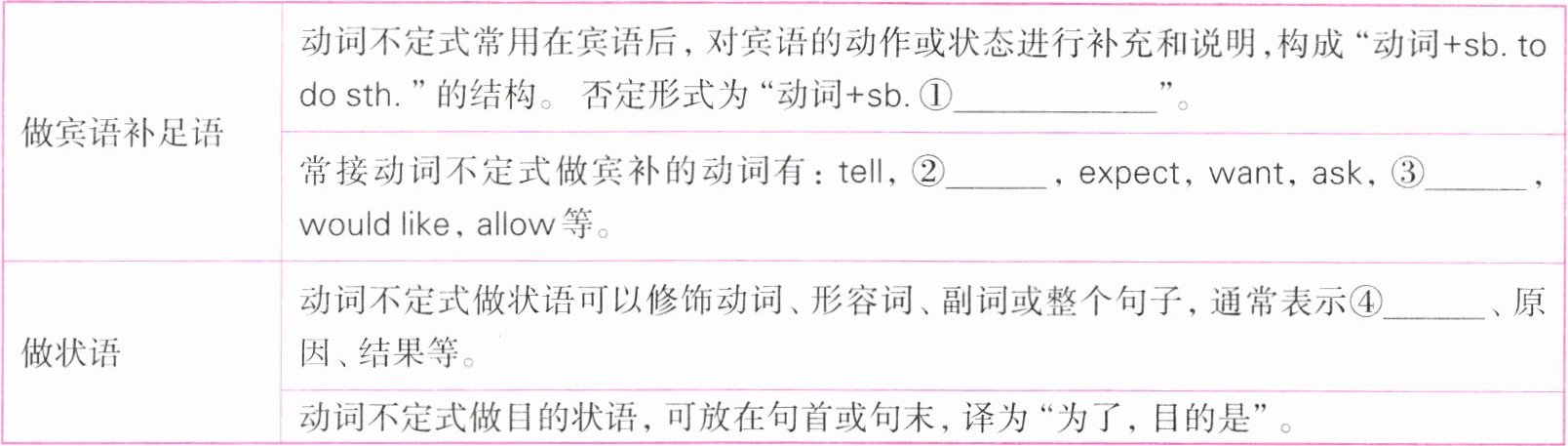
1. 你知道不定式的功能和用法吗?一起来看一看吧。
Fu Xing encouraged Emma to try ice skating again. 傅星鼓励艾玛再尝试一次滑冰。
My parents asked me not to stay up late. 我的父母要求我不要熬夜。
I love sport, and I often meet my friends to play football and tennis.
我热爱运动,并且经常和朋友聚在一起踢足球和打网球。
To stay healthy, he never eats junk food. 为了保持健康,他从不吃垃圾食物。
总结: 通过例句,你能试着小结一下不定式的用法吗?
【即学即练】根据语篇内容,用所给词的适当形式填空。
take play watch to have
Last weekend, I had a great time with my friends. In the morning, we decided to go
to the park. My mother asked me (1) an umbrella in case it rained. (2)
have more fun, we also brought a football. When we got to the park, we saw some kids
flying kites. We stopped (3) them for a while. Then, we started
to play football. One of my friends, Tom, is really good at it. He taught
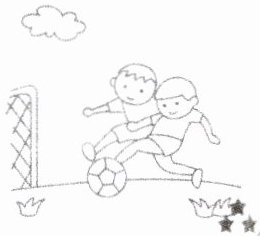
me (4) it better. After playing football for an hour, we felt a bit
tired. So we sat on the grass (5) a rest. It was a wonderful
weekend full of joy and relaxation.
Fu Xing encouraged Emma to try ice skating again. 傅星鼓励艾玛再尝试一次滑冰。
My parents asked me not to stay up late. 我的父母要求我不要熬夜。
I love sport, and I often meet my friends to play football and tennis.
我热爱运动,并且经常和朋友聚在一起踢足球和打网球。
To stay healthy, he never eats junk food. 为了保持健康,他从不吃垃圾食物。
总结: 通过例句,你能试着小结一下不定式的用法吗?
【即学即练】根据语篇内容,用所给词的适当形式填空。
take play watch to have
Last weekend, I had a great time with my friends. In the morning, we decided to go
to the park. My mother asked me (1) an umbrella in case it rained. (2)
have more fun, we also brought a football. When we got to the park, we saw some kids
flying kites. We stopped (3) them for a while. Then, we started
to play football. One of my friends, Tom, is really good at it. He taught
me (4) it better. After playing football for an hour, we felt a bit
tired. So we sat on the grass (5) a rest. It was a wonderful
weekend full of joy and relaxation.
答案
总结部分:
① not to do sth.
② encourage
③ teach
④ 目的
即学即练:
(1) to take
(2) To
(3) to watch
(4) to play
(5) to have
① not to do sth.
② encourage
③ teach
④ 目的
即学即练:
(1) to take
(2) To
(3) to watch
(4) to play
(5) to have
解析
总结部分:
1. 动词不定式做宾语补足语的否定形式,根据例句"My parents asked me not to stay up late",可知结构为“动词+sb. not to do sth.”;
2. 常接不定式做宾补的动词,结合例句和常见搭配,encourage、teach属于这类动词;
3. 动词不定式做状语,通常可表示目的、原因、结果等,其中目的状语可放句首或句末。
即学即练部分:
1. (1) 考查固定搭配ask sb. to do sth.,意为“要求某人做某事”,故填to take;
2. (2) 用不定式To引导目的状语,表“为了”,句首首字母大写;
3. (3) stop to do sth.表示“停下当前动作去做另一件事”,此处是停下赶路的动作去看孩子们放风筝,故填to watch;
4. (4) 考查固定搭配teach sb. to do sth.,意为“教某人做某事”,故填to play;
5. (5) 用不定式to have表目的,坐在草地上是为了休息,故填to have。
1. 动词不定式做宾语补足语的否定形式,根据例句"My parents asked me not to stay up late",可知结构为“动词+sb. not to do sth.”;
2. 常接不定式做宾补的动词,结合例句和常见搭配,encourage、teach属于这类动词;
3. 动词不定式做状语,通常可表示目的、原因、结果等,其中目的状语可放句首或句末。
即学即练部分:
1. (1) 考查固定搭配ask sb. to do sth.,意为“要求某人做某事”,故填to take;
2. (2) 用不定式To引导目的状语,表“为了”,句首首字母大写;
3. (3) stop to do sth.表示“停下当前动作去做另一件事”,此处是停下赶路的动作去看孩子们放风筝,故填to watch;
4. (4) 考查固定搭配teach sb. to do sth.,意为“教某人做某事”,故填to play;
5. (5) 用不定式to have表目的,坐在草地上是为了休息,故填to have。
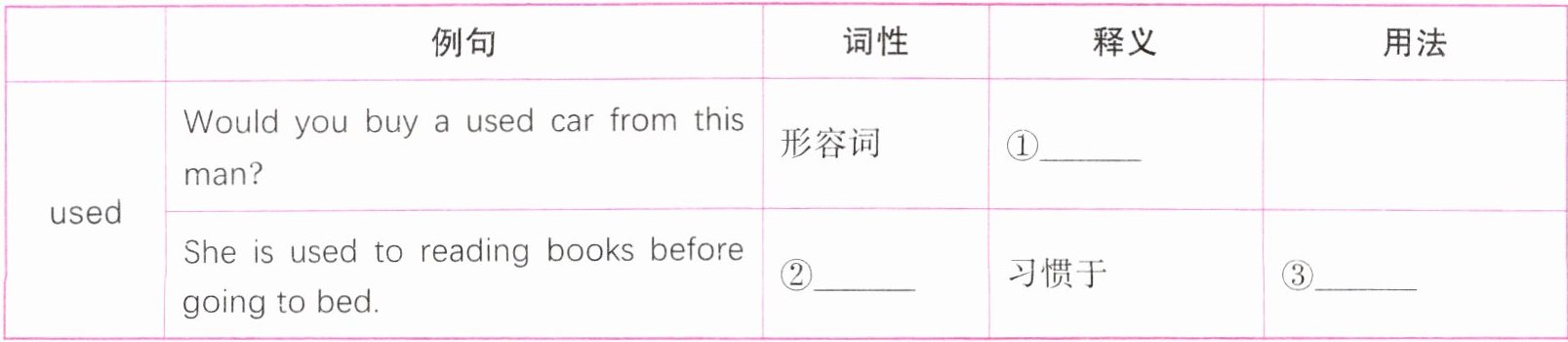
2. 我们一起来看看"used"这个词有哪些用法吧。
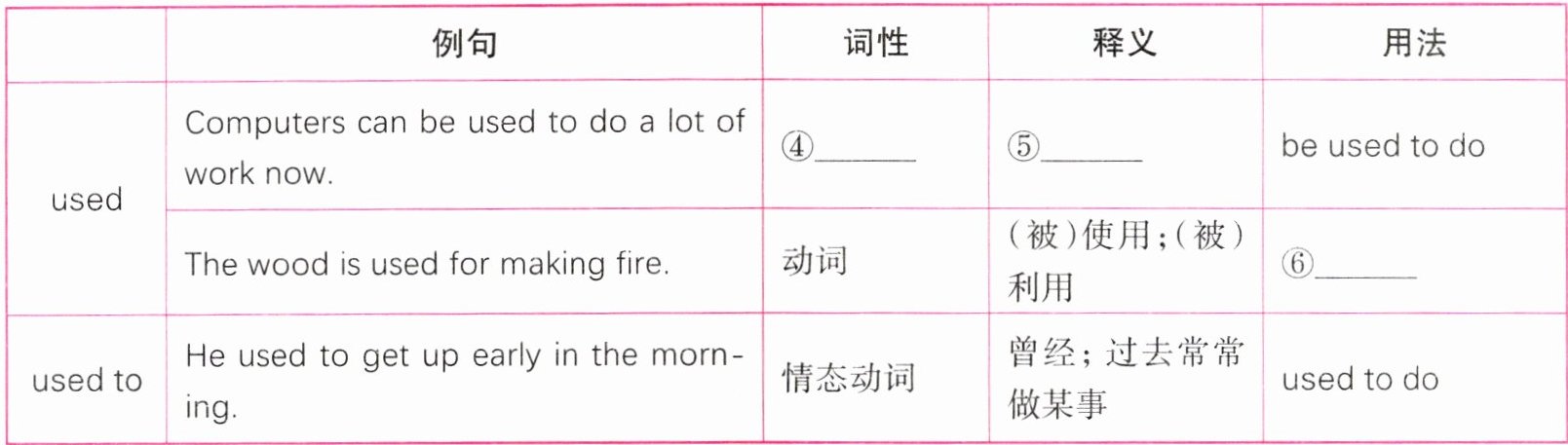
(续表)
【即学即练】根据语境,用used的相关形式填空,使短文通顺。
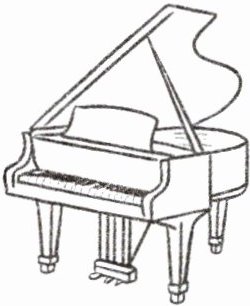
My father was a piano teacher. He had an old piano that (1)
(be) his important teaching tool. It (2) (help) students keep the
rhythm while playing the piano. After my father retired, he
still kept that old piano. It (3) (remind) him of his teaching days.
He (4) (look) at it and thinking about the students he taught in
the past. The (5) piano is still important to him, even though he
no longer teaches the piano.
(续表)
【即学即练】根据语境,用used的相关形式填空,使短文通顺。
My father was a piano teacher. He had an old piano that (1)
(be) his important teaching tool. It (2) (help) students keep the
rhythm while playing the piano. After my father retired, he
still kept that old piano. It (3) (remind) him of his teaching days.
He (4) (look) at it and thinking about the students he taught in
the past. The (5) piano is still important to him, even though he
no longer teaches the piano.
答案
表格填空
① 用过的;二手的
② 形容词
③ be used to doing sth.
④ 动词(过去分词)
⑤ (被)使用;(被)利用
⑥ be used for doing sth.
即学即练
(1) used to be
(2) used to help
(3) is used to remind
(4) is used to looking
(5) used
① 用过的;二手的
② 形容词
③ be used to doing sth.
④ 动词(过去分词)
⑤ (被)使用;(被)利用
⑥ be used for doing sth.
即学即练
(1) used to be
(2) used to help
(3) is used to remind
(4) is used to looking
(5) used
解析
一、used的用法梳理
1. 作形容词:修饰名词,意为“用过的;二手的”,如例句中的"used car"。
2. 构成固定搭配be used to doing sth.:此时used为形容词,意为“习惯于”,后接动词-ing形式。
3. 作动词(被动语态):
be used to do sth.:意为“(被)使用;(被)利用”,表示某物被用来做某事;
be used for doing sth.:同样意为“(被)使用;(被)利用”,后接动词-ing形式。
4. used to do sth.:used作情态动词,意为“曾经;过去常常做某事”,后接动词原形。
二、即学即练解题思路
(1) 语境表示“钢琴过去是父亲的重要教学工具”,用`used to do`(过去曾经)结构,故填`used to be`。
(2) 语境表示“过去钢琴常常帮助学生把握节奏”,用`used to do`(过去常常)结构,故填`used to help`。
(3) 语境表示“钢琴被用来让父亲想起教学时光”,用`be used to do sth.`(被用来做某事)结构,主语it是第三人称单数,一般现在时,故填`is used to remind`。
(4) 语境表示“父亲习惯于看着钢琴回想过去的学生”,用`be used to doing sth.`(习惯于做某事)结构,主语he是第三人称单数,且and连接的thinking是动名词,故填`is used to looking`。
(5) 修饰名词piano,用形容词used,意为“用过的;旧的”,故填`used`。
1. 作形容词:修饰名词,意为“用过的;二手的”,如例句中的"used car"。
2. 构成固定搭配be used to doing sth.:此时used为形容词,意为“习惯于”,后接动词-ing形式。
3. 作动词(被动语态):
be used to do sth.:意为“(被)使用;(被)利用”,表示某物被用来做某事;
be used for doing sth.:同样意为“(被)使用;(被)利用”,后接动词-ing形式。
4. used to do sth.:used作情态动词,意为“曾经;过去常常做某事”,后接动词原形。
二、即学即练解题思路
(1) 语境表示“钢琴过去是父亲的重要教学工具”,用`used to do`(过去曾经)结构,故填`used to be`。
(2) 语境表示“过去钢琴常常帮助学生把握节奏”,用`used to do`(过去常常)结构,故填`used to help`。
(3) 语境表示“钢琴被用来让父亲想起教学时光”,用`be used to do sth.`(被用来做某事)结构,主语it是第三人称单数,一般现在时,故填`is used to remind`。
(4) 语境表示“父亲习惯于看着钢琴回想过去的学生”,用`be used to doing sth.`(习惯于做某事)结构,主语he是第三人称单数,且and连接的thinking是动名词,故填`is used to looking`。
(5) 修饰名词piano,用形容词used,意为“用过的;旧的”,故填`used`。
