

 登录
B
Dear Mike,
My good friend always asks me to copy my schoolwork. I don't want to share it, but I don't want to hurt her feelings. What should I do?
Lisa
Dear Lisa,
You are right about not wanting to give your friend your answers. She has to learn how to work hard to find answers by herself. And if your teacher finds out that she copied from you, both of you may get in trouble.
When I was still in school, I got good grades quite often. My classmates knew this and often asked me to help them cheat. But I refused. Instead, I offered to help them with their studies and talked with them about how to make progress. Some of them thanked me for this.
Ask your friend if she'd like to study with you. You can show her how you work and help her develop good study habits. This way, she will learn to become a better student, and you'll help her as well.
Mike
(
A. To say sorry to him.
B. To hurt his feelings.
C. To ask for his advice.
D. To copy his schoolwork.
(
A. By asking Lisa questions.
B. By telling a story about his teacher.
C. By discussing it with Lisa.
D. By sharing his experience.
(
A. Should we care about friend's feelings?
B. How can we offer and copy homework?
C. How can people make friends?
D. How can true friends help solve schoolwork problems?
Dear Mike,
My good friend always asks me to copy my schoolwork. I don't want to share it, but I don't want to hurt her feelings. What should I do?
Lisa
Dear Lisa,
You are right about not wanting to give your friend your answers. She has to learn how to work hard to find answers by herself. And if your teacher finds out that she copied from you, both of you may get in trouble.
When I was still in school, I got good grades quite often. My classmates knew this and often asked me to help them cheat. But I refused. Instead, I offered to help them with their studies and talked with them about how to make progress. Some of them thanked me for this.
Ask your friend if she'd like to study with you. You can show her how you work and help her develop good study habits. This way, she will learn to become a better student, and you'll help her as well.
Mike
(
C
) 59. Why does Lisa write to Mike?A. To say sorry to him.
B. To hurt his feelings.
C. To ask for his advice.
D. To copy his schoolwork.
(
D
) 60. How does Mike give his advice?A. By asking Lisa questions.
B. By telling a story about his teacher.
C. By discussing it with Lisa.
D. By sharing his experience.
(
D
) 61. Which question could best help us find out the writer's purpose?A. Should we care about friend's feelings?
B. How can we offer and copy homework?
C. How can people make friends?
D. How can true friends help solve schoolwork problems?
答案
59. C 60. D 61. D
C
Rich or poor, young or old, we all have problems. We can easily become unhappy unless we solve our problems. Worrying about our problems can affect how we do things at school or at home. So how do we deal with our problems?
Most of us have probably been angry with our friends, parents or teachers. Sometimes, people can stay angry for years about a small problem. Time goes by, and good friendship may be lost. Then what should we do? As we all know, we are usually the ones affected
when we are angry. Have you ever seen young children playing together? They might fight, and decide not to talk to each other. However, this usually doesn’t last long. They become good friends again. This is an important lesson to us.
We can solve a problem by learning to forget. Many students often complain about school. They might feel they have too much work to do, or think the rules are too strict. We must learn how to change these “problems” into “challenges”. It is our duty to try our best to deal with challenges with the help of our teachers.
By comparing ourselves to other people, we will find out our problems are not so terrible. Think about Stephen Hawking, for example, a very clever scientist. He couldn’t walk or even speak, but he regarded (看待) his many physical problems as unimportant. Now he’s known across the world as a great scientist.
Don’t worry about your problems. Let’s face challenges with courage instead.
(
A. His friends.
B. His family.
C. His deskmate.
D. Jack.
(
A. The problems we often have.
B. The way to deal with problems.
C. The reason why students deal with problems.
D. The secret to becoming a scientist.
(
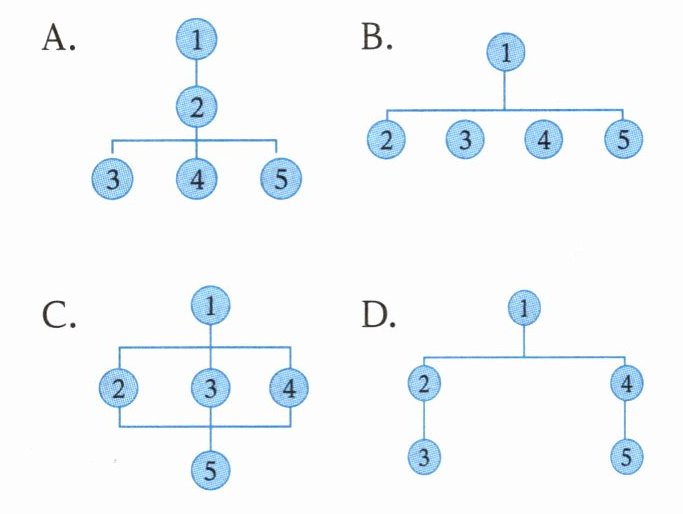
(
A. How do we get along well with others?
B. How do we deal with problems?
C. How do we become better students?
D. How can we be successful?
Rich or poor, young or old, we all have problems. We can easily become unhappy unless we solve our problems. Worrying about our problems can affect how we do things at school or at home. So how do we deal with our problems?
Most of us have probably been angry with our friends, parents or teachers. Sometimes, people can stay angry for years about a small problem. Time goes by, and good friendship may be lost. Then what should we do? As we all know, we are usually the ones affected
when we are angry. Have you ever seen young children playing together? They might fight, and decide not to talk to each other. However, this usually doesn’t last long. They become good friends again. This is an important lesson to us.
We can solve a problem by learning to forget. Many students often complain about school. They might feel they have too much work to do, or think the rules are too strict. We must learn how to change these “problems” into “challenges”. It is our duty to try our best to deal with challenges with the help of our teachers.
By comparing ourselves to other people, we will find out our problems are not so terrible. Think about Stephen Hawking, for example, a very clever scientist. He couldn’t walk or even speak, but he regarded (看待) his many physical problems as unimportant. Now he’s known across the world as a great scientist.
Don’t worry about your problems. Let’s face challenges with courage instead.
(
D
) 62. When Jack is angry, who may be affected?A. His friends.
B. His family.
C. His deskmate.
D. Jack.
(
B
) 63. What does Paragraph 4 tell us?A. The problems we often have.
B. The way to deal with problems.
C. The reason why students deal with problems.
D. The secret to becoming a scientist.
(
C
) 64. What’s the structure (结构) of the passage?(
B
) 65. What’s the best title for the passage?A. How do we get along well with others?
B. How do we deal with problems?
C. How do we become better students?
D. How can we be successful?
答案
62. D 63. B 64. C 65. B
