

 登录
登录
任务驱动 2 绘小报,晒礼仪知识
1. 小组合作,收集至少3个其他国家的独特问候方式,并制作文化小报。小报中需包含"问候方式描述""文化内涵"等版块。
2. 小组派代表上台用英文陈述小报中的内容,然后全班一起评选出"礼仪小达人"。
1. 小组合作,收集至少3个其他国家的独特问候方式,并制作文化小报。小报中需包含"问候方式描述""文化内涵"等版块。
2. 小组派代表上台用英文陈述小报中的内容,然后全班一起评选出"礼仪小达人"。
答案
小报内容及英文陈述示例:
1. 日本——鞠躬礼
问候方式描述:见面时双手自然垂于身侧,弯腰鞠躬,弯腰幅度越大敬意越深,初次见面一般鞠躬30度,致谢或致歉时鞠躬45度。
文化内涵:日本是重礼仪、讲等级的国家,鞠躬礼体现谦逊与尊重,是维系社会秩序与人际关系的重要礼仪。
英文陈述:In Japan, people greet each other by bowing. When meeting, they put hands by their sides and bend the waist. The deeper the bow, the more respect they show. Usually, they bow 30 degrees for the first meeting, and 45 degrees when saying thanks or sorry. Bowing shows modesty and respect, which is important for keeping social order and good relationships in Japan.
2. 新西兰毛利族——碰鼻礼(Hongi)
问候方式描述:见面时双方额头相碰、鼻子紧贴,同时闭眼停留几秒,有时会搭配轻拥抱。
文化内涵:毛利人认为碰鼻礼是交换“生命之气”的方式,代表彼此接纳、共享精神,是毛利族最神圣的问候礼仪,多用于重要场合或迎接贵客。
英文陈述:In New Zealand, Maori people use Hongi to greet others. When they meet, they touch foreheads and press noses together, closing eyes for a few seconds. Sometimes they hug gently too. Maori people think Hongi is a way to exchange "the breath of life", meaning accepting each other and sharing spirits. It's the most sacred greeting for Maori, used in important times or when welcoming honored guests.
3. 泰国——合十礼(Wai)
问候方式描述:双手合十举至胸前或额头,对长辈、尊者举到额头,平辈则举到胸前,同时微微低头。
文化内涵:合十礼源于佛教文化,体现对他人的尊敬与友善,泰国是佛教国家,该礼仪融入日常,是表达礼貌与感恩的重要方式。
英文陈述:In Thailand, people greet with Wai. They put palms together and raise them to the chest or forehead. They raise to the forehead for elders or respected people, and to the chest for peers, while bowing a little. Wai comes from Buddhist culture, showing respect and friendliness. Thailand is a Buddhist country, and this etiquette is part of daily life, a good way to be polite and grateful.
1. 日本——鞠躬礼
问候方式描述:见面时双手自然垂于身侧,弯腰鞠躬,弯腰幅度越大敬意越深,初次见面一般鞠躬30度,致谢或致歉时鞠躬45度。
文化内涵:日本是重礼仪、讲等级的国家,鞠躬礼体现谦逊与尊重,是维系社会秩序与人际关系的重要礼仪。
英文陈述:In Japan, people greet each other by bowing. When meeting, they put hands by their sides and bend the waist. The deeper the bow, the more respect they show. Usually, they bow 30 degrees for the first meeting, and 45 degrees when saying thanks or sorry. Bowing shows modesty and respect, which is important for keeping social order and good relationships in Japan.
2. 新西兰毛利族——碰鼻礼(Hongi)
问候方式描述:见面时双方额头相碰、鼻子紧贴,同时闭眼停留几秒,有时会搭配轻拥抱。
文化内涵:毛利人认为碰鼻礼是交换“生命之气”的方式,代表彼此接纳、共享精神,是毛利族最神圣的问候礼仪,多用于重要场合或迎接贵客。
英文陈述:In New Zealand, Maori people use Hongi to greet others. When they meet, they touch foreheads and press noses together, closing eyes for a few seconds. Sometimes they hug gently too. Maori people think Hongi is a way to exchange "the breath of life", meaning accepting each other and sharing spirits. It's the most sacred greeting for Maori, used in important times or when welcoming honored guests.
3. 泰国——合十礼(Wai)
问候方式描述:双手合十举至胸前或额头,对长辈、尊者举到额头,平辈则举到胸前,同时微微低头。
文化内涵:合十礼源于佛教文化,体现对他人的尊敬与友善,泰国是佛教国家,该礼仪融入日常,是表达礼貌与感恩的重要方式。
英文陈述:In Thailand, people greet with Wai. They put palms together and raise them to the chest or forehead. They raise to the forehead for elders or respected people, and to the chest for peers, while bowing a little. Wai comes from Buddhist culture, showing respect and friendliness. Thailand is a Buddhist country, and this etiquette is part of daily life, a good way to be polite and grateful.
解析
【分析】
本题为实践类跨文化任务,解题思路如下:1. 选取3个非中国的、具有独特文化标识的国家问候礼仪,确保覆盖不同文化背景;2. 细化每个问候的具体动作描述(如鞠躬幅度、碰鼻细节等);3. 挖掘礼仪背后的文化根源(如宗教、社会观念、民族传统);4. 准备符合英文表达习惯的对应陈述,最后整合内容完成小报并准备展示。
【解析】
选取日本鞠躬礼、新西兰毛利族碰鼻礼(Hongi)、泰国合十礼(Wai)三个国家的独特问候礼仪,具体内容如下:
1. 日本——鞠躬礼
问候方式描述:见面时双手自然垂于身侧,弯腰鞠躬,弯腰幅度越大敬意越深,初次见面一般鞠躬30度,致谢或致歉时鞠躬45度。
文化内涵:日本是重礼仪、讲等级的国家,鞠躬礼体现谦逊与尊重,是维系社会秩序与人际关系的重要礼仪。
英文陈述:In Japan, people greet each other by bowing. When meeting, they put hands by their sides and bend the waist. The deeper the bow, the more respect they show. Usually, they bow 30 degrees for the first meeting, and 45 degrees when saying thanks or sorry. Bowing shows modesty and respect, which is important for keeping social order and good relationships in Japan.
2. 新西兰毛利族——碰鼻礼(Hongi)
问候方式描述:见面时双方额头相碰、鼻子紧贴,同时闭眼停留几秒,有时会搭配轻拥抱。
文化内涵:毛利人认为碰鼻礼是交换“生命之气”的方式,代表彼此接纳、共享精神,是毛利族最神圣的问候礼仪,多用于重要场合或迎接贵客。
英文陈述:In New Zealand, Maori people use Hongi to greet others. When they meet, they touch foreheads and press noses together, closing eyes for a few seconds. Sometimes they hug gently too. Maori people think Hongi is a way to exchange "the breath of life", meaning accepting each other and sharing spirits. It's the most sacred greeting for Maori, used in important times or when welcoming honored guests.
3. 泰国——合十礼(Wai)
问候方式描述:双手合十举至胸前或额头,对长辈、尊者举到额头,平辈则举到胸前,同时微微低头。
文化内涵:合十礼源于佛教文化,体现对他人的尊敬与友善,泰国是佛教国家,该礼仪融入日常,是表达礼貌与感恩的重要方式。
英文陈述:In Thailand, people greet with Wai. They put palms together and raise them to the chest or forehead. They raise to the forehead for elders or respected people, and to the chest for peers, while bowing a little. Wai comes from Buddhist culture, showing respect and friendliness. Thailand is a Buddhist country, and this etiquette is part of daily life, a good way to be polite and grateful.
【答案】
小报内容及英文陈述示例:
1. 日本——鞠躬礼
问候方式描述:见面时双手自然垂于身侧,弯腰鞠躬,弯腰幅度越大敬意越深,初次见面一般鞠躬30度,致谢或致歉时鞠躬45度。
文化内涵:日本是重礼仪、讲等级的国家,鞠躬礼体现谦逊与尊重,是维系社会秩序与人际关系的重要礼仪。
英文陈述:In Japan, people greet each other by bowing. When meeting, they put hands by their sides and bend the waist. The deeper the bow, the more respect they show. Usually, they bow 30 degrees for the first meeting, and 45 degrees when saying thanks or sorry. Bowing shows modesty and respect, which is important for keeping social order and good relationships in Japan.
2. 新西兰毛利族——碰鼻礼(Hongi)
问候方式描述:见面时双方额头相碰、鼻子紧贴,同时闭眼停留几秒,有时会搭配轻拥抱。
文化内涵:毛利人认为碰鼻礼是交换“生命之气”的方式,代表彼此接纳、共享精神,是毛利族最神圣的问候礼仪,多用于重要场合或迎接贵客。
英文陈述:In New Zealand, Maori people use Hongi to greet others. When they meet, they touch foreheads and press noses together, closing eyes for a few seconds. Sometimes they hug gently too. Maori people think Hongi is a way to exchange "the breath of life", meaning accepting each other and sharing spirits. It's the most sacred greeting for Maori, used in important times or when welcoming honored guests.
3. 泰国——合十礼(Wai)
问候方式描述:双手合十举至胸前或额头,对长辈、尊者举到额头,平辈则举到胸前,同时微微低头。
文化内涵:合十礼源于佛教文化,体现对他人的尊敬与友善,泰国是佛教国家,该礼仪融入日常,是表达礼貌与感恩的重要方式。
英文陈述:In Thailand, people greet with Wai. They put palms together and raise them to the chest or forehead. They raise to the forehead for elders or respected people, and to the chest for peers, while bowing a little. Wai comes from Buddhist culture, showing respect and friendliness. Thailand is a Buddhist country, and this etiquette is part of daily life, a good way to be polite and grateful.
【知识点】
跨文化交际、礼仪文化、英文应用
【点评】
本题为实践型跨文化学习任务,通过小组合作收集整理不同国家的独特问候礼仪,既锻炼学生的文化探究与资料整合能力,又提升英文表达能力,有助于学生理解文化多样性,树立尊重多元文化的意识。
【难度系数】
0.5
本题为实践类跨文化任务,解题思路如下:1. 选取3个非中国的、具有独特文化标识的国家问候礼仪,确保覆盖不同文化背景;2. 细化每个问候的具体动作描述(如鞠躬幅度、碰鼻细节等);3. 挖掘礼仪背后的文化根源(如宗教、社会观念、民族传统);4. 准备符合英文表达习惯的对应陈述,最后整合内容完成小报并准备展示。
【解析】
选取日本鞠躬礼、新西兰毛利族碰鼻礼(Hongi)、泰国合十礼(Wai)三个国家的独特问候礼仪,具体内容如下:
1. 日本——鞠躬礼
问候方式描述:见面时双手自然垂于身侧,弯腰鞠躬,弯腰幅度越大敬意越深,初次见面一般鞠躬30度,致谢或致歉时鞠躬45度。
文化内涵:日本是重礼仪、讲等级的国家,鞠躬礼体现谦逊与尊重,是维系社会秩序与人际关系的重要礼仪。
英文陈述:In Japan, people greet each other by bowing. When meeting, they put hands by their sides and bend the waist. The deeper the bow, the more respect they show. Usually, they bow 30 degrees for the first meeting, and 45 degrees when saying thanks or sorry. Bowing shows modesty and respect, which is important for keeping social order and good relationships in Japan.
2. 新西兰毛利族——碰鼻礼(Hongi)
问候方式描述:见面时双方额头相碰、鼻子紧贴,同时闭眼停留几秒,有时会搭配轻拥抱。
文化内涵:毛利人认为碰鼻礼是交换“生命之气”的方式,代表彼此接纳、共享精神,是毛利族最神圣的问候礼仪,多用于重要场合或迎接贵客。
英文陈述:In New Zealand, Maori people use Hongi to greet others. When they meet, they touch foreheads and press noses together, closing eyes for a few seconds. Sometimes they hug gently too. Maori people think Hongi is a way to exchange "the breath of life", meaning accepting each other and sharing spirits. It's the most sacred greeting for Maori, used in important times or when welcoming honored guests.
3. 泰国——合十礼(Wai)
问候方式描述:双手合十举至胸前或额头,对长辈、尊者举到额头,平辈则举到胸前,同时微微低头。
文化内涵:合十礼源于佛教文化,体现对他人的尊敬与友善,泰国是佛教国家,该礼仪融入日常,是表达礼貌与感恩的重要方式。
英文陈述:In Thailand, people greet with Wai. They put palms together and raise them to the chest or forehead. They raise to the forehead for elders or respected people, and to the chest for peers, while bowing a little. Wai comes from Buddhist culture, showing respect and friendliness. Thailand is a Buddhist country, and this etiquette is part of daily life, a good way to be polite and grateful.
【答案】
小报内容及英文陈述示例:
1. 日本——鞠躬礼
问候方式描述:见面时双手自然垂于身侧,弯腰鞠躬,弯腰幅度越大敬意越深,初次见面一般鞠躬30度,致谢或致歉时鞠躬45度。
文化内涵:日本是重礼仪、讲等级的国家,鞠躬礼体现谦逊与尊重,是维系社会秩序与人际关系的重要礼仪。
英文陈述:In Japan, people greet each other by bowing. When meeting, they put hands by their sides and bend the waist. The deeper the bow, the more respect they show. Usually, they bow 30 degrees for the first meeting, and 45 degrees when saying thanks or sorry. Bowing shows modesty and respect, which is important for keeping social order and good relationships in Japan.
2. 新西兰毛利族——碰鼻礼(Hongi)
问候方式描述:见面时双方额头相碰、鼻子紧贴,同时闭眼停留几秒,有时会搭配轻拥抱。
文化内涵:毛利人认为碰鼻礼是交换“生命之气”的方式,代表彼此接纳、共享精神,是毛利族最神圣的问候礼仪,多用于重要场合或迎接贵客。
英文陈述:In New Zealand, Maori people use Hongi to greet others. When they meet, they touch foreheads and press noses together, closing eyes for a few seconds. Sometimes they hug gently too. Maori people think Hongi is a way to exchange "the breath of life", meaning accepting each other and sharing spirits. It's the most sacred greeting for Maori, used in important times or when welcoming honored guests.
3. 泰国——合十礼(Wai)
问候方式描述:双手合十举至胸前或额头,对长辈、尊者举到额头,平辈则举到胸前,同时微微低头。
文化内涵:合十礼源于佛教文化,体现对他人的尊敬与友善,泰国是佛教国家,该礼仪融入日常,是表达礼貌与感恩的重要方式。
英文陈述:In Thailand, people greet with Wai. They put palms together and raise them to the chest or forehead. They raise to the forehead for elders or respected people, and to the chest for peers, while bowing a little. Wai comes from Buddhist culture, showing respect and friendliness. Thailand is a Buddhist country, and this etiquette is part of daily life, a good way to be polite and grateful.
【知识点】
跨文化交际、礼仪文化、英文应用
【点评】
本题为实践型跨文化学习任务,通过小组合作收集整理不同国家的独特问候礼仪,既锻炼学生的文化探究与资料整合能力,又提升英文表达能力,有助于学生理解文化多样性,树立尊重多元文化的意识。
【难度系数】
0.5
一、用所给词的适当形式填空
1. After winning the game, we
2. We
3. Don't be afraid to ask questions if you feel
4. I felt
5. My grandma always gives me a warm smile and
1. After winning the game, we
hugged
(hug) each other and felt excited.2. We
shook
(shake) hands and smiled when we met for the first time.3. Don't be afraid to ask questions if you feel
confused
(confusing) about the lesson.4. I felt
embarrassed
(embarrassing) when I couldn't answer the teacher's question in class.5. My grandma always gives me a warm smile and
kisses
(kiss) me on the forehead when I visit her.答案
1. hugged 2. shook 3. confused
4. embarrassed 5. kisses
4. embarrassed 5. kisses
解析
【分析】
本题为用所给词的适当形式填空,需结合句子时态、词性用法及主谓一致规则解题:1、2题需根据过去时间语境确定动词用一般过去式;3、4题需区分ed形容词(修饰人)与ing形容词(修饰物)的用法;5题需根据一般现在时及第三人称单数主语确定动词形式。
【解析】
1. 句中felt(feel的过去式)体现过去时态,并列动作hug需用过去式,故填hugged。
2. when引导的时间状语表过去动作,主句用一般过去时,shake的过去式为shook,故填shook。
3. feel为系动词,后接形容词;confusing修饰事物(令人困惑的),confused修饰人(感到困惑的),主语为you,故填confused。
4. feel后接形容词;embarrassing修饰事物,embarrassed修饰人,主语为I,故填embarrassed。
5. 由always可知为一般现在时,主语my grandma是第三人称单数,谓语动词kiss需变三单形式,故填kisses。
【答案】
1. hugged 2. shook 3. confused 4. embarrassed 5. kisses
【知识点】
一般过去时、形容词ed/ing辨析、一般现在时主谓一致
【点评】
本题考查初中英语核心基础知识点,涵盖动词时态变化与形容词用法,题型常规,难度较低,适合巩固基础语法与词汇。
【难度系数】
0.7
本题为用所给词的适当形式填空,需结合句子时态、词性用法及主谓一致规则解题:1、2题需根据过去时间语境确定动词用一般过去式;3、4题需区分ed形容词(修饰人)与ing形容词(修饰物)的用法;5题需根据一般现在时及第三人称单数主语确定动词形式。
【解析】
1. 句中felt(feel的过去式)体现过去时态,并列动作hug需用过去式,故填hugged。
2. when引导的时间状语表过去动作,主句用一般过去时,shake的过去式为shook,故填shook。
3. feel为系动词,后接形容词;confusing修饰事物(令人困惑的),confused修饰人(感到困惑的),主语为you,故填confused。
4. feel后接形容词;embarrassing修饰事物,embarrassed修饰人,主语为I,故填embarrassed。
5. 由always可知为一般现在时,主语my grandma是第三人称单数,谓语动词kiss需变三单形式,故填kisses。
【答案】
1. hugged 2. shook 3. confused 4. embarrassed 5. kisses
【知识点】
一般过去时、形容词ed/ing辨析、一般现在时主谓一致
【点评】
本题考查初中英语核心基础知识点,涵盖动词时态变化与形容词用法,题型常规,难度较低,适合巩固基础语法与词汇。
【难度系数】
0.7
二、补全对话
根据下面的对话情景,在每个空白处填上一个适当的句子,使对话的意思连贯、完整。
(Bob and John are chatting about the welcome party for foreign students held last night.)
A:Hi, Bob. I heard there was a welcome party for foreign students last night.
B:Hi, John. You're right.
A:1.
B:It was great. But a funny thing happened.
A:2.
B:I met a Japanese boy. As soon as I held out my hand, he bowed.
A:3.
B:4.
A:I remember when I first met Marie last year, I held out my hand. To my surprise, she kissed me on both cheeks!
B:Ha ha! 5.
A:Yes, she's from France. Now I have known French people are supposed to kiss when they see each other.
B:When in Rome, do as the Romans do.
根据下面的对话情景,在每个空白处填上一个适当的句子,使对话的意思连贯、完整。
(Bob and John are chatting about the welcome party for foreign students held last night.)
A:Hi, Bob. I heard there was a welcome party for foreign students last night.
B:Hi, John. You're right.
A:1.
How was the welcome party/...
?B:It was great. But a funny thing happened.
A:2.
What happened/...
?B:I met a Japanese boy. As soon as I held out my hand, he bowed.
A:3.
That's because in Japan, bowing is a traditional greeting/...
. It would be impolite if you don't bow.B:4.
I didn't know that/...
. So I just stood there with my hand out at first. Finally, I returned the bow.A:I remember when I first met Marie last year, I held out my hand. To my surprise, she kissed me on both cheeks!
B:Ha ha! 5.
Is she from France/...
?A:Yes, she's from France. Now I have known French people are supposed to kiss when they see each other.
B:When in Rome, do as the Romans do.
答案
1. How was the welcome party/...
2. What happened/...
3. That's because in Japan, bowing is a
traditional greeting/...
4. I didn't know that/...
5. Is she from France/...
2. What happened/...
3. That's because in Japan, bowing is a
traditional greeting/...
4. I didn't know that/...
5. Is she from France/...
解析
【分析】
补全对话需结合上下文语境与日常交际逻辑作答。第1空根据B的答语“It was great.”,可推断A在询问欢迎派对的情况;第2空由B提及“发生了有趣的事”,可知A在询问具体发生的事情;第3空针对B遇到日本男孩鞠躬的情况,需解释日本的传统问候礼仪;第4空根据B“起初站着没伸手,后来鞠躬”的反应,可知B此前不了解日本的这种问候礼仪;第5空结合A的答语“Yes, she's from France.”,可推断B在询问Marie是否来自法国。
【解析】
1. 根据答语“It was great.”,此处需询问派对的情况,故填How was the welcome party;
2. 根据答语“a funny thing happened”,此处需询问发生的事情,故填What happened;
3. 此处需解释日本的传统问候礼仪,结合语境填That's because in Japan, bowing is a traditional greeting;
4. 根据B的反应,他此前不了解日本的这种礼仪,故填I didn't know that;
5. 根据答语“Yes, she's from France.”,此处为一般疑问句,询问是否来自法国,故填Is she from France。
【答案】
1. How was the welcome party/...
2. What happened/...
3. That's because in Japan, bowing is a traditional greeting/...
4. I didn't know that/...
5. Is she from France/...
【知识点】
补全对话、日常交际用语、文化礼仪
【点评】
本题为英语补全对话题,围绕不同国家的问候礼仪展开,考查学生的语境理解能力与日常交际用语的运用,贴近生活实际,难度适中。
【难度系数】
0.6
补全对话需结合上下文语境与日常交际逻辑作答。第1空根据B的答语“It was great.”,可推断A在询问欢迎派对的情况;第2空由B提及“发生了有趣的事”,可知A在询问具体发生的事情;第3空针对B遇到日本男孩鞠躬的情况,需解释日本的传统问候礼仪;第4空根据B“起初站着没伸手,后来鞠躬”的反应,可知B此前不了解日本的这种问候礼仪;第5空结合A的答语“Yes, she's from France.”,可推断B在询问Marie是否来自法国。
【解析】
1. 根据答语“It was great.”,此处需询问派对的情况,故填How was the welcome party;
2. 根据答语“a funny thing happened”,此处需询问发生的事情,故填What happened;
3. 此处需解释日本的传统问候礼仪,结合语境填That's because in Japan, bowing is a traditional greeting;
4. 根据B的反应,他此前不了解日本的这种礼仪,故填I didn't know that;
5. 根据答语“Yes, she's from France.”,此处为一般疑问句,询问是否来自法国,故填Is she from France。
【答案】
1. How was the welcome party/...
2. What happened/...
3. That's because in Japan, bowing is a traditional greeting/...
4. I didn't know that/...
5. Is she from France/...
【知识点】
补全对话、日常交际用语、文化礼仪
【点评】
本题为英语补全对话题,围绕不同国家的问候礼仪展开,考查学生的语境理解能力与日常交际用语的运用,贴近生活实际,难度适中。
【难度系数】
0.6
三、阅读理解
Different countries have different greeting customs. Read this text to know about the greeting customs in different cultures, and make sure you greet people in the right way next time you visit one of these countries.
France
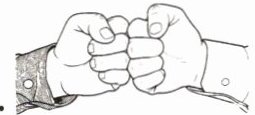
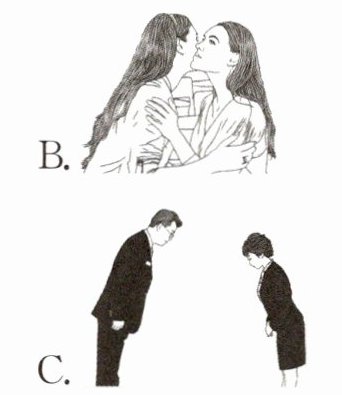
French people greet each other with a handshake, but close friends kiss each other on both cheeks when they meet. They do this when meeting and before leaving.
South Korea
In South Korea, people bow when greeting each other. In South Korea, a bow is followed by a handshake. When shaking someone's hand, it is polite to support the right forearm (前臂) with the left hand. However, Korean women do not shake hands with western men. Instead, they bow lightly.
Brazil
Kissing on the cheek is a common way of greeting between women. ▲ People should shake hands after meeting, and once they have become familiar with each other, a light hug is often given to each other.
The Philippines
There are several ways of greeting people in the Philippines. Relatives and family members greet each other with a hug. Friends greet each other with a polite nod or a handshake.
(
A.
B.
C.
(
A. China.
B. America.
C. South Korea.
(
A. In a formal situation, a handshake is often done to show respect.
B. In a formal situation, bowing is often done to show respect.
C. Men often shake hands with women.
(
A.
B.
C.
(
A. Asking for Help Politely
B. How to Behave Politely
C. Greeting Customs in Different Cultures
子任务二…
进行文化探秘之旅,解锁印度风情。
配套标准答案
Different countries have different greeting customs. Read this text to know about the greeting customs in different cultures, and make sure you greet people in the right way next time you visit one of these countries.
France
French people greet each other with a handshake, but close friends kiss each other on both cheeks when they meet. They do this when meeting and before leaving.
South Korea
In South Korea, people bow when greeting each other. In South Korea, a bow is followed by a handshake. When shaking someone's hand, it is polite to support the right forearm (前臂) with the left hand. However, Korean women do not shake hands with western men. Instead, they bow lightly.
Brazil
Kissing on the cheek is a common way of greeting between women. ▲ People should shake hands after meeting, and once they have become familiar with each other, a light hug is often given to each other.
The Philippines
There are several ways of greeting people in the Philippines. Relatives and family members greet each other with a hug. Friends greet each other with a polite nod or a handshake.
(
B
)1. How do close friends in France greet each other according to the text?A.
B.
C.
(
C
)2. When Jim meets his friend, they bow to each other. Where may Jim come from?A. China.
B. America.
C. South Korea.
(
A
)3. Which of the following can be put in "▲"?A. In a formal situation, a handshake is often done to show respect.
B. In a formal situation, bowing is often done to show respect.
C. Men often shake hands with women.
(
A
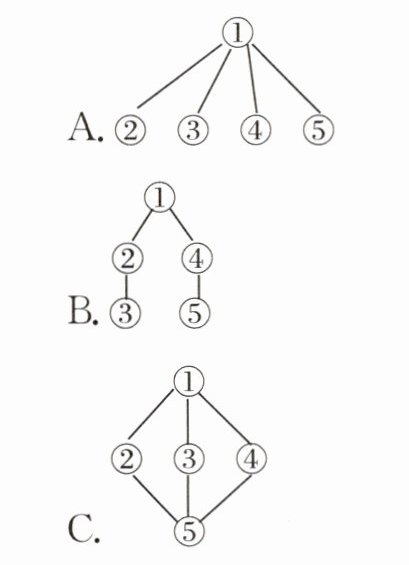
)4. What's the best structure of the text?A.
B.
C.
(
C
)5. What's the best title for the text?A. Asking for Help Politely
B. How to Behave Politely
C. Greeting Customs in Different Cultures
子任务二…
进行文化探秘之旅,解锁印度风情。
配套标准答案
答案
1.B 2.C 3.A 4.A 5.C
解析
【分析】本题为英语阅读理解题,围绕不同国家的问候习俗设置5道选择题,需根据原文对应段落信息逐一解答:第1题定位法国段落查找密友的问候方式;第2题定位问候时需鞠躬的国家;第3题结合巴西段落上下文补全内容;第4题分析文章结构;第5题提炼文章主旨。
【解析】1. 根据France段落中“close friends kiss each other on both cheeks”,可知法国密友的问候方式为贴面礼,对应选项B;2. 根据South Korea段落中“In South Korea, people bow when greeting each other”,可知鞠躬问候的国家是韩国,对应选项C;3. 巴西段上下文:前文提及女性间贴面礼,后文提到见面后握手、熟悉后轻抱,因此中间需补充正式场合的问候方式,A选项“正式场合握手表尊重”符合逻辑,选A;4. 文章采用总分结构:先总述不同国家有不同问候习俗,再分述法国、韩国、巴西、菲律宾的习俗,对应结构A;5. 全文围绕不同文化的问候习俗展开,主旨对应选项C。
【答案】1.B 2.C 3.A 4.A 5.C
【知识点】英语阅读理解、文化习俗、主旨大意
【点评】本题考查细节查找、逻辑推理及主旨提炼能力,内容贴近生活,难度适中,需准确匹配原文信息与选项。
【难度系数】0.3
【解析】1. 根据France段落中“close friends kiss each other on both cheeks”,可知法国密友的问候方式为贴面礼,对应选项B;2. 根据South Korea段落中“In South Korea, people bow when greeting each other”,可知鞠躬问候的国家是韩国,对应选项C;3. 巴西段上下文:前文提及女性间贴面礼,后文提到见面后握手、熟悉后轻抱,因此中间需补充正式场合的问候方式,A选项“正式场合握手表尊重”符合逻辑,选A;4. 文章采用总分结构:先总述不同国家有不同问候习俗,再分述法国、韩国、巴西、菲律宾的习俗,对应结构A;5. 全文围绕不同文化的问候习俗展开,主旨对应选项C。
【答案】1.B 2.C 3.A 4.A 5.C
【知识点】英语阅读理解、文化习俗、主旨大意
【点评】本题考查细节查找、逻辑推理及主旨提炼能力,内容贴近生活,难度适中,需准确匹配原文信息与选项。
【难度系数】0.3
