

 登录
登录
B
The Himalayas run along the southwestern part of China and they are full of high mountains and white snow. In the mountains there is a place called the Valley山谷 of Flowers. It is home to pretty flowers, wild plants and endangered animals.
The Valley of Flowers is in the north of India. It covers an area of more than 87.5 square kilometres. There are flowers here and there. However, these flowers are not the same as what we often see. They grow in high places in the mountains. There are hundreds of different kinds of flowers in this valley. They bloom between June and September. When the flowers bloom, the valley looks like a magic world with different colours.
There are also a lot of wild plants in the Valley of Flowers. They are special. Some of them are hard to find anywhere else in the world. What's more, some endangered animals live in the valley, like blue sheep.
Now people have turned the Valley of Flowers into a national国家的 park. Visitors can't build anything or live there. They can't even stay there for too long at a time. They can only stay there for one day. It is probably not long enough for visitors to enjoy all the beauty there.
6. How does the writer start the passage?
A. By telling a story.
B. By listing numbers.
C. By offering facts.
7. When do the flowers in the valley bloom?
A. In March.
B. In August.
C. In November.
8. What does the underlined word "They" in Paragraph 3 refer to?
A. Wild plants.
B. The flowers.
C. Endangered animals.
9. What's the structure of the passage?
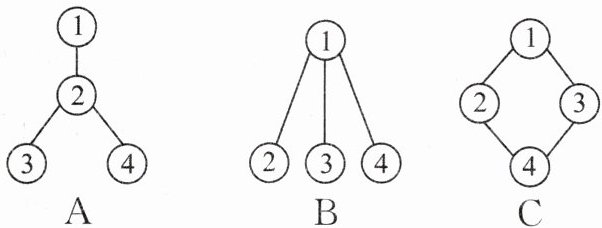
10. What can we learn from the passage?
A. There are many wild plants and endangered animals in the Valley of Flowers.
B. The flowers in the Valley of Flowers can be easily seen in our daily life.
C. Visitors can do whatever they want in the Valley of Flowers.
The Himalayas run along the southwestern part of China and they are full of high mountains and white snow. In the mountains there is a place called the Valley山谷 of Flowers. It is home to pretty flowers, wild plants and endangered animals.
The Valley of Flowers is in the north of India. It covers an area of more than 87.5 square kilometres. There are flowers here and there. However, these flowers are not the same as what we often see. They grow in high places in the mountains. There are hundreds of different kinds of flowers in this valley. They bloom between June and September. When the flowers bloom, the valley looks like a magic world with different colours.
There are also a lot of wild plants in the Valley of Flowers. They are special. Some of them are hard to find anywhere else in the world. What's more, some endangered animals live in the valley, like blue sheep.
Now people have turned the Valley of Flowers into a national国家的 park. Visitors can't build anything or live there. They can't even stay there for too long at a time. They can only stay there for one day. It is probably not long enough for visitors to enjoy all the beauty there.
6. How does the writer start the passage?
A. By telling a story.
B. By listing numbers.
C. By offering facts.
7. When do the flowers in the valley bloom?
A. In March.
B. In August.
C. In November.
8. What does the underlined word "They" in Paragraph 3 refer to?
A. Wild plants.
B. The flowers.
C. Endangered animals.
9. What's the structure of the passage?
10. What can we learn from the passage?
A. There are many wild plants and endangered animals in the Valley of Flowers.
B. The flowers in the Valley of Flowers can be easily seen in our daily life.
C. Visitors can do whatever they want in the Valley of Flowers.
答案
6.C 7.B 8.A 9.C 10.A
解析
【分析】
本题为英语阅读理解题,需先通读文章把握内容,再针对每个问题定位原文细节、推理词义、分析文章结构及判断主旨,逐一解答。
【解析】
6. 作者开篇陈述了喜马拉雅山脉的位置、花谷的基本概况等事实,并非讲故事或列数字,故选C。
7. 原文第二段明确提到花的花期是6月到9月,August(8月)在此区间内,故选B。
8. 第三段第一句提到“有很多野生植物”,紧接着的“They”指代前文的“wild plants”,故选A。
9. 文章结构为:第一段总述花谷的基本情况,第二段介绍花,第三段介绍野生植物和濒危动物,第四段介绍花谷的保护规定,对应选项C的结构,故选C。
10. A选项:第三段提到花谷有野生植物和濒危动物,符合原文;B选项:原文指出花和日常看到的不同,并非容易见到;C选项:游客不能随意建造或久待,不能做任何想做的事,错误,故选A。
【答案】
6.C 7.B 8.A 9.C 10.A
【知识点】
英语阅读理解、细节理解、词义猜测
【点评】
本题围绕花谷展开,考查学生对英语阅读细节的定位、词义推理、结构分析及主旨理解能力,需结合原文内容逐一判断,难度适中。
【难度系数】
0.6
本题为英语阅读理解题,需先通读文章把握内容,再针对每个问题定位原文细节、推理词义、分析文章结构及判断主旨,逐一解答。
【解析】
6. 作者开篇陈述了喜马拉雅山脉的位置、花谷的基本概况等事实,并非讲故事或列数字,故选C。
7. 原文第二段明确提到花的花期是6月到9月,August(8月)在此区间内,故选B。
8. 第三段第一句提到“有很多野生植物”,紧接着的“They”指代前文的“wild plants”,故选A。
9. 文章结构为:第一段总述花谷的基本情况,第二段介绍花,第三段介绍野生植物和濒危动物,第四段介绍花谷的保护规定,对应选项C的结构,故选C。
10. A选项:第三段提到花谷有野生植物和濒危动物,符合原文;B选项:原文指出花和日常看到的不同,并非容易见到;C选项:游客不能随意建造或久待,不能做任何想做的事,错误,故选A。
【答案】
6.C 7.B 8.A 9.C 10.A
【知识点】
英语阅读理解、细节理解、词义猜测
【点评】
本题围绕花谷展开,考查学生对英语阅读细节的定位、词义推理、结构分析及主旨理解能力,需结合原文内容逐一判断,难度适中。
【难度系数】
0.6
