

 登录
登录
Ⅴ.模仿所给的例子编对话。
例:
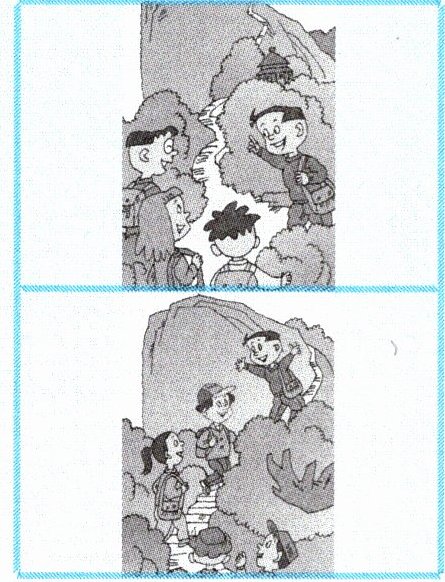
A: What are they going to do?
B: They are going to climb the mountain.
A: What are they doing now?
B: They are climbing the mountain.
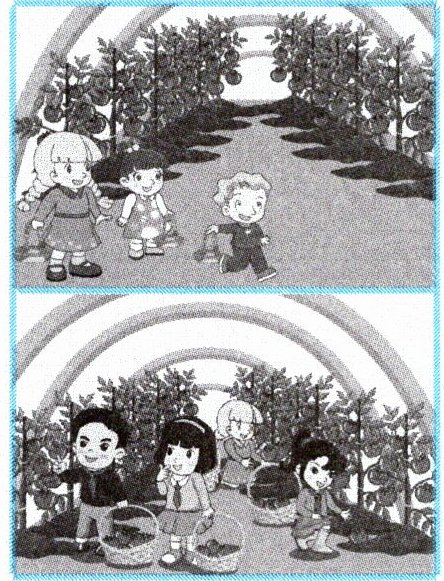
A:
B:
A:
B:
例:
A: What are they going to do?
B: They are going to climb the mountain.
A: What are they doing now?
B: They are climbing the mountain.
A:
B:
A:
B:
答案
第一组对话:
A: What are they going to do?
B: They are going to pick tomatoes in the garden.
第二组对话:
A: What are they doing now?
B: They are picking tomatoes.
A: What are they going to do?
B: They are going to pick tomatoes in the garden.
第二组对话:
A: What are they doing now?
B: They are picking tomatoes.
解析
【分析】
首先观察例子的对话结构:分为两组,第一组是用一般将来时(be going to结构)询问“他们打算做什么”并作答,第二组是用现在进行时询问“他们现在正在做什么”并作答。解题时需严格遵循该结构,结合插图对应的摘西红柿场景,分别匹配对应时态的问句和答句即可。
【解析】
根据例子的句式逻辑:
1. 第一组对话:A用一般将来时的特殊疑问句提问,内容为“What are they going to do?”;B对应场景用一般将来时回答,内容为“They are going to pick tomatoes in the garden.”;
2. 第二组对话:A用现在进行时的特殊疑问句提问,内容为“What are they doing now?”;B对应场景用现在进行时回答,内容为“They are picking tomatoes.”。
【答案】
A: What are they going to do?
B: They are going to pick tomatoes in the garden.
A: What are they doing now?
B: They are picking tomatoes.
【知识点】
一般将来时(be going to)、现在进行时、情景对话
【点评】
本题为基础情景对话模仿题,核心考察学生对一般将来时和现在进行时的句式掌握,要求学生能根据给定结构和场景完成对应对话,属于入门级题型,难度较低。
【难度系数】
0.8
首先观察例子的对话结构:分为两组,第一组是用一般将来时(be going to结构)询问“他们打算做什么”并作答,第二组是用现在进行时询问“他们现在正在做什么”并作答。解题时需严格遵循该结构,结合插图对应的摘西红柿场景,分别匹配对应时态的问句和答句即可。
【解析】
根据例子的句式逻辑:
1. 第一组对话:A用一般将来时的特殊疑问句提问,内容为“What are they going to do?”;B对应场景用一般将来时回答,内容为“They are going to pick tomatoes in the garden.”;
2. 第二组对话:A用现在进行时的特殊疑问句提问,内容为“What are they doing now?”;B对应场景用现在进行时回答,内容为“They are picking tomatoes.”。
【答案】
A: What are they going to do?
B: They are going to pick tomatoes in the garden.
A: What are they doing now?
B: They are picking tomatoes.
【知识点】
一般将来时(be going to)、现在进行时、情景对话
【点评】
本题为基础情景对话模仿题,核心考察学生对一般将来时和现在进行时的句式掌握,要求学生能根据给定结构和场景完成对应对话,属于入门级题型,难度较低。
【难度系数】
0.8
Ⅵ.阅读理解。
Today is Tuesday. Tomorrow we are going for a spring outing. The bus is going to leave (离开) at 9:00. We must get to school at 8:30. We are going to the zoo. We are going to take some bread, cakes, juice and fruits with us. We are very happy.
下列句子描述与短文内容如果相符请写“T”,不符请写“F”。
(
(
(
(
Today is Tuesday. Tomorrow we are going for a spring outing. The bus is going to leave (离开) at 9:00. We must get to school at 8:30. We are going to the zoo. We are going to take some bread, cakes, juice and fruits with us. We are very happy.
下列句子描述与短文内容如果相符请写“T”,不符请写“F”。
(
F
) 1. We are going to the zoo on Tuesday.(
F
) 2. Please come to school at nine o’clock on Friday.(
T
) 3. We can take some food and fruits with us.(
F
) 4. We are very proud (自豪的).答案
1. F 2. F 3. T 4. F
解析
【分析】做这类阅读理解判断正误题,需先通读短文,明确短文的时间、事件、地点、物品、情绪等关键信息,再将每个题目句子与短文内容逐一比对,重点关注时间、具体表述等细节差异,判断是否相符。
【解析】1. 短文提到“Today is Tuesday. Tomorrow we are going for a spring outing...We are going to the zoo”,可知去动物园是周二的明天(周三),并非周二,故不符,填F;2. 短文说明天(周三)去春游,集合时间是8:30,既不是周五,也不是9点,故不符,填F;3. 短文明确写“We are going to take some bread, cakes, juice and fruits with us”,可知会带食物和水果,相符,填T;4. 短文最后说“We are very happy”,并非“proud(自豪的)”,故不符,填F。
【答案】1.F 2.F 3.T 4.F
【知识点】英语阅读理解、细节理解题、判断正误题
【点评】本题为英语基础阅读理解细节判断题,考查对短文关键信息的提取与比对能力,只要认真阅读短文、找准对应细节即可正确解答。
【难度系数】0.8
【解析】1. 短文提到“Today is Tuesday. Tomorrow we are going for a spring outing...We are going to the zoo”,可知去动物园是周二的明天(周三),并非周二,故不符,填F;2. 短文说明天(周三)去春游,集合时间是8:30,既不是周五,也不是9点,故不符,填F;3. 短文明确写“We are going to take some bread, cakes, juice and fruits with us”,可知会带食物和水果,相符,填T;4. 短文最后说“We are very happy”,并非“proud(自豪的)”,故不符,填F。
【答案】1.F 2.F 3.T 4.F
【知识点】英语阅读理解、细节理解题、判断正误题
【点评】本题为英语基础阅读理解细节判断题,考查对短文关键信息的提取与比对能力,只要认真阅读短文、找准对应细节即可正确解答。
【难度系数】0.8
