

 登录
登录
Ⅱ.Read and answer.
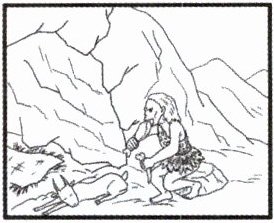
Many many years ago, there were forests and mountains. In those mountains there were many cavemen. Cavemen lived in caves(山洞). They didn't cook food. They ate raw(生的) meat and raw fish. They used tree leaves and animal skins(皮) to make their clothes.
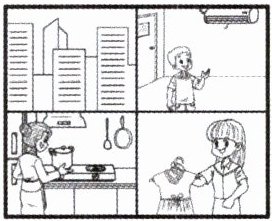
Now people live in houses and tall buildings. There are many things that help us cook delicious food. We are not afraid of cold and hot days, because we have air - conditioners and different clothes.
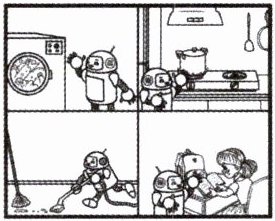
In the future(将来), there will be house robots to help us do different housework. The robots will cook food, clean the room, wash the clothes and help the children with their homework. That will be helpful and funny.
1. Where did the cavemen live?
2. Did the cavemen cook their food?
3. Where do people live now?
4. What do people use on very cold or hot days?
5. Who will help people do housework in the future?
Many many years ago, there were forests and mountains. In those mountains there were many cavemen. Cavemen lived in caves(山洞). They didn't cook food. They ate raw(生的) meat and raw fish. They used tree leaves and animal skins(皮) to make their clothes.
Now people live in houses and tall buildings. There are many things that help us cook delicious food. We are not afraid of cold and hot days, because we have air - conditioners and different clothes.
In the future(将来), there will be house robots to help us do different housework. The robots will cook food, clean the room, wash the clothes and help the children with their homework. That will be helpful and funny.
1. Where did the cavemen live?
They lived in caves.
2. Did the cavemen cook their food?
No, they didn't.
3. Where do people live now?
Now people live in houses and tall buildings.
4. What do people use on very cold or hot days?
People use air-conditioners.
5. Who will help people do housework in the future?
The robots will.
答案
1. They lived in caves.
2. No, they didn't.
3. Now people live in houses and tall buildings.
4. People use air-conditioners.
5. The robots will.
2. No, they didn't.
3. Now people live in houses and tall buildings.
4. People use air-conditioners.
5. The robots will.
解析
【分析】
这是一篇细节类英语阅读理解题,解题思路非常清晰:首先先通读全文,明确文章分别介绍了远古穴居人、当代人类、未来生活三个阶段的特点,之后逐个圈出每道题干的关键词,带着关键词回到原文对应段落定位相关语句,直接提取匹配的信息就能得到答案,不需要复杂的推理归纳。
【解析】
1. 定位原文第一段第三句"Cavemen lived in caves(山洞).",直接提取信息即可作答。
2. 定位原文第一段第四句"They didn't cook food.",对助动词did引导的一般疑问句做否定回答,遵循"No, 主语+didn't"的结构即可。
3. 定位原文第二段第一句"Now people live in houses and tall buildings.",直接提取原句内容作答。
4. 定位原文第二段末尾句"We are not afraid of cold and hot days, because we have air - conditioners and different clothes.",结合题干提问的冷热天使用的辅助物品,提取对应核心信息作答。
5. 定位原文第三段第一句"In the future(将来), there will be house robots to help us do different housework.",提取对应主体作答即可。
【答案】
1. They lived in caves.
2. No, they didn't.
3. Now people live in houses and tall buildings.
4. People use air-conditioners.
5. The robots will.
【知识点】
阅读细节查找;一般疑问句作答;说明类短文理解
【点评】
本题属于非常基础的小学英语阅读题型,所有答案都能在原文中直接找到对应原句,没有设置干扰项,核心考察学生快速定位文本信息的能力,做这类题可以先看题干圈出关键词,再带着关键词回原文扫读找对应句子,能大幅提升答题效率和正确率。
【难度系数】
0.9
这是一篇细节类英语阅读理解题,解题思路非常清晰:首先先通读全文,明确文章分别介绍了远古穴居人、当代人类、未来生活三个阶段的特点,之后逐个圈出每道题干的关键词,带着关键词回到原文对应段落定位相关语句,直接提取匹配的信息就能得到答案,不需要复杂的推理归纳。
【解析】
1. 定位原文第一段第三句"Cavemen lived in caves(山洞).",直接提取信息即可作答。
2. 定位原文第一段第四句"They didn't cook food.",对助动词did引导的一般疑问句做否定回答,遵循"No, 主语+didn't"的结构即可。
3. 定位原文第二段第一句"Now people live in houses and tall buildings.",直接提取原句内容作答。
4. 定位原文第二段末尾句"We are not afraid of cold and hot days, because we have air - conditioners and different clothes.",结合题干提问的冷热天使用的辅助物品,提取对应核心信息作答。
5. 定位原文第三段第一句"In the future(将来), there will be house robots to help us do different housework.",提取对应主体作答即可。
【答案】
1. They lived in caves.
2. No, they didn't.
3. Now people live in houses and tall buildings.
4. People use air-conditioners.
5. The robots will.
【知识点】
阅读细节查找;一般疑问句作答;说明类短文理解
【点评】
本题属于非常基础的小学英语阅读题型,所有答案都能在原文中直接找到对应原句,没有设置干扰项,核心考察学生快速定位文本信息的能力,做这类题可以先看题干圈出关键词,再带着关键词回原文扫读找对应句子,能大幅提升答题效率和正确率。
【难度系数】
0.9
