

 登录
登录
一、读一读,给词汇分类,写在对应位置的四线三格上。
horses carrots potatoes tomatoes chickens
cucumbers cows green beans sheep pigs
Animals
Vegetables
horses carrots potatoes tomatoes chickens
cucumbers cows green beans sheep pigs
Animals
Vegetables
horses
chickens
cows
sheep
pigs
carrots
potatoes
tomatoes
cucumbers
green beans
答案
一、Animals: horses chickens cows
sheep pigs
Vegetables: carrots potatoes
tomatoes cucumbers
green beans
sheep pigs
Vegetables: carrots potatoes
tomatoes cucumbers
green beans
解析
【分析】
首先明确题目要求是将给定词汇分为动物类(Animals)和蔬菜类(Vegetables)两类。解题思路是:先回忆每个词汇的中文含义,再根据“动物是指有生命的家畜/家禽等生物,蔬菜是指可食用的植物类”的标准进行分类,最后分别整理到对应类别中。
【解析】
1. 逐个判断词汇类别:
horses(马):属于动物类;
carrots(胡萝卜):属于蔬菜类;
potatoes(土豆):属于蔬菜类;
tomatoes(西红柿):属于蔬菜类;
chickens(鸡):属于动物类;
cucumbers(黄瓜):属于蔬菜类;
cows(奶牛):属于动物类;
green beans(青豆):属于蔬菜类;
sheep(绵羊):属于动物类;
pigs(猪):属于动物类。
2. 按类别整理词汇:
Animals类:horses, chickens, cows, sheep, pigs;
Vegetables类:carrots, potatoes, tomatoes, cucumbers, green beans。
【答案】
Animals: horses chickens cows sheep pigs
Vegetables: carrots potatoes tomatoes cucumbers green beans
【知识点】
英语词汇分类;名词词义辨析
【点评】
本题为基础的英语词汇分类题,考察常见动植物类名词的词义掌握情况,只要熟悉词汇含义即可正确分类,是英语学习中基础的词汇应用练习。
【难度系数】
0.8
首先明确题目要求是将给定词汇分为动物类(Animals)和蔬菜类(Vegetables)两类。解题思路是:先回忆每个词汇的中文含义,再根据“动物是指有生命的家畜/家禽等生物,蔬菜是指可食用的植物类”的标准进行分类,最后分别整理到对应类别中。
【解析】
1. 逐个判断词汇类别:
horses(马):属于动物类;
carrots(胡萝卜):属于蔬菜类;
potatoes(土豆):属于蔬菜类;
tomatoes(西红柿):属于蔬菜类;
chickens(鸡):属于动物类;
cucumbers(黄瓜):属于蔬菜类;
cows(奶牛):属于动物类;
green beans(青豆):属于蔬菜类;
sheep(绵羊):属于动物类;
pigs(猪):属于动物类。
2. 按类别整理词汇:
Animals类:horses, chickens, cows, sheep, pigs;
Vegetables类:carrots, potatoes, tomatoes, cucumbers, green beans。
【答案】
Animals: horses chickens cows sheep pigs
Vegetables: carrots potatoes tomatoes cucumbers green beans
【知识点】
英语词汇分类;名词词义辨析
【点评】
本题为基础的英语词汇分类题,考察常见动植物类名词的词义掌握情况,只要熟悉词汇含义即可正确分类,是英语学习中基础的词汇应用练习。
【难度系数】
0.8
二、看图片,选择正确的句子。
A. Those are green beans. How fresh!
B. What are these? They are cans for milk.
C. There are boxes of eggs.
D. Mr Wang is putting the tomatoes in boxes.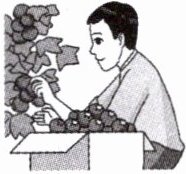
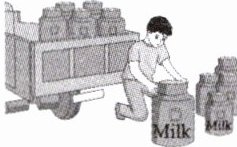
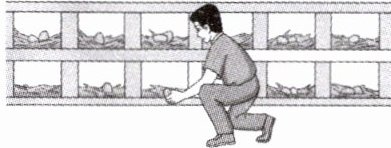

1. (
2. (
3. (
4. (
A. Those are green beans. How fresh!
B. What are these? They are cans for milk.
C. There are boxes of eggs.
D. Mr Wang is putting the tomatoes in boxes.
1. (
D
)2. (
B
)3. (
C
)4. (
A
)答案
二、1.D 2.B 3.C 4.A
解析
【分析】本题为英语图文匹配题,解题思路为:①先准确翻译并理解每个选项句子的含义;②结合对应序号的插图内容,匹配语义相符的句子;③将匹配好的选项填入对应序号的括号中。
【解析】1. 选项D描述“王先生正在把西红柿放进盒子里”,与第1幅插图内容匹配,故填D;2. 选项B是问答句,意为“这些是什么?它们是装牛奶的罐子”,与第2幅插图匹配,故填B;3. 选项C意为“有几盒鸡蛋”,与第3幅插图匹配,故填C;4. 选项A意为“那些是青豆,好新鲜!”,与第4幅插图匹配,故填A。
【答案】1.D 2.B 3.C 4.A
【知识点】英语句子理解、图文匹配
【点评】本题考查英语句子含义理解及图文匹配能力,属于基础题型,需准确把握每个句子的核心语义,结合图片内容完成对应,难度适中。
【难度系数】0.6
【解析】1. 选项D描述“王先生正在把西红柿放进盒子里”,与第1幅插图内容匹配,故填D;2. 选项B是问答句,意为“这些是什么?它们是装牛奶的罐子”,与第2幅插图匹配,故填B;3. 选项C意为“有几盒鸡蛋”,与第3幅插图匹配,故填C;4. 选项A意为“那些是青豆,好新鲜!”,与第4幅插图匹配,故填A。
【答案】1.D 2.B 3.C 4.A
【知识点】英语句子理解、图文匹配
【点评】本题考查英语句子含义理解及图文匹配能力,属于基础题型,需准确把握每个句子的核心语义,结合图片内容完成对应,难度适中。
【难度系数】0.6
