

 登录
登录
一、词汇
(一)根据句意和首字母提示,写出所缺单词的正确形式。
1. Sorry,I can't go to your party. I have to p
2. Linda,could you help me o
3. How much is this pair of socks? It's e
4. Every day,my parents come to work very early. But they go back home very l
5. I think science and maths are u
(一)根据句意和首字母提示,写出所缺单词的正确形式。
1. Sorry,I can't go to your party. I have to p
prepare
for an exam.2. Linda,could you help me o
organize
the party games?3. How much is this pair of socks? It's e
eighteen/eight
yuan.4. Every day,my parents come to work very early. But they go back home very l
late
.5. I think science and maths are u
useful
,so I like them.答案
1. prepare
2. organize
3. eighteen/eight
4. late
5. useful
2. organize
3. eighteen/eight
4. late
5. useful
解析
【分析】做这类根据句意和首字母填单词的题目,需先通读句子明确语境,再结合首字母提示,联系所学词汇、固定搭配来确定正确单词,最后验证单词是否符合句意要求。
【解析】1. 句意:抱歉,我不能去你的派对,我得为考试做准备。固定搭配“prepare for”意为“为……做准备”,首字母为p,故填prepare;2. 句意:Linda,你能帮我组织派对游戏吗?“organize”意为“组织”,符合语境,首字母为o,故填organize;3. 句意:这双袜子多少钱?它是……元。问价格时,首字母为e,“eighteen(十八)”或“eight(八)”都符合价格表达,故填eighteen/eight;4. 句意:每天,我父母上班很早,但回家很……。“late”意为“晚”,与前面的“early”形成对应,首字母为l,故填late;5. 句意:我认为科学和数学是……,所以我喜欢它们。“useful”意为“有用的”,符合喜欢它们的原因,首字母为u,故填useful。
【答案】1. prepare;2. organize;3. eighteen/eight;4. late;5. useful
【知识点】根据首字母提示填单词、固定搭配、形容词用法
【点评】本题为初中英语基础词汇题,考查核心词汇的运用,结合句意和首字母即可完成,是巩固英语基础的典型练习,难度较低。
【难度系数】0.7
【解析】1. 句意:抱歉,我不能去你的派对,我得为考试做准备。固定搭配“prepare for”意为“为……做准备”,首字母为p,故填prepare;2. 句意:Linda,你能帮我组织派对游戏吗?“organize”意为“组织”,符合语境,首字母为o,故填organize;3. 句意:这双袜子多少钱?它是……元。问价格时,首字母为e,“eighteen(十八)”或“eight(八)”都符合价格表达,故填eighteen/eight;4. 句意:每天,我父母上班很早,但回家很……。“late”意为“晚”,与前面的“early”形成对应,首字母为l,故填late;5. 句意:我认为科学和数学是……,所以我喜欢它们。“useful”意为“有用的”,符合喜欢它们的原因,首字母为u,故填useful。
【答案】1. prepare;2. organize;3. eighteen/eight;4. late;5. useful
【知识点】根据首字母提示填单词、固定搭配、形容词用法
【点评】本题为初中英语基础词汇题,考查核心词汇的运用,结合句意和首字母即可完成,是巩固英语基础的典型练习,难度较低。
【难度系数】0.7
(二)用所给单词的适当形式填空。
1. The film was so
2. He has made a contribution to
3. You'd better
4. As a good learner,we need to learn
5. Could you please tell me how
6. Good learners are not afraid of
7. We should review what we have learned by
8. Keep
9. Knowledge comes from
10. Zhang Jian succeeded in
1. The film was so
boring
(bore) that I felt sleepy when I saw it yesterday evening.2. He has made a contribution to
increasing
(increase) the rice production.3. You'd better
join
(join) in some activities after school.4. As a good learner,we need to learn
wisely
(wise) and well.5. Could you please tell me how
to pronounce
(pronounce) the word?6. Good learners are not afraid of
making
(make) mistakes.7. We should review what we have learned by
explaining
(explain) the information to another student.8. Keep
practicing
(practice) and you can improve your spoken English.9. Knowledge comes from
questioning
(question).10. Zhang Jian succeeded in
swimming
(swim) across the English Channel.答案
1. boring
2. increasing
3. join
4. wisely
5. to pronounce
6. making
7. explaining
8. practicing
9. questioning
10. swimming
2. increasing
3. join
4. wisely
5. to pronounce
6. making
7. explaining
8. practicing
9. questioning
10. swimming
解析
【分析】
本题为用所给单词适当形式填空的基础题型,需结合句子结构、固定搭配、词性变化规则解题:1. 修饰事物需用对应形容词;2. 介词后接动名词是高频规则;3. had better等固定结构后接动词原形;4. 修饰动词需用副词;5. how to do是固定不定式结构;6. 常见介词(of/by/in等)后接动名词;7. keep等动词后接动名词是固定搭配。
【解析】
1. 句中主语为事物film,需用形容词修饰,bore的形容词(修饰物)为boring,故填boring;
2. 固定搭配make a contribution to中to为介词,后接动名词,increase的动名词为increasing,故填increasing;
3. had better do sth(最好做某事)是固定结构,后接动词原形,故填join;
4. 此处修饰动词learn,需用副词,wise的副词形式为wisely,故填wisely;
5. how to do sth(如何做某事)是固定结构,故填to pronounce;
6. be afraid of中of为介词,后接动名词,make的动名词为making,故填making;
7. by表方式,后接动名词,explain的动名词为explaining,故填explaining;
8. keep doing sth(持续做某事)是固定搭配,practice的动名词为practicing,故填practicing;
9. from为介词,后接动名词,question的动名词为questioning,故填questioning;
10. succeed in中in为介词,后接动名词,swim的动名词为swimming,故填swimming。
【答案】
1. boring
2. increasing
3. join
4. wisely
5. to pronounce
6. making
7. explaining
8. practicing
9. questioning
10. swimming
【知识点】
固定搭配、非谓语动词、词性转换
【点评】
本题考查初中英语核心基础语法,聚焦高频固定搭配与非谓语动词用法,是巩固基础的典型题型,需牢记介词后接动名词、had better等常见结构,整体难度较低。
【难度系数】
0.8
本题为用所给单词适当形式填空的基础题型,需结合句子结构、固定搭配、词性变化规则解题:1. 修饰事物需用对应形容词;2. 介词后接动名词是高频规则;3. had better等固定结构后接动词原形;4. 修饰动词需用副词;5. how to do是固定不定式结构;6. 常见介词(of/by/in等)后接动名词;7. keep等动词后接动名词是固定搭配。
【解析】
1. 句中主语为事物film,需用形容词修饰,bore的形容词(修饰物)为boring,故填boring;
2. 固定搭配make a contribution to中to为介词,后接动名词,increase的动名词为increasing,故填increasing;
3. had better do sth(最好做某事)是固定结构,后接动词原形,故填join;
4. 此处修饰动词learn,需用副词,wise的副词形式为wisely,故填wisely;
5. how to do sth(如何做某事)是固定结构,故填to pronounce;
6. be afraid of中of为介词,后接动名词,make的动名词为making,故填making;
7. by表方式,后接动名词,explain的动名词为explaining,故填explaining;
8. keep doing sth(持续做某事)是固定搭配,practice的动名词为practicing,故填practicing;
9. from为介词,后接动名词,question的动名词为questioning,故填questioning;
10. succeed in中in为介词,后接动名词,swim的动名词为swimming,故填swimming。
【答案】
1. boring
2. increasing
3. join
4. wisely
5. to pronounce
6. making
7. explaining
8. practicing
9. questioning
10. swimming
【知识点】
固定搭配、非谓语动词、词性转换
【点评】
本题考查初中英语核心基础语法,聚焦高频固定搭配与非谓语动词用法,是巩固基础的典型题型,需牢记介词后接动名词、had better等常见结构,整体难度较低。
【难度系数】
0.8
二、句子
(一)看图写话。根据图片和提示词写出至少一个句子。
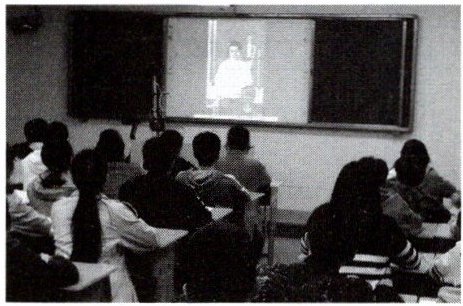
watch videos,learn
(一)看图写话。根据图片和提示词写出至少一个句子。
watch videos,learn
Does anyone learn English by watching videos?
/We learn by watching videos.
答案
Does anyone learn English by watching videos? /We learn by watching videos.
解析
【分析】首先观察图片,画面是学生在教室观看视频进行学习的场景,题目给出提示词“watch videos”和“learn”,要求结合图片写至少一个句子,需围绕“通过看视频学习”的核心含义,运用提示词构造语法正确、符合场景的句子,可借助“by + 动名词”的结构表达学习方式。
【解析】根据图片的学习情境,结合提示词,可构造表达“通过看视频学习”的句子,例如使用“主语+learn by watching videos”的结构,确保句子包含提示词,语义通顺且匹配图片内容。
【答案】We learn by watching videos.
【知识点】简单句、方式状语表达
【点评】本题结合图片与提示词考查句子构造,难度适中,需要学生准确理解图片信息,正确运用提示词组织语言,体现了基础英语表达能力的考查。
【难度系数】0.5
【解析】根据图片的学习情境,结合提示词,可构造表达“通过看视频学习”的句子,例如使用“主语+learn by watching videos”的结构,确保句子包含提示词,语义通顺且匹配图片内容。
【答案】We learn by watching videos.
【知识点】简单句、方式状语表达
【点评】本题结合图片与提示词考查句子构造,难度适中,需要学生准确理解图片信息,正确运用提示词组织语言,体现了基础英语表达能力的考查。
【难度系数】0.5
(二)英汉互译。
1. Everyone is born with the ability to learn. But whether you can learn well depends on your learning habits.
2. 这只狗很听话,你不必害怕它。
3. When we will start depends on the weather.
4. 熟能生巧。
5. 我经常在语法方面出错。
1. Everyone is born with the ability to learn. But whether you can learn well depends on your learning habits.
每个人都有与生俱来的学习能力,但能否学得好取决于你的学习习惯。
2. 这只狗很听话,你不必害怕它。
The dog is very friendly. You needn't be afraid of it.
3. When we will start depends on the weather.
我们什么时候动身取决于天气状况。
4. 熟能生巧。
Practice makes perfect.
5. 我经常在语法方面出错。
I often make mistakes in grammar.
答案
1. 每个人都有与生俱来的学习能力,但能否学得好取决于你的学习习惯。
2. The dog is very friendly. You needn't be afraid of it.
3. 我们什么时候动身取决于天气状况。
4. Practice makes perfect.
5. I often make mistakes in grammar.
2. The dog is very friendly. You needn't be afraid of it.
3. 我们什么时候动身取决于天气状况。
4. Practice makes perfect.
5. I often make mistakes in grammar.
解析
【分析】
英汉互译需准确把握中英文的固定表达、句式结构及文化习惯。英译汉时要贴合中文表达,精准转换短语含义(如be born with译为“与生俱来”);汉译英时要遵循英语常用搭配(如“不必害怕”对应needn't be afraid of),谚语需采用固定译法,同时注意主语从句等句式的翻译逻辑,确保译文通顺准确。
【解析】
1. 英译汉:“Everyone is born with the ability to learn”译为“每个人都有与生俱来的学习能力”;“But whether you can learn well depends on your learning habits”译为“但能否学得好取决于你的学习习惯”,整合后为“每个人都有与生俱来的学习能力,但能否学得好取决于你的学习习惯”。
2. 汉译英:“这只狗很听话”译为“The dog is very friendly”(此处“听话”对应英语中形容动物温顺的常用表达friendly);“你不必害怕它”译为“You needn't be afraid of it”,整合后为“The dog is very friendly. You needn't be afraid of it”。
3. 英译汉:“When we will start”译为“我们什么时候动身”;“depends on the weather”译为“取决于天气状况”,整合后为“我们什么时候动身取决于天气状况”。
4. 汉译英:“熟能生巧”为固定谚语,对应英语固定译法“Practice makes perfect”。
5. 汉译英:“我经常”译为“I often”;“在语法方面出错”译为“make mistakes in grammar”,整合后为“I often make mistakes in grammar”。
【答案】
1. 每个人都有与生俱来的学习能力,但能否学得好取决于你的学习习惯。
2. The dog is very friendly. You needn't be afraid of it.
3. 我们什么时候动身取决于天气状况。
4. Practice makes perfect.
5. I often make mistakes in grammar.
【知识点】
英汉互译、固定搭配、谚语翻译
【点评】
本题为基础英汉互译题,考察常用短语、句式及谚语的翻译能力,需掌握中英对应表达,注意文化差异与固定用法,难度适中。
【难度系数】
0.7
英汉互译需准确把握中英文的固定表达、句式结构及文化习惯。英译汉时要贴合中文表达,精准转换短语含义(如be born with译为“与生俱来”);汉译英时要遵循英语常用搭配(如“不必害怕”对应needn't be afraid of),谚语需采用固定译法,同时注意主语从句等句式的翻译逻辑,确保译文通顺准确。
【解析】
1. 英译汉:“Everyone is born with the ability to learn”译为“每个人都有与生俱来的学习能力”;“But whether you can learn well depends on your learning habits”译为“但能否学得好取决于你的学习习惯”,整合后为“每个人都有与生俱来的学习能力,但能否学得好取决于你的学习习惯”。
2. 汉译英:“这只狗很听话”译为“The dog is very friendly”(此处“听话”对应英语中形容动物温顺的常用表达friendly);“你不必害怕它”译为“You needn't be afraid of it”,整合后为“The dog is very friendly. You needn't be afraid of it”。
3. 英译汉:“When we will start”译为“我们什么时候动身”;“depends on the weather”译为“取决于天气状况”,整合后为“我们什么时候动身取决于天气状况”。
4. 汉译英:“熟能生巧”为固定谚语,对应英语固定译法“Practice makes perfect”。
5. 汉译英:“我经常”译为“I often”;“在语法方面出错”译为“make mistakes in grammar”,整合后为“I often make mistakes in grammar”。
【答案】
1. 每个人都有与生俱来的学习能力,但能否学得好取决于你的学习习惯。
2. The dog is very friendly. You needn't be afraid of it.
3. 我们什么时候动身取决于天气状况。
4. Practice makes perfect.
5. I often make mistakes in grammar.
【知识点】
英汉互译、固定搭配、谚语翻译
【点评】
本题为基础英汉互译题,考察常用短语、句式及谚语的翻译能力,需掌握中英对应表达,注意文化差异与固定用法,难度适中。
【难度系数】
0.7
