

 登录
登录
六、阅读理解。
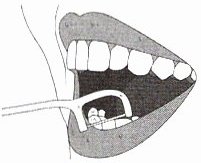
Looking after your teeth and gums(牙龈) is good for you. It keeps your teeth healthy, and it can help your brain(大脑). A new study shows that flossing(用牙线剔)your teeth could lower the risk of having a stroke(中风).
A stroke affects the brain. It happens when blood can't get to the brain, or when a blood vessel(血管)in the brain bursts(爆裂). Around 15 million people worldwide have a stroke each year. Of these, about 5 million die, and 5 million are left disabled(有残疾的). Oral(口腔的)diseases, such as bad teeth and gum diseases, affect around 3.5 billion people.
Dr. Sen and his team of researchers looked into the influences of flossing on our health. He said, "We want to find out how we can best prevent strokes, such as by flossing, brushing teeth, cleaning your mouth with water or going to the dentist at least weekly." The team found that flossing teeth at least once a week could lower the risk of different types of stroke by about 33%.
Dr Sen said that flossing was a cheap and easy way of caring for your teeth and body. He added, "Flossing is a healthy habit for everyone."
1. How does the writer start the passage? (
A. By telling a fact.
B. By giving advice.
C. By giving an example.
2. What might cause a stroke? (
① When one has a bad cold.
② When one has a bad headache.
③ When blood can't reach the brain.
④ When a blood vessel in the brain breaks.
A. ①②
B. ③④
C. ②④
3. What is the main idea of the last paragraph? (
A. The way of using flossing.
B. The benefits of flossing.
C. The results of using flossing.
4. What is the structure of the passage? ( P₁=Paragraph 1,... ) (
A.
Looking after your teeth and gums(牙龈) is good for you. It keeps your teeth healthy, and it can help your brain(大脑). A new study shows that flossing(用牙线剔)your teeth could lower the risk of having a stroke(中风).
A stroke affects the brain. It happens when blood can't get to the brain, or when a blood vessel(血管)in the brain bursts(爆裂). Around 15 million people worldwide have a stroke each year. Of these, about 5 million die, and 5 million are left disabled(有残疾的). Oral(口腔的)diseases, such as bad teeth and gum diseases, affect around 3.5 billion people.
Dr. Sen and his team of researchers looked into the influences of flossing on our health. He said, "We want to find out how we can best prevent strokes, such as by flossing, brushing teeth, cleaning your mouth with water or going to the dentist at least weekly." The team found that flossing teeth at least once a week could lower the risk of different types of stroke by about 33%.
Dr Sen said that flossing was a cheap and easy way of caring for your teeth and body. He added, "Flossing is a healthy habit for everyone."
1. How does the writer start the passage? (
A
)A. By telling a fact.
B. By giving advice.
C. By giving an example.
2. What might cause a stroke? (
B
)① When one has a bad cold.
② When one has a bad headache.
③ When blood can't reach the brain.
④ When a blood vessel in the brain breaks.
A. ①②
B. ③④
C. ②④
3. What is the main idea of the last paragraph? (
B
)A. The way of using flossing.
B. The benefits of flossing.
C. The results of using flossing.
4. What is the structure of the passage? ( P₁=Paragraph 1,... ) (
C
)A.
答案
1.A 2.B 3.B 4.C
