

 登录
阅读以下语篇,完成第 17-20 题。
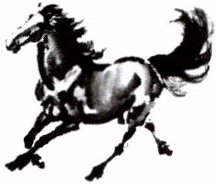
[2026 连云港中考] Xu Beihong was a pioneer of 20th century Chinese art, well known for his traditional ink-and-wash paintings of horses and birds. He was one of the first Chinese artists to explore the techniques(技巧) of oil paintings.
Born in 1895 in Yixing, Jiangsu, Xu Beihong showed a strong interest in arts since childhood. He began studying the Chinese Classics from his father when he was six. Xu spent much time helping out on his family's farm. He would paint what he noticed in nature. In 1912, his father fell ill. Xu became the breadwinner of the family and began teaching arts in all kinds of schools. In 1917, he began to teach at Peking University at the invitation of Cai Yuanpei.
Beginning in 1919, Xu studied oil painting and drawing in Paris. His travels around Europe allowed him to explore Western art techniques. He studied the bone structure (骨架) and movement of horses. Such knowledge is clear in his works. But his excellent ink brushwork truly brought his horses to life. Through his art, Xu gave the world a new way of understanding horses, celebrating their beauty, strength and spirit.
In 1923, Xu's oil painting was shown at the French National Art Exhibition(展览). Later, he received invitations from many European cities to hold exhibitions internationally.
After returning home in 1927, Xu took an active part in art education. He focused on developing creativity with students. He also encouraged his students to learn from foreign artworks. "There is no other way to learn art, but to keep practising," Xu once said.
In 1933, Xu organized an exhibition of modern Chinese painting in Paris. It drew lots of attention and was then moved to Brussels, Milan, Moscow, and other places. Between 1939 and 1941, Xu travelled to Southeast Asia, holding exhibitions in Singapore and Malaysia. All the money from these exhibitions went to Chinese people who were suffering because of the war.
17. Which of the following shows the correct order of Xu's life experiences?
a. Xu began exploring Western art techniques.
b. Xu got his oil painting shown internationally.
c. Xu began teaching arts to support his family.
d. Xu was invited to teach at Peking University.
e. Xu began studying Chinese arts with his father.
A. ecdab
B. aebdc
C. ebcda
D. abedc
18. Why did Xu study the bone structure and movement of horses?
A. To help horses grow stronger.
B. To train horses in a wiser way.
C. To draw artworks of horses better.
D. To raise horses on his family's farm.
19. Which of the following best shows Xu's idea in art education?
A. Goals push us forward.
B. Practice makes perfect.
C. Confidence is the key to success.
D. Interest is the best teacher.
20. What does the last paragraph mainly talk about?
A. The exhibitions in Southeast Asia.
B. Xu's travelling plan across the world.
C. Xu's success in art and love of country.
D. The development of modern Chinese art.
[2026 连云港中考] Xu Beihong was a pioneer of 20th century Chinese art, well known for his traditional ink-and-wash paintings of horses and birds. He was one of the first Chinese artists to explore the techniques(技巧) of oil paintings.
Born in 1895 in Yixing, Jiangsu, Xu Beihong showed a strong interest in arts since childhood. He began studying the Chinese Classics from his father when he was six. Xu spent much time helping out on his family's farm. He would paint what he noticed in nature. In 1912, his father fell ill. Xu became the breadwinner of the family and began teaching arts in all kinds of schools. In 1917, he began to teach at Peking University at the invitation of Cai Yuanpei.
Beginning in 1919, Xu studied oil painting and drawing in Paris. His travels around Europe allowed him to explore Western art techniques. He studied the bone structure (骨架) and movement of horses. Such knowledge is clear in his works. But his excellent ink brushwork truly brought his horses to life. Through his art, Xu gave the world a new way of understanding horses, celebrating their beauty, strength and spirit.
In 1923, Xu's oil painting was shown at the French National Art Exhibition(展览). Later, he received invitations from many European cities to hold exhibitions internationally.
After returning home in 1927, Xu took an active part in art education. He focused on developing creativity with students. He also encouraged his students to learn from foreign artworks. "There is no other way to learn art, but to keep practising," Xu once said.
In 1933, Xu organized an exhibition of modern Chinese painting in Paris. It drew lots of attention and was then moved to Brussels, Milan, Moscow, and other places. Between 1939 and 1941, Xu travelled to Southeast Asia, holding exhibitions in Singapore and Malaysia. All the money from these exhibitions went to Chinese people who were suffering because of the war.
17. Which of the following shows the correct order of Xu's life experiences?
a. Xu began exploring Western art techniques.
b. Xu got his oil painting shown internationally.
c. Xu began teaching arts to support his family.
d. Xu was invited to teach at Peking University.
e. Xu began studying Chinese arts with his father.
A. ecdab
B. aebdc
C. ebcda
D. abedc
18. Why did Xu study the bone structure and movement of horses?
A. To help horses grow stronger.
B. To train horses in a wiser way.
C. To draw artworks of horses better.
D. To raise horses on his family's farm.
19. Which of the following best shows Xu's idea in art education?
A. Goals push us forward.
B. Practice makes perfect.
C. Confidence is the key to success.
D. Interest is the best teacher.
20. What does the last paragraph mainly talk about?
A. The exhibitions in Southeast Asia.
B. Xu's travelling plan across the world.
C. Xu's success in art and love of country.
D. The development of modern Chinese art.
答案
17. A 信息排序题。通读全文梳理时间线:六岁随父亲学习中国艺术→父亲生病,靠教美术养家→受邀去北大任教→赴巴黎研习西方绘画技巧→油画登上国际展览。
18. C
19. B 推理判断题。根据“There is no other way to learn art, but to keep practising”可知,学习艺术只能坚持练习,对应谚语“Practice makes perfect.”。
20. C 段落大意题。最后一段讲述徐悲鸿在多国举办中国画展,收获国际关注;又去往东南亚办展,将全部画展收入用于救助战乱中的受难同胞,既体现他艺术事业上的成就,也彰显他深厚的爱国情怀。
18. C
19. B 推理判断题。根据“There is no other way to learn art, but to keep practising”可知,学习艺术只能坚持练习,对应谚语“Practice makes perfect.”。
20. C 段落大意题。最后一段讲述徐悲鸿在多国举办中国画展,收获国际关注;又去往东南亚办展,将全部画展收入用于救助战乱中的受难同胞,既体现他艺术事业上的成就,也彰显他深厚的爱国情怀。
