

 登录
登录
五、阅读理解
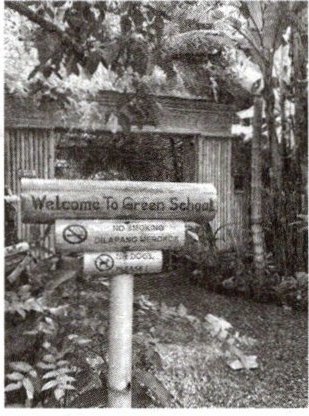
Deep Green Bush School is New Zealand's newest and most special school with just eight students. The weather is so beautiful that the school day will start with fishing. After that, the kids will eat lunch cooked on an open fire. Homework and classes? Cancelled (取消). Students spend most of the day outdoors learning about nature. They also learn about the plants and animals of their home. Students learn to read and write, but they do so at their own pace (节奏), when they begin getting interested, not when the teacher decides it is time to learn.
"We are called a school but we look nothing like any school out there," says Joey Moncarz, who had been a teacher in more ordinary schools for five years before he helped start the school more than a year ago. Being worried that ordinary schools were not preparing children for the problems of the future, he began thinking about a very different kind of education, teaching kids the skills of survival.
Some parents saw their kids were unhappy and stressed (有压力的) in mainstream education and began to question if it is right for kids to come home stressed and unhappy. People ask Moncarz to open similar "bush schools" around New Zealand, and as far away as Europe and Asia.
David Berg is a learning expert (专家). He says schools like Moncarz's are becoming more popular. But, he says, these schools need to be careful. Children need to learn traditional subjects so they can find jobs in the modern world. Berg said many people still feel it is important to spend more time in nature. People in the modern world need to have many skills and some of those can be learned outside.
(
A. how many kids learn outside
B. where the school building is
C. what the bush school is like
D. why there is no homework
(
A. most students study in
B. give students free education
C. offer the best education
D. some parents don't like
(
A. To make more kids choose outdoor schools.
B. To introduce an outdoor school.
C. To tell parents that outdoor schools are bad.
D. To show what parents think of bush schools.
Deep Green Bush School is New Zealand's newest and most special school with just eight students. The weather is so beautiful that the school day will start with fishing. After that, the kids will eat lunch cooked on an open fire. Homework and classes? Cancelled (取消). Students spend most of the day outdoors learning about nature. They also learn about the plants and animals of their home. Students learn to read and write, but they do so at their own pace (节奏), when they begin getting interested, not when the teacher decides it is time to learn.
"We are called a school but we look nothing like any school out there," says Joey Moncarz, who had been a teacher in more ordinary schools for five years before he helped start the school more than a year ago. Being worried that ordinary schools were not preparing children for the problems of the future, he began thinking about a very different kind of education, teaching kids the skills of survival.
Some parents saw their kids were unhappy and stressed (有压力的) in mainstream education and began to question if it is right for kids to come home stressed and unhappy. People ask Moncarz to open similar "bush schools" around New Zealand, and as far away as Europe and Asia.
David Berg is a learning expert (专家). He says schools like Moncarz's are becoming more popular. But, he says, these schools need to be careful. Children need to learn traditional subjects so they can find jobs in the modern world. Berg said many people still feel it is important to spend more time in nature. People in the modern world need to have many skills and some of those can be learned outside.
(
C
) 1. Paragraph 1 is mostly about .A. how many kids learn outside
B. where the school building is
C. what the bush school is like
D. why there is no homework
(
A
) 2. The underlined part "mainstream education" in Paragraph 3 means schools that .A. most students study in
B. give students free education
C. offer the best education
D. some parents don't like
(
B
) 3. What is the writer's purpose (目的) in writing the article?A. To make more kids choose outdoor schools.
B. To introduce an outdoor school.
C. To tell parents that outdoor schools are bad.
D. To show what parents think of bush schools.
答案
1.C 2.A 3.B
解析
【分析】
做这类阅读理解题,需先明确各题考查类型,再结合原文定位关键信息解题:第1题考查段落主旨,需梳理第一段核心内容排除片面选项;第2题考查词义猜测,需结合上下文语境推断短语含义;第3题考查作者写作目的,需把握全文核心内容。
【解析】
1. 第一段介绍了Deep Green Bush School的学生数量、日常学习安排(户外钓鱼、无作业、户外学习自然、读写按兴趣)等情况,整体是说明这个丛林学校是什么样的。A选项“多少孩子在户外学习”仅为部分内容,B选项“校舍位置”未提及,D选项“无作业的原因”是细节,均不符合,故选C。
2. 第三段提到“Some parents saw their kids were unhappy and stressed in mainstream education”,结合上下文,该短语指与特殊丛林学校相对的、大多数学生就读的普通教育,A选项符合;B选项“免费教育”、C选项“最好的教育”、D选项“一些家长不喜欢的”均不符合语境,故选A。
3. 全文围绕新西兰的特殊户外丛林学校展开,介绍其情况、创办原因、专家看法等,核心目的是介绍这个户外学校。A选项“让更多孩子选户外学校”无依据,C选项“说户外学校不好”与原文不符,D选项“展示家长的看法”仅为部分内容,故选B。
【答案】
1.C 2.A 3.B
【知识点】
阅读理解主旨题、阅读理解词义猜测题、阅读理解细节题
【点评】
本题为介绍特殊户外学校的阅读理解题,涵盖三类常见题型,需学生精准定位原文信息、结合语境分析,难度适中,适合初中阶段学生练习。
【难度系数】
0.6
做这类阅读理解题,需先明确各题考查类型,再结合原文定位关键信息解题:第1题考查段落主旨,需梳理第一段核心内容排除片面选项;第2题考查词义猜测,需结合上下文语境推断短语含义;第3题考查作者写作目的,需把握全文核心内容。
【解析】
1. 第一段介绍了Deep Green Bush School的学生数量、日常学习安排(户外钓鱼、无作业、户外学习自然、读写按兴趣)等情况,整体是说明这个丛林学校是什么样的。A选项“多少孩子在户外学习”仅为部分内容,B选项“校舍位置”未提及,D选项“无作业的原因”是细节,均不符合,故选C。
2. 第三段提到“Some parents saw their kids were unhappy and stressed in mainstream education”,结合上下文,该短语指与特殊丛林学校相对的、大多数学生就读的普通教育,A选项符合;B选项“免费教育”、C选项“最好的教育”、D选项“一些家长不喜欢的”均不符合语境,故选A。
3. 全文围绕新西兰的特殊户外丛林学校展开,介绍其情况、创办原因、专家看法等,核心目的是介绍这个户外学校。A选项“让更多孩子选户外学校”无依据,C选项“说户外学校不好”与原文不符,D选项“展示家长的看法”仅为部分内容,故选B。
【答案】
1.C 2.A 3.B
【知识点】
阅读理解主旨题、阅读理解词义猜测题、阅读理解细节题
【点评】
本题为介绍特殊户外学校的阅读理解题,涵盖三类常见题型,需学生精准定位原文信息、结合语境分析,难度适中,适合初中阶段学生练习。
【难度系数】
0.6
