

 登录
1. 根据图片、上下文或首字母提示填空。(每空一词)
(1) My brother is a good student. He a listens carefully in class.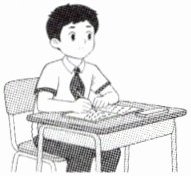
(2) —What the girl do at weekends?
—She u draws pictures at weekends.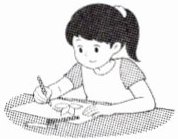
(3) —Do you often play football at weekends?
—No. I n play football. I always with my friends.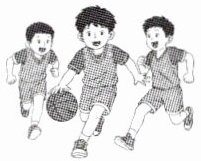
(4) A: What do you do at weekends?
B: I often with my parents.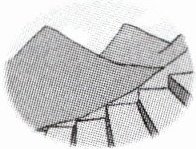
(5) My sister n plays sport with me.
She all the time.
It’s bad for her eyes.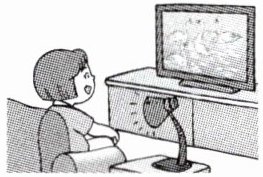
(1) My brother is a good student. He a listens carefully in class.
(2) —What the girl do at weekends?
—She u draws pictures at weekends.
(3) —Do you often play football at weekends?
—No. I n play football. I always with my friends.
(4) A: What do you do at weekends?
B: I often with my parents.
(5) My sister n plays sport with me.
She all the time.
It’s bad for her eyes.
答案
(1) always
(2) does; usually
(3) never; play basketball
(4) else; go climbing
(5) never; watches TV
(2) does; usually
(3) never; play basketball
(4) else; go climbing
(5) never; watches TV
解析
【解析】
(1) 句子语境为弟弟是好学生,上课认真听讲,结合首字母a,填入频度副词always表示“总是”。
(2) 第一空主语the girl是第三人称单数,助动词用does构成一般现在时的特殊疑问句;第二空结合首字母u,填入频度副词usually表示“通常”,符合周末画画的语境。
(3) 前句回答不常踢足球,结合首字母n,填入频度副词never表示“从不”;根据插图三个孩子打篮球的提示,填入play basketball表示“打篮球”。
(4) 第一空固定搭配what else表示“还有什么”,符合周末活动的提问语境;根据插图山的提示,填入go climbing表示“去爬山”。
(5) 句子语境是妹妹从不和我做运动,结合首字母n,填入频度副词never表示“从不”;根据插图看电视的提示,主语she是第三人称单数,填入watches TV表示“看电视”。
【答案】
(1) always
(2) does; usually
(3) never; play basketball
(4) else; go climbing
(5) never; watches TV
【知识点】
频度副词;一般现在时;图文匹配
【点评】
本题结合首字母提示、图片情境和语法规则考查小学英语周末活动相关的词汇与时态运用,考点基础且贴合日常学习场景,需要学生兼顾语境理解和图义识别完成填空。
【难度系数】
0.8
2. 阅读时间表,判断句子正(T)误(F)。
Anna’s timetable
| | Monday to Friday | Saturday | Sunday |
| ---- | ---- | ---- | ---- |
| 8:30—16:00 | go to school | visit grandparents | go climbing or fly a kite in the park |
| 16:30—18:00 | go swimming | play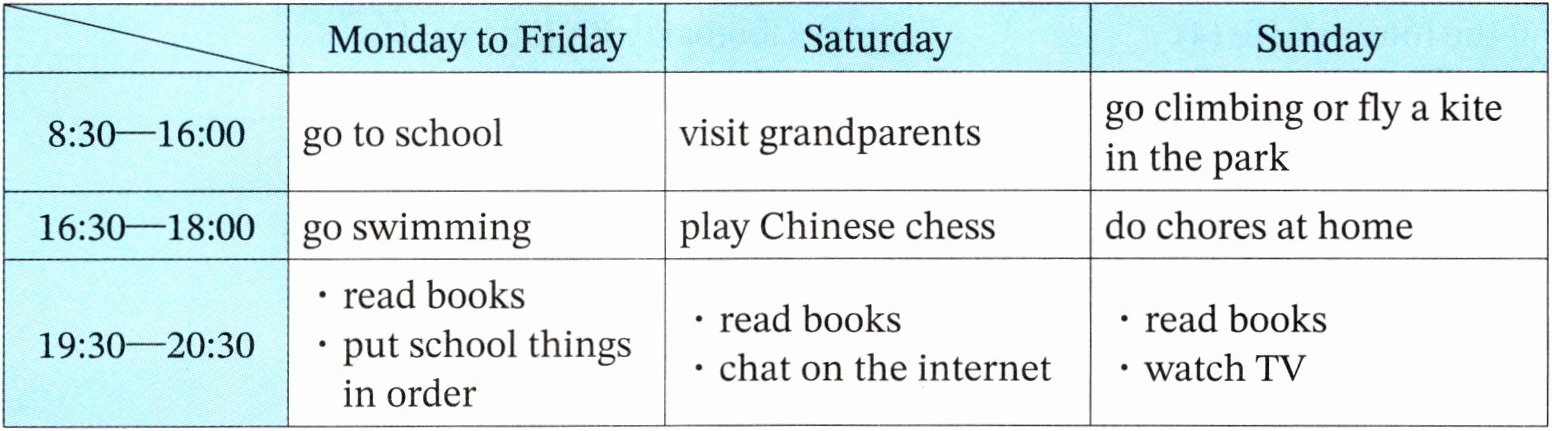 hinese chess | do chores at home |
| 19:30—20:30 | · read books
· put school things in order | · read books
· chat on the internet | · read books
· watch TV |
() (1) Anna doesn’t go swimming at weekends.
() (2) Anna never does chores at home.
() (3) Anna always visits her grandparents on Saturday.
() (4) Anna reads books every day.
() (5) Anna goes climbing every Sunday.
Anna’s timetable
| | Monday to Friday | Saturday | Sunday |
| ---- | ---- | ---- | ---- |
| 8:30—16:00 | go to school | visit grandparents | go climbing or fly a kite in the park |
| 16:30—18:00 | go swimming | play
hinese chess | do chores at home || 19:30—20:30 | · read books
· put school things in order | · read books
· chat on the internet | · read books
· watch TV |
() (1) Anna doesn’t go swimming at weekends.
() (2) Anna never does chores at home.
() (3) Anna always visits her grandparents on Saturday.
() (4) Anna reads books every day.
() (5) Anna goes climbing every Sunday.
答案
(1) T (2) F (3) T (4) T (5) F
解析
我们对照Anna的时间表逐一判断:
1. 周末(周六、周日)Anna在16:30-18:00的安排分别是下中国象棋、在家做家务,没有游泳的计划,说明她周末不去游泳,句子表述正确。
2. 时间表显示周日16:30-18:00Anna的安排是在家做家务,她并不是从来不在家做家务,句子表述错误。
3. 时间表显示周六8:30-16:00Anna的固定安排是看望祖父母,说明她周六总是去看望祖父母,句子表述正确。
4. 周一到周五、周六、周日的19:30-20:30的安排里都包含读书,说明Anna每天都读书,句子表述正确。
5. 周日的安排是去爬山或者在公园放风筝,是二选一的活动,不是每个周日都去爬山,句子表述错误。
1. 周末(周六、周日)Anna在16:30-18:00的安排分别是下中国象棋、在家做家务,没有游泳的计划,说明她周末不去游泳,句子表述正确。
2. 时间表显示周日16:30-18:00Anna的安排是在家做家务,她并不是从来不在家做家务,句子表述错误。
3. 时间表显示周六8:30-16:00Anna的固定安排是看望祖父母,说明她周六总是去看望祖父母,句子表述正确。
4. 周一到周五、周六、周日的19:30-20:30的安排里都包含读书,说明Anna每天都读书,句子表述正确。
5. 周日的安排是去爬山或者在公园放风筝,是二选一的活动,不是每个周日都去爬山,句子表述错误。
