

 登录
登录
C
Do you know Liu Wenhui? As one of Forbes China's top 100 outstanding craftsmen of 2024,he is turning ancient Chinese buildings into toys.
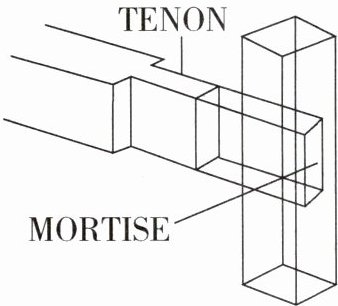
Born in Shanxi,China,Liu loved visiting ancient buildings,such as temples and towers,near his hometown as a child. These buildings used a special woodworking skill called the mortise-and-tenon joint structure(榫卯结构). This skill has a history of over 7,000 years. It puts pieces together without nails(钉子) or glue. Liu thought the traditional structures were creative and amazing. He wanted people to touch and play with them,not just to look at them in museums.
When he grew up,Liu came up with the idea of making mortise-and-tenon building blocks(积木). He started reading books and visiting ancient buildings to learn more. He tried to make small models of mortise-and-tenon structures using the same woodworking skill. But that was not easy. The small parts needed to fit perfectly to stay balanced. Liu tried many times and also learned from many craftsmen.
In 2013,Liu finally created his first sets of building blocks. They sold out quickly online. Later,he opened his own workshop and used plastic(塑料) for some parts to lower costs. His cheapest set costs about 100 yuan,so more kids can afford to play with them. "This craft is part of Chinese culture. I'm glad to help keep it alive," Liu says. He hopes his toys will help share China's ancient wisdom with the world.
(
A. To show his woodworking skills.
B. To make much money by selling toys.
C. To help people learn more about Chinese history.
D. To let people experience the craft by themselves.
(
A. How did Liu learn to make the blocks?
B. When did Liu finish his first works?
C. What problems did Liu have in models?
D. Where did Liu learn about ancient building?
(
A. Liu's building blocks are made of wood.
B. Liu's toy sets are really expensive but popular.
C. Liu created his first sets of toys after opening the shop.
D. Liu hopes to spread Chinese culture through his toys.
(
A. Meeting Great Craftsmen in China
B. Turning Ancient Buildings into Blocks
C. Passing on Traditional Chinese Skills
D. Studying Mortise-and-tenon Structures
Do you know Liu Wenhui? As one of Forbes China's top 100 outstanding craftsmen of 2024,he is turning ancient Chinese buildings into toys.
Born in Shanxi,China,Liu loved visiting ancient buildings,such as temples and towers,near his hometown as a child. These buildings used a special woodworking skill called the mortise-and-tenon joint structure(榫卯结构). This skill has a history of over 7,000 years. It puts pieces together without nails(钉子) or glue. Liu thought the traditional structures were creative and amazing. He wanted people to touch and play with them,not just to look at them in museums.
When he grew up,Liu came up with the idea of making mortise-and-tenon building blocks(积木). He started reading books and visiting ancient buildings to learn more. He tried to make small models of mortise-and-tenon structures using the same woodworking skill. But that was not easy. The small parts needed to fit perfectly to stay balanced. Liu tried many times and also learned from many craftsmen.
In 2013,Liu finally created his first sets of building blocks. They sold out quickly online. Later,he opened his own workshop and used plastic(塑料) for some parts to lower costs. His cheapest set costs about 100 yuan,so more kids can afford to play with them. "This craft is part of Chinese culture. I'm glad to help keep it alive," Liu says. He hopes his toys will help share China's ancient wisdom with the world.
(
D
)33. Why did Liu decide to make mortise-and-tenon building blocks?A. To show his woodworking skills.
B. To make much money by selling toys.
C. To help people learn more about Chinese history.
D. To let people experience the craft by themselves.
(
A
)34. Which question does the third paragraph mainly answer?A. How did Liu learn to make the blocks?
B. When did Liu finish his first works?
C. What problems did Liu have in models?
D. Where did Liu learn about ancient building?
(
D
)35. What can we learn from the last paragraph?A. Liu's building blocks are made of wood.
B. Liu's toy sets are really expensive but popular.
C. Liu created his first sets of toys after opening the shop.
D. Liu hopes to spread Chinese culture through his toys.
(
B
)36. What is the best title for the passage?A. Meeting Great Craftsmen in China
B. Turning Ancient Buildings into Blocks
C. Passing on Traditional Chinese Skills
D. Studying Mortise-and-tenon Structures
答案
【语篇解读】本文是一篇记叙文,主要介绍了刘文辉将中国的古代建筑转化为玩具的故事。
33~36 DADB
33~36 DADB
解析
【分析】
本题为英语阅读理解题,需结合文章内容逐一分析各题目。33题需定位刘文辉制作榫卯积木的原因,对应文中他希望人们体验工艺的表述;34题分析第三段内容,明确其讲述学习制作积木的过程;35题提取最后一段关于传播文化的表述;36题概括文章主旨,围绕将古代建筑转化为积木展开。
【解析】
33题:根据文章第二段“He wanted people to touch and play with them,not just to look at them in museums.”可知,刘文辉的目的是让人们亲自体验榫卯工艺,故选D。
34题:第三段主要介绍刘文辉通过查阅书籍、拜访古建筑、尝试制作、向工匠学习等方式学习制作榫卯积木,回答了“他如何学习制作积木”的问题,故选A。
35题:根据最后一段“He hopes his toys will help share China's ancient wisdom with the world.”可知,刘文辉希望通过玩具传播中国文化,故选D。
36题:文章核心是刘文辉将古代建筑的榫卯结构转化为积木玩具,B选项“Turning Ancient Buildings into Blocks”最贴合主旨,故选B。
【答案】
DADB
【知识点】
英语阅读理解、细节理解、主旨大意
【点评】
本文围绕传统工艺的传承展开,考查学生快速定位细节和概括主旨的能力,题目设置常规,只要仔细阅读文章即可正确解答。
【难度系数】
0.7
本题为英语阅读理解题,需结合文章内容逐一分析各题目。33题需定位刘文辉制作榫卯积木的原因,对应文中他希望人们体验工艺的表述;34题分析第三段内容,明确其讲述学习制作积木的过程;35题提取最后一段关于传播文化的表述;36题概括文章主旨,围绕将古代建筑转化为积木展开。
【解析】
33题:根据文章第二段“He wanted people to touch and play with them,not just to look at them in museums.”可知,刘文辉的目的是让人们亲自体验榫卯工艺,故选D。
34题:第三段主要介绍刘文辉通过查阅书籍、拜访古建筑、尝试制作、向工匠学习等方式学习制作榫卯积木,回答了“他如何学习制作积木”的问题,故选A。
35题:根据最后一段“He hopes his toys will help share China's ancient wisdom with the world.”可知,刘文辉希望通过玩具传播中国文化,故选D。
36题:文章核心是刘文辉将古代建筑的榫卯结构转化为积木玩具,B选项“Turning Ancient Buildings into Blocks”最贴合主旨,故选B。
【答案】
DADB
【知识点】
英语阅读理解、细节理解、主旨大意
【点评】
本文围绕传统工艺的传承展开,考查学生快速定位细节和概括主旨的能力,题目设置常规,只要仔细阅读文章即可正确解答。
【难度系数】
0.7
