

 登录
登录
六、阅读短文并回答问题。
When I was in college, I took English literature(文学) classes. Every month, we read and discussed a classic novel. The books had different themes, but we always asked the same question:What did the writer want people to get from the story?
For the first few months, I kept wondering:If a writer wants to express a message, why not do it directly? Why did Ernest Hemingway, for example, write about an old man fighting a big fish? Didn’t he just want to tell people to keep going when things get hard?
The more I read, the more I understood why. Great writers don’t tell;they show. Nobody likes a lecture(讲座). Just think about how you feel when your parents tell you not to waste money on blind boxes. But everybody enjoys a good story. While discussing a story, we uncover its deeper meanings. A good story makes a book a classic.
After all these years of editing(编辑) work, I’ve become a better writer. In many of my articles, I chose to “show” rather than “tell”. For example, I didn’t directly tell you to exercise more. Instead, I shared an experience that pushed me to change some habits.
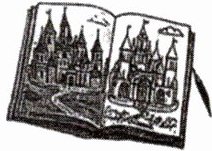
Classic novels have taught me many other lessons. I’ve picked up lots of useful words. I’ve also learned to write with my readers in mind. You can also read to write better. Walk into a great “castle(城堡)” and find out what makes it great. Over time, you’ll be ready to build a great “castle” of your own.
1. What question did the writer ask after finishing every classic novel?
2. What has the writer learned by reading classic novels?(Give at least 2 points.)
3. In many of the writer’s articles, what did he choose to do?
4. If you are in a book “castle”, which book will you choose? Give the name of the book and explain your reason.
When I was in college, I took English literature(文学) classes. Every month, we read and discussed a classic novel. The books had different themes, but we always asked the same question:What did the writer want people to get from the story?
For the first few months, I kept wondering:If a writer wants to express a message, why not do it directly? Why did Ernest Hemingway, for example, write about an old man fighting a big fish? Didn’t he just want to tell people to keep going when things get hard?
The more I read, the more I understood why. Great writers don’t tell;they show. Nobody likes a lecture(讲座). Just think about how you feel when your parents tell you not to waste money on blind boxes. But everybody enjoys a good story. While discussing a story, we uncover its deeper meanings. A good story makes a book a classic.
After all these years of editing(编辑) work, I’ve become a better writer. In many of my articles, I chose to “show” rather than “tell”. For example, I didn’t directly tell you to exercise more. Instead, I shared an experience that pushed me to change some habits.
Classic novels have taught me many other lessons. I’ve picked up lots of useful words. I’ve also learned to write with my readers in mind. You can also read to write better. Walk into a great “castle(城堡)” and find out what makes it great. Over time, you’ll be ready to build a great “castle” of your own.
1. What question did the writer ask after finishing every classic novel?
What did the writer want people to get from the story?
2. What has the writer learned by reading classic novels?(Give at least 2 points.)
The writer has learned to pick up lots of useful words and to write with readers in mind.
3. In many of the writer’s articles, what did he choose to do?
He chose to "show" rather than "tell".
4. If you are in a book “castle”, which book will you choose? Give the name of the book and explain your reason.
If I am in a book "castle", I will choose Pride and Prejudice by Jane Austen because its witty (巧妙的) dialogue and deep exploration of human relationships inspire me to write with more careness. (言之有理即可)
答案
1. What did the writer want people to get from the story? 2. The writer has learned to pick up lots of useful words and to write with readers in mind. 3. He chose to "show" rather than "tell". 4. If I am in a book "castle", I will choose Pride and Prejudice by Jane Austen because its witty (巧妙的) dialogue and deep exploration of human relationships inspire me to write with more careness. (言之有理即可)
解析
【分析】
这是一篇英语阅读简答题,解题思路清晰:前3道属于细节类题目,只需要带着题干的核心关键词回到原文对应段落精准定位,就能直接找到对应答案,无需复杂推导;第4道是开放表达题,选择一本自己熟悉的书籍,给出逻辑通顺的合理理由即可。具体步骤:第1题定位第一段末尾的共同提问,直接提取对应问题;第2题定位最后一段,提取读经典小说的至少两点收获;第3题定位第四段作者的写作习惯相关表述,直接提取内容;第4题结合自身阅读积累组织语言即可。
【解析】
1. 回到原文第一段末尾的内容“but we always asked the same question:What did the writer want people to get from the story?”,直接提取该问题作为答案。
2. 定位到原文最后一段的相关表述“Classic novels have taught me many other lessons. I’ve picked up lots of useful words. I’ve also learned to write with my readers in mind.”,提取两个明确的收获点整理为通顺的句子即可。
3. 定位到原文第四段“In many of my articles, I chose to “show” rather than “tell”.”,直接提取对应内容作答。
4. 本题为开放性试题,只要写出正确的书籍名称,给出符合书籍内容、逻辑通顺的理由,言之有理即可得分。
【答案】
1. What did the writer want people to get from the story?
2. The writer has learned to pick up lots of useful words and to write with readers in mind.
3. He chose to "show" rather than "tell".
4. If I am in a book "castle", I will choose Pride and Prejudice by Jane Austen because its witty (巧妙的) dialogue and deep exploration of human relationships inspire me to write with more careness. (言之有理即可)
【知识点】
细节信息查找,语篇内容理解,开放性书面表达
【点评】
本题属于中等难度的阅读简答题,前3道基础细节题帮助学生巩固从原文定位关键信息的阅读技巧,第4道开放题跳出机械答题的框架,引导学生结合自身阅读积累进行输出,既考察了基础阅读能力,也锻炼了英语表达和思辨能力。
【难度系数】
0.7
这是一篇英语阅读简答题,解题思路清晰:前3道属于细节类题目,只需要带着题干的核心关键词回到原文对应段落精准定位,就能直接找到对应答案,无需复杂推导;第4道是开放表达题,选择一本自己熟悉的书籍,给出逻辑通顺的合理理由即可。具体步骤:第1题定位第一段末尾的共同提问,直接提取对应问题;第2题定位最后一段,提取读经典小说的至少两点收获;第3题定位第四段作者的写作习惯相关表述,直接提取内容;第4题结合自身阅读积累组织语言即可。
【解析】
1. 回到原文第一段末尾的内容“but we always asked the same question:What did the writer want people to get from the story?”,直接提取该问题作为答案。
2. 定位到原文最后一段的相关表述“Classic novels have taught me many other lessons. I’ve picked up lots of useful words. I’ve also learned to write with my readers in mind.”,提取两个明确的收获点整理为通顺的句子即可。
3. 定位到原文第四段“In many of my articles, I chose to “show” rather than “tell”.”,直接提取对应内容作答。
4. 本题为开放性试题,只要写出正确的书籍名称,给出符合书籍内容、逻辑通顺的理由,言之有理即可得分。
【答案】
1. What did the writer want people to get from the story?
2. The writer has learned to pick up lots of useful words and to write with readers in mind.
3. He chose to "show" rather than "tell".
4. If I am in a book "castle", I will choose Pride and Prejudice by Jane Austen because its witty (巧妙的) dialogue and deep exploration of human relationships inspire me to write with more careness. (言之有理即可)
【知识点】
细节信息查找,语篇内容理解,开放性书面表达
【点评】
本题属于中等难度的阅读简答题,前3道基础细节题帮助学生巩固从原文定位关键信息的阅读技巧,第4道开放题跳出机械答题的框架,引导学生结合自身阅读积累进行输出,既考察了基础阅读能力,也锻炼了英语表达和思辨能力。
【难度系数】
0.7
