

 登录
A
[2026 南通市如东县模拟改编]On March 20, 2026, China saw a rare mix of sky events and cultural traditions. The traditional Dragon Head Raising Festival happened on the same day as the Spring Equinox(春分)—a special meeting that takes place about once every 19 years. The next one will happen in 2045.
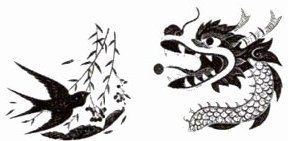
Celebrated on the second day of the second lunar month, the Dragon Head Raising Festival gets its meaning from ancient ideas about nature and new beginnings. In Chinese stories, the dragon wakes up with spring thunder, bringing life back to the land. For many people, the day marks a fresh start and carries the promise of a good harvest.
Well-loved traditions continue across the country. Many choose to get a haircut, a practice meant to leave behind bad luck and welcome new chances. Special "dragon-themed" foods are also widely enjoyed: spring pancakes for dragon scales, noodles for dragon whiskers(龙须), and wontons(馄饨) for dragon eyes. These dishes carry sincere wishes for health and good luck. Some families use herbs(草药) to drive away insects, expressing hopes for health and successful farming.
The Spring Equinox, one of China's 24 solar terms, arrives as the sun crosses the equator(赤道), making day and night almost equal in length around the world. As temperatures rise, swallows return, and thunder becomes more common. With good weather, enough rain and bright sunshine, crops grow quickly, making the equinox very important for farming.
The coming together of these two events carries a double meaning. The festival stands for rain, energy and the start of spring farming. The equinox represents balance, harmony(和谐) and natural growth. Together, they show the deep connection between Chinese culture and nature, and express people's common hope for good weather and fruitful years.
1. How often does the Dragon Head Raising Festival meet the Spring Equinox?
2. Where does the Dragon Head Raising Festival get its meaning?
3. Why do many people choose to get a haircut on the second day of the second lunar month?
4. What is the writer's purpose in writing this passage?
5. Please write a short comment on traditional Chinese solar terms and festivals based on the text.(About 30 words)
[2026 南通市如东县模拟改编]On March 20, 2026, China saw a rare mix of sky events and cultural traditions. The traditional Dragon Head Raising Festival happened on the same day as the Spring Equinox(春分)—a special meeting that takes place about once every 19 years. The next one will happen in 2045.
Celebrated on the second day of the second lunar month, the Dragon Head Raising Festival gets its meaning from ancient ideas about nature and new beginnings. In Chinese stories, the dragon wakes up with spring thunder, bringing life back to the land. For many people, the day marks a fresh start and carries the promise of a good harvest.
Well-loved traditions continue across the country. Many choose to get a haircut, a practice meant to leave behind bad luck and welcome new chances. Special "dragon-themed" foods are also widely enjoyed: spring pancakes for dragon scales, noodles for dragon whiskers(龙须), and wontons(馄饨) for dragon eyes. These dishes carry sincere wishes for health and good luck. Some families use herbs(草药) to drive away insects, expressing hopes for health and successful farming.
The Spring Equinox, one of China's 24 solar terms, arrives as the sun crosses the equator(赤道), making day and night almost equal in length around the world. As temperatures rise, swallows return, and thunder becomes more common. With good weather, enough rain and bright sunshine, crops grow quickly, making the equinox very important for farming.
The coming together of these two events carries a double meaning. The festival stands for rain, energy and the start of spring farming. The equinox represents balance, harmony(和谐) and natural growth. Together, they show the deep connection between Chinese culture and nature, and express people's common hope for good weather and fruitful years.
1. How often does the Dragon Head Raising Festival meet the Spring Equinox?
2. Where does the Dragon Head Raising Festival get its meaning?
3. Why do many people choose to get a haircut on the second day of the second lunar month?
4. What is the writer's purpose in writing this passage?
5. Please write a short comment on traditional Chinese solar terms and festivals based on the text.(About 30 words)
答案
1. About once every 19 years.
2. From ancient ideas about nature and new beginnings.
3. To leave behind bad luck and welcome new chances.
4. To introduce the special meeting of the Dragon Head Raising Festival and the Spring Equinox and show the connection between Chinese culture and nature.(言之有理即可)
5. Traditional festivals and solar terms tie our daily life closely to nature. They pass down ancient people's best wishes, and we should value and carry on these wonderful cultural treasures.(言之有理即可)
