

 登录
B
According to a People’s Daily news report on April 10, 2025, China Meteorological Administration(中国气象局) started a Level III emergency response(响应). From April 11 to 13, strong cold air will bring unusual, long-lasting winds to North China. Such strong winds are not common at this time of year. At the same time, eastern Inner Mongolia and Northeast China will have heavy snow, which can make roads slippery(湿滑) and affect daily life. The south will see this year’s strongest winds and hail, which are dangerous for people and their homes. Also, sand and dust storms will hit northwest China and Inner Mongolia.
At 6 am, the Central Meteorological Observatory(中央气象台) posted a yellow gale warning and a blue sandstorm warning. After careful research and meetings,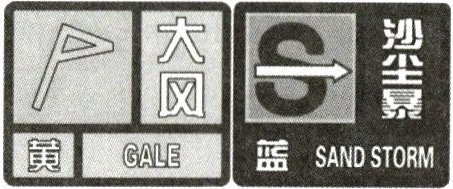
the weather agency acted quickly, entering Level III response on April 10. This helps them watch the weather closely and share timely information. Local governments are making every effort to prepare for these coming emergencies. What’s more, people are advised to adjust(调整) travel plans in order to avoid possible danger.
For students, safety must come first. Stay away from places like big billboards. Stop outdoor activities. Get ready for wind, snow, and sand—close windows, wear warm clothes if you go out, and use masks to keep out sand. Keep an eye on weather warnings on TV or the internet often. Following these tips can help us stay safe during bad weather. Remember, being careful keeps us protected!
(
A. North China.
B. The south of China.
C. Northwest China and Inner Mongolia.
D. Eastern Inner Mongolia and Northeast China.
(
A. To save money on transportation.
B. To follow government laws strictly.
C. To avoid dangerous weather conditions.
D. To keep an eye on weather emergencies.
(
A. Stop going out.
B. Avoid outdoor activities.
C. Close windows and wear masks.
D. Check weather warnings in time.
(
A. The strong winds in North China are common in April.
B. Southern China will not be affected by the bad weather.
C. The Central Meteorological Observatory posted a red gale warning.
D. People are advised to check timely information on TV or the internet.
(
A. In a travel guide.
B. On school online news.
C. On a club notice.
D. In a science magazine.
According to a People’s Daily news report on April 10, 2025, China Meteorological Administration(中国气象局) started a Level III emergency response(响应). From April 11 to 13, strong cold air will bring unusual, long-lasting winds to North China. Such strong winds are not common at this time of year. At the same time, eastern Inner Mongolia and Northeast China will have heavy snow, which can make roads slippery(湿滑) and affect daily life. The south will see this year’s strongest winds and hail, which are dangerous for people and their homes. Also, sand and dust storms will hit northwest China and Inner Mongolia.
At 6 am, the Central Meteorological Observatory(中央气象台) posted a yellow gale warning and a blue sandstorm warning. After careful research and meetings,
the weather agency acted quickly, entering Level III response on April 10. This helps them watch the weather closely and share timely information. Local governments are making every effort to prepare for these coming emergencies. What’s more, people are advised to adjust(调整) travel plans in order to avoid possible danger.
For students, safety must come first. Stay away from places like big billboards. Stop outdoor activities. Get ready for wind, snow, and sand—close windows, wear warm clothes if you go out, and use masks to keep out sand. Keep an eye on weather warnings on TV or the internet often. Following these tips can help us stay safe during bad weather. Remember, being careful keeps us protected!
(
D
)6. Which areas will experience heavy snow according to the report?A. North China.
B. The south of China.
C. Northwest China and Inner Mongolia.
D. Eastern Inner Mongolia and Northeast China.
(
C
)7. Why are people advised to adjust their travel plans?A. To save money on transportation.
B. To follow government laws strictly.
C. To avoid dangerous weather conditions.
D. To keep an eye on weather emergencies.
(
A
)8. Which action is NOT suggested for students to stay safe?A. Stop going out.
B. Avoid outdoor activities.
C. Close windows and wear masks.
D. Check weather warnings in time.
(
D
)9. What can we learn from the passage?A. The strong winds in North China are common in April.
B. Southern China will not be affected by the bad weather.
C. The Central Meteorological Observatory posted a red gale warning.
D. People are advised to check timely information on TV or the internet.
(
B
)10. Where can we probably read this passage?A. In a travel guide.
B. On school online news.
C. On a club notice.
D. In a science magazine.
答案
6. D 7. C 8. A 9. D 10. B
