

 登录
登录
B
Can't swim? No worries. There is a place in the Middle East where you can float(漂浮) on the water. It is the Dead Sea.
Different from its name, the Dead Sea isn't really a sea. It's a salt lake. As the saltiest body of water on Earth, people can float on the salty water easily. But no plants or animals can live in the situation. That's why the Dead Sea got its name.
The Dead Sea started to appear around 4,000,000 years ago. At first, the Mediterranean Sea filled the Jordan River Valley and created a lagoon(濒海湖). Then, around 2,000,000 years ago, movement of the Earth's crust(地壳) made the land between the lagoon and the sea rise. The land stood like a wall and stopped the sea from feeding the lagoon. The lagoon became a lake. As the weather got drier, the lake got smaller, and finally became two smaller lakes. One of the lakes is the Dead Sea. The other is the Sea of Galilee.
For thousands of years, the Dead Sea has been popular with visitors from all over the world. Not only do they like the floating fun in the lake, but they also enjoy the healing powers of the water and mud—the salt and other minerals(矿物质) are good for health.
However, water in the Dead Sea keeps going into the air. The Dead Sea is disappearing. It may dry out by 2050.
(
A. Nobody can swim in it.
B. There is no life around it.
C. No plants or animals can live in it.
D. It's disappearing because of weather.
(
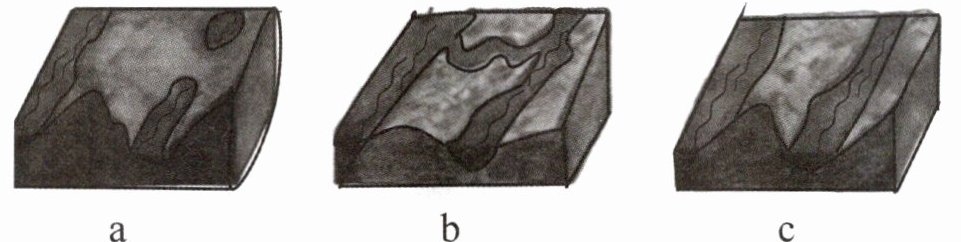
A. b→a→c B. b→c→a C. c→a→b D. c→b→a
(
A. Making things soft. B. Making things fun.
C. Making people healthy. D. Making people popular.
(
A. To tell how the Dead Sea will dry out.
B. To explain why visitors love the Dead Sea.
C. To show important facts about the Dead Sea.
D. To give good ways of protecting the Dead Sea.
Can't swim? No worries. There is a place in the Middle East where you can float(漂浮) on the water. It is the Dead Sea.
Different from its name, the Dead Sea isn't really a sea. It's a salt lake. As the saltiest body of water on Earth, people can float on the salty water easily. But no plants or animals can live in the situation. That's why the Dead Sea got its name.
The Dead Sea started to appear around 4,000,000 years ago. At first, the Mediterranean Sea filled the Jordan River Valley and created a lagoon(濒海湖). Then, around 2,000,000 years ago, movement of the Earth's crust(地壳) made the land between the lagoon and the sea rise. The land stood like a wall and stopped the sea from feeding the lagoon. The lagoon became a lake. As the weather got drier, the lake got smaller, and finally became two smaller lakes. One of the lakes is the Dead Sea. The other is the Sea of Galilee.
For thousands of years, the Dead Sea has been popular with visitors from all over the world. Not only do they like the floating fun in the lake, but they also enjoy the healing powers of the water and mud—the salt and other minerals(矿物质) are good for health.
However, water in the Dead Sea keeps going into the air. The Dead Sea is disappearing. It may dry out by 2050.
(
C
)5. How did the Dead Sea get its name?A. Nobody can swim in it.
B. There is no life around it.
C. No plants or animals can live in it.
D. It's disappearing because of weather.
(
B
)6. Which of the following shows how the Dead Sea appeared?A. b→a→c B. b→c→a C. c→a→b D. c→b→a
(
C
)7. What does the underlined word "healing" in Paragraph 4 probably mean?A. Making things soft. B. Making things fun.
C. Making people healthy. D. Making people popular.
(
C
)8. What is the main purpose of the text?A. To tell how the Dead Sea will dry out.
B. To explain why visitors love the Dead Sea.
C. To show important facts about the Dead Sea.
D. To give good ways of protecting the Dead Sea.
答案
5. C 6. B 7. C 8. C
解析
【分析】
这是一篇介绍死海的科普类阅读理解题,解题时我们可以按照不同题型的思路逐一突破:
1. 细节类题目直接回到题干对应的原文段落定位,找到和问题直接相关的语句,比对选项选出匹配答案;
2. 排序类的图示题,需要先梳理原文描述的死海形成的先后步骤,再把每个步骤和三个图示的状态一一对应,就能排出正确顺序;
3. 词义猜测题可以借助后文的解释说明内容,推导划线单词的含义;
4. 主旨类题目需要通读全文,概括文章整体介绍的内容,排除只覆盖局部内容的片面选项,选出最贴合全文的答案。
【解析】
5. 定位原文第二段最后两句:“But no plants or animals can live in the situation. That's why the Dead Sea got its name.”,明确说明死海得名的原因是没有动植物可以在其中生存,对应选项C。
6. 梳理第三段死海的形成过程:第一步,最初地中海填满约旦河谷形成濒海湖,对应图b的状态;第二步,地壳运动让濒海湖和海洋之间的陆地抬升形成屏障,阻断海水补给,对应图c的状态;第三步,气候变干,湖泊不断缩小最终分裂为死海和加利利海两个小湖,对应图a的状态,因此正确顺序是b→c→a,选B。
7. 划线词healing的后文用破折号补充说明“the salt and other minerals are good for health”,说明湖水和湖泥的作用是对健康有益,因此healing的含义是对健康有帮助的,对应选项C。
8. 全文依次介绍了死海的基本属性、名称由来、形成演化过程、旅游价值、面临干涸的现状,整体是在介绍关于死海的各类核心事实:选项A只讲死海干涸、选项B只讲游客喜爱死海,都属于局部内容,选项D文中没有提及保护死海的方法,因此选C。
【答案】
5.C 6.B 7.C 8.C
【知识点】
细节理解,词义猜测,主旨大意
【点评】
本题覆盖了初中英语阅读理解的经典题型,其中图文匹配的排序题对学生的信息转换能力有一定考察,其余题目都可以通过原文定位直接推导答案,干扰项设置难度低,适合考察学生说明文阅读的基础信息提取能力。
【难度系数】
0.7
这是一篇介绍死海的科普类阅读理解题,解题时我们可以按照不同题型的思路逐一突破:
1. 细节类题目直接回到题干对应的原文段落定位,找到和问题直接相关的语句,比对选项选出匹配答案;
2. 排序类的图示题,需要先梳理原文描述的死海形成的先后步骤,再把每个步骤和三个图示的状态一一对应,就能排出正确顺序;
3. 词义猜测题可以借助后文的解释说明内容,推导划线单词的含义;
4. 主旨类题目需要通读全文,概括文章整体介绍的内容,排除只覆盖局部内容的片面选项,选出最贴合全文的答案。
【解析】
5. 定位原文第二段最后两句:“But no plants or animals can live in the situation. That's why the Dead Sea got its name.”,明确说明死海得名的原因是没有动植物可以在其中生存,对应选项C。
6. 梳理第三段死海的形成过程:第一步,最初地中海填满约旦河谷形成濒海湖,对应图b的状态;第二步,地壳运动让濒海湖和海洋之间的陆地抬升形成屏障,阻断海水补给,对应图c的状态;第三步,气候变干,湖泊不断缩小最终分裂为死海和加利利海两个小湖,对应图a的状态,因此正确顺序是b→c→a,选B。
7. 划线词healing的后文用破折号补充说明“the salt and other minerals are good for health”,说明湖水和湖泥的作用是对健康有益,因此healing的含义是对健康有帮助的,对应选项C。
8. 全文依次介绍了死海的基本属性、名称由来、形成演化过程、旅游价值、面临干涸的现状,整体是在介绍关于死海的各类核心事实:选项A只讲死海干涸、选项B只讲游客喜爱死海,都属于局部内容,选项D文中没有提及保护死海的方法,因此选C。
【答案】
5.C 6.B 7.C 8.C
【知识点】
细节理解,词义猜测,主旨大意
【点评】
本题覆盖了初中英语阅读理解的经典题型,其中图文匹配的排序题对学生的信息转换能力有一定考察,其余题目都可以通过原文定位直接推导答案,干扰项设置难度低,适合考察学生说明文阅读的基础信息提取能力。
【难度系数】
0.7
