

 登录
4. —You look so tired. What's wrong?
—Too much homework
A.stresses me out; under stress
B.under stress; stresses me out
C.stresses me out; stress out
D.under stress; under stress
—Too much homework
A
. I'm really these days.A.stresses me out; under stress
B.under stress; stresses me out
C.stresses me out; stress out
D.under stress; under stress
答案
A
解析
【分析】
首先分析第一个空:句子主语是“Too much homework”,需要谓语成分,动词短语“stress sb out”表示“使某人压力过大”,符合语法结构;而“under stress”是介词短语,不能作谓语,因此排除B、D选项。接着分析第二个空:“I'm”后需接表语,“under stress”是介词短语,可作表语意为“处于压力之下”;“stress out”是动词短语,不能直接跟在be动词后作表语,因此排除C选项,最终确定答案为A。
【解析】
1. 第一个空:句子缺少谓语,“stress sb out”为动词短语,意为“使某人压力过大”,主语“Too much homework”是第三人称单数,谓语动词用第三人称单数形式“stresses”,故填“stresses me out”;“under stress”是介词短语,无法作谓语,排除B、D。
2. 第二个空:“I'm”后需接表语,“under stress”是介词短语,可作表语表示“处于压力之下”;“stress out”是动词短语,不能直接作表语,故填“under stress”。综上,答案选A。
【答案】
A
【知识点】
动词短语辨析;介词短语用法
【点评】
本题考查stress相关短语的语法功能与含义辨析,需明确动词短语和介词短语在句子中的不同作用,掌握两个核心短语的用法即可解题,属于基础题型。
【难度系数】
0.5
5. I never doubt
A.whether; visiting
B.that; visiting
C.that; being visited
D.if; a visit
B
the Sanxingdui Museum is well worth .A.whether; visiting
B.that; visiting
C.that; being visited
D.if; a visit
答案
B
解析
【分析】
首先回忆doubt的用法:当主句为否定句(如带有never)时,doubt后接宾语从句的引导词用that;若主句为肯定句,才用whether/if。其次掌握be worth的固定搭配:be worth doing sth.,表示“值得做某事”,用主动形式表被动含义,无需被动结构。结合选项逐一排除即可。
【解析】
1. 第一空:主句有never(否定词),doubt后宾语从句用that引导,排除A、D(A、D第一空用whether/if,用于肯定句的doubt后)。
2. 第二空:be worth的固定搭配是be worth doing sth.,用主动形式表被动,故用visiting,排除C(C用being visited,不符合搭配)。
综上,选B。
【答案】
B
【知识点】
宾语从句;be worth的用法
【点评】
本题考查英语基础语法中doubt引导宾语从句的用法及be worth的固定搭配,需牢记相关规则。
【难度系数】
0.5
6. —Do you know
—I’m wondering he has been in a mood to take on any possible challenge.
A.what is the matter with him; that
B.what's wrong with him; whether
C.what the matter is with him; whether
D.what the matter is with him; that
B
? He looks quite calm and quiet today.—I’m wondering he has been in a mood to take on any possible challenge.
A.what is the matter with him; that
B.what's wrong with him; whether
C.what the matter is with him; whether
D.what the matter is with him; that
答案
B
解析
【分析】
本题考查宾语从句的语序和引导词的选择。解题思路:先分析第一空宾语从句的语序是否正确,再结合主句含义判断第二空的引导词。
【解析】
1. 第一空:“what's wrong with sb”这类句式中,what是从句主语,本身为陈述语序,无需调整,因此排除语序错误的C、D选项。
2. 第二空:主句“I’m wondering”表不确定的疑问,从句需表达“是否”的含义,故用whether;that在宾语从句中无实际意义,不符合语境,排除A选项。综上,答案为B。
【答案】B
【知识点】宾语从句语序、宾语从句引导词
【点评】本题聚焦宾语从句的基础考点,特殊句式的语序规则和引导词选择是初中英语核心内容,难度适中,多数学生可通过掌握基础规则解题。
【难度系数】0.6
7. It's not a good way to solve problems if you often
A.help
B.deal
C.agree
D.argue
D
with your parents when you have different ideas.A.help
B.deal
C.agree
D.argue
答案
D
解析
【分析】首先理解句子语境:当你有不同想法时,经常和父母________不是解决问题的好方法。需结合动词词义及固定搭配,辨析选项选出符合语境的词。
【解析】句子表达“当有不同想法时,和父母争吵不是解决问题的好方法”。逐一分析选项:A.help(帮助),语义不符;B.deal(处理),deal with虽为固定搭配,但不符合语境;C.agree(同意),agree with表示同意某人,语义不通;D.argue(争吵),argue with sb是固定短语,意为“和某人争吵”,符合语境,故选D。
【答案】D
【知识点】动词词义辨析;固定短语搭配
【点评】本题考查动词词义及固定搭配的运用,需结合句意辨析各选项,难度适中。
【难度系数】0.5
【解析】句子表达“当有不同想法时,和父母争吵不是解决问题的好方法”。逐一分析选项:A.help(帮助),语义不符;B.deal(处理),deal with虽为固定搭配,但不符合语境;C.agree(同意),agree with表示同意某人,语义不通;D.argue(争吵),argue with sb是固定短语,意为“和某人争吵”,符合语境,故选D。
【答案】D
【知识点】动词词义辨析;固定短语搭配
【点评】本题考查动词词义及固定搭配的运用,需结合句意辨析各选项,难度适中。
【难度系数】0.5
8. —Have you
—Yes. I my cousin yesterday. He told me about it.
A.heard of; heard from
B.heard from; heard of
C.heard about; heard of
D.heard from; heard about
A
the big fire in the neighbourhood?—Yes. I my cousin yesterday. He told me about it.
A.heard of; heard from
B.heard from; heard of
C.heard about; heard of
D.heard from; heard about
答案
A
解析
【分析】
首先需辨析hear相关短语的含义:heard of意为“听说(间接得知某事)”,heard from意为“收到……的来信/消息”,heard about也有“听说”之意,但需结合语境选择合适短语。第一句询问是否间接得知附近的大火,第二句提到收到表弟的消息,据此匹配选项。
【解析】
1. 分析第一空:问句“Have you ______ the big fire in the neighbourhood?”表示“你听说附近的大火了吗?”,此处是间接得知某事,应用heard of;
2. 分析第二空:答句“I ______ my cousin yesterday. He told me about it.”表示“我昨天收到表弟的消息,他告诉我的”,此处是收到某人的消息,应用heard from;
3. 综上,正确选项为A。
【答案】
A
【知识点】
动词短语辨析
【点评】
本题考查易混动词短语的用法,需结合具体语境区分heard of与heard from的含义,是初中英语基础考点,难度适中。
【难度系数】
0.7
Ⅲ. 翻译句子
1. 在参加重要的考试前,人们正常会感到紧张。
2. 把大量的时间浪费在手机上你真傻。
3. 我的父母坚持他们的观点,我和他们沟通有困难。
4. 在我内心深处,我不愿意接受这次挑战。
5. 如果成绩让你压力很大,你可以和青少年工作者进行一次真诚的对话。
1. 在参加重要的考试前,人们正常会感到紧张。
It's normal to feel nervous before taking an important exam.
2. 把大量的时间浪费在手机上你真傻。
It's silly of you to waste a lot of time on mobile phones.
3. 我的父母坚持他们的观点,我和他们沟通有困难。
My parents stick to their opinions, and I have difficulty communicating with them.
4. 在我内心深处,我不愿意接受这次挑战。
In the bottom of my heart, I am unwilling to take on this challenge.
5. 如果成绩让你压力很大,你可以和青少年工作者进行一次真诚的对话。
If your grades stress you out, you can have an honest dialogue with a youth worker.
答案
1. It's normal to feel nervous before taking an important exam.
2. It's silly of you to waste a lot of time on mobile phones.
3. My parents stick to their opinions, and I have difficulty communicating with them.
4. In the bottom of my heart, I am unwilling to take on this challenge.
5. If your grades stress you out, you can have an honest dialogue with a youth worker.
解析
【分析】
翻译此类句子时,需先明确英语常用句型与固定搭配:1. 表“做某事是……的”用It's + adj + to do sth(it作形式主语,避免真正主语不定式后置导致句子头重脚轻);2. 若形容词修饰人的品质,需用It's + adj + of sb to do sth结构;3. 掌握固定短语如stick to(坚持)、have difficulty (in) doing sth(做某事有困难)、stress sb out(给某人压力)等;4. 条件状语从句用if引导,注意主从句的时态逻辑。
【解析】
1. 套用It's normal to do sth句型,“感到紧张”译为feel nervous,“参加重要考试”译为take an important exam,“在……前”用before+动名词,故译为It's normal to feel nervous before taking an important exam.
2. “傻的”修饰人的品质,用It's silly of sb to do sth结构,“浪费时间在手机上”译为waste a lot of time on mobile phones,故译为It's silly of you to waste a lot of time on mobile phones.
3. “坚持观点”译为stick to their opinions,“和他们沟通有困难”译为have difficulty communicating with them,用and连接并列分句,故译为My parents stick to their opinions, and I have difficulty communicating with them.
4. “在我内心深处”译为In the bottom of my heart,“不愿意接受挑战”译为am unwilling to take on this challenge,故译为In the bottom of my heart, I am unwilling to take on this challenge.
5. 用if引导条件状语从句,“成绩让你压力很大”译为your grades stress you out,“和青少年工作者真诚对话”译为have an honest dialogue with a youth worker,故译为If your grades stress you out, you can have an honest dialogue with a youth worker.
【答案】
1. It's normal to feel nervous before taking an important exam.
2. It's silly of you to waste a lot of time on mobile phones.
3. My parents stick to their opinions, and I have difficulty communicating with them.
4. In the bottom of my heart, I am unwilling to take on this challenge.
5. If your grades stress you out, you can have an honest dialogue with a youth worker.
【知识点】
It's adj to do sth句型,固定短语搭配,条件状语从句
【点评】
本题为基础汉译英题,考查英语常用句型、固定短语及条件状语从句的应用,需学生掌握核心句式和短语的正确使用,属于日常英语学习的基础题型。
【难度系数】
0.6
Ⅳ. (2026·江苏盐城月考)阅读理解
①Anger often makes us uncomfortable. Seeing your child's anger can be especially uncomfortable. In order to relieve(缓解) this feeling, parents will often encourage children to "stop crying" and say things like "It's nothing to cry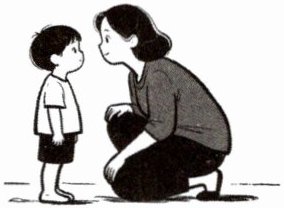
about." It's moments like these that plant the seeds of unhealthy anger. If a child never sees his or her parent express anger, he or she should never express anger either. But if a parent always expresses their anger loudly, the child may start to think of anger as something that is always frightening. So we should learn how to create healthier anger in our kids.
②The first thing you can do to create healthier anger in your children is to practise creating healthier anger in yourself. Once you're better at experiencing anger and expressing it in a healthy way, you'll be able to set a good example for your kids.
③Stopping kids from expressing their feelings is wrong. You may feel bad when you believe you are wrong. When children express their feelings and are told that it's nothing to cry about, they come to know that they themselves are bad.
④We need to raise them in an environment where it's safe to express feelings. Once you feel more comfortable with your own anger, you can teach your children why anger is a helpful feeling. When your kid expresses anger, help them examine what it is that has made them angry. Why did it make them angry? How did it do that? Then, you can teach them that those feelings are never wrong and our expressions of our feelings are in our control.
⑤Anger is natural and normal, and it can be experienced and expressed in a healthy way.
1. How does the writer begin the text?
A. By giving a scientific definition(定义) of anger.
B. By listing some research findings about anger.
C. By describing a common situation in family life.
D. By telling a personal story about raising children.
2. What should parents do to set a good example for children according to the text?
A. They should stop their children from expressing their feelings.
B. They should raise their children in a safe environment.
C. They should express their own anger in a healthier way.
D. They should let their children know they are bad or wrong.
3. Which of the following shows the structure of the text?
A. ①/②/③④⑤
B. ①/②③/④⑤
C. ①②/③④/⑤
D. ①/②③④/⑤
4. Which of the following can be the best title for the text?
A. Parents Should Create Healthier Anger in Themselves
B. Anger Often Makes Us and Our Children Uncomfortable
C. How Parents Should Create Healthier Anger in Their Kids
D. What Parents Should Do to Keep Children's Anger Under Control
①Anger often makes us uncomfortable. Seeing your child's anger can be especially uncomfortable. In order to relieve(缓解) this feeling, parents will often encourage children to "stop crying" and say things like "It's nothing to cry
about." It's moments like these that plant the seeds of unhealthy anger. If a child never sees his or her parent express anger, he or she should never express anger either. But if a parent always expresses their anger loudly, the child may start to think of anger as something that is always frightening. So we should learn how to create healthier anger in our kids.
②The first thing you can do to create healthier anger in your children is to practise creating healthier anger in yourself. Once you're better at experiencing anger and expressing it in a healthy way, you'll be able to set a good example for your kids.
③Stopping kids from expressing their feelings is wrong. You may feel bad when you believe you are wrong. When children express their feelings and are told that it's nothing to cry about, they come to know that they themselves are bad.
④We need to raise them in an environment where it's safe to express feelings. Once you feel more comfortable with your own anger, you can teach your children why anger is a helpful feeling. When your kid expresses anger, help them examine what it is that has made them angry. Why did it make them angry? How did it do that? Then, you can teach them that those feelings are never wrong and our expressions of our feelings are in our control.
⑤Anger is natural and normal, and it can be experienced and expressed in a healthy way.
1. How does the writer begin the text?
A. By giving a scientific definition(定义) of anger.
B. By listing some research findings about anger.
C. By describing a common situation in family life.
D. By telling a personal story about raising children.
2. What should parents do to set a good example for children according to the text?
A. They should stop their children from expressing their feelings.
B. They should raise their children in a safe environment.
C. They should express their own anger in a healthier way.
D. They should let their children know they are bad or wrong.
3. Which of the following shows the structure of the text?
A. ①/②/③④⑤
B. ①/②③/④⑤
C. ①②/③④/⑤
D. ①/②③④/⑤
4. Which of the following can be the best title for the text?
A. Parents Should Create Healthier Anger in Themselves
B. Anger Often Makes Us and Our Children Uncomfortable
C. How Parents Should Create Healthier Anger in Their Kids
D. What Parents Should Do to Keep Children's Anger Under Control
答案
1.C 2.C 3.D 4.C
解析
【分析】
这是一篇英语阅读理解题,需结合文章内容逐一分析各题:
1. 第1题考查文章开头方式,文章第一段描述了父母面对孩子生气时的常见反应,属于家庭生活中的普遍场景;
2. 第2题考查细节理解,需定位原文中父母给孩子树立榜样的相关表述;
3. 第3题考查文章结构,需梳理各段落的核心内容划分结构;
4. 第4题考查主旨大意,需提炼全文围绕的核心话题。
【解析】
1. 第1题:文章开篇通过描述父母面对孩子生气时常见的反应(如让孩子“停止哭泣”),这是家庭生活中的普遍场景,并非科学定义、研究发现或个人故事,故选C。
2. 第2题:根据第二段“The first thing you can do to create healthier anger in your children is to practise creating healthier anger in yourself. Once you're better at experiencing anger and expressing it in a healthy way, you'll be able to set a good example for your kids.”可知,父母应先以更健康的方式表达自身愤怒,为孩子树立榜样,故选C。
3. 第3题:文章结构划分:①段引出“需培养孩子健康的愤怒”的话题;②③④段具体阐述培养孩子健康愤怒的方法;⑤段总结观点,故结构为①/②③④/⑤,选D。
4. 第4题:全文围绕“父母如何培养孩子健康的愤怒”展开,A仅涉及父母自身,B是开头提到的现象,D与原文“健康表达愤怒”不符,故选C。
【答案】
1.C 2.C 3.D 4.C
【知识点】
英语阅读理解、细节理解、文章结构、主旨大意
【点评】
本题是一篇关于家庭教育的英语阅读理解,考查学生对文章细节、结构及主旨的理解,题目设置基础,需学生准确定位原文信息并梳理文章结构。
【难度系数】
0.6
