

 登录
登录
Ⅳ.Fill in the blanks with proper words.用适当的词语填空。
Chinese people love drinking tea. It is believed that we have enjoyed tea drinking for more than four thousand years. Over the long history, serving tea has 19. _______(gradual) become an important part of Chinese social life.
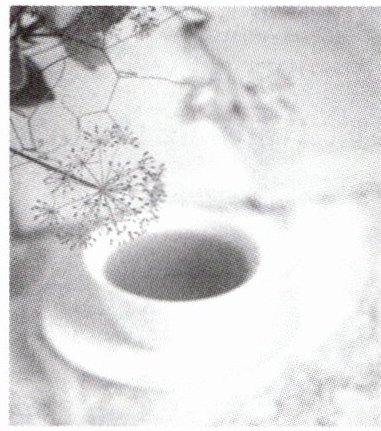
In Chinese culture, it is 20. _______ sign of respect to serve someone tea. The young can show respect to the old by 21. _______(offer) them a cup of tea. This is especially common during big events such 22. _______ birthdays and festivals.
In a traditional wedding ceremony婚礼,the new couple should serve tea to their parents to express their 23. _______(thank). The basic rule of serving tea is to offer guests a cup of tea as soon as they step into the house. And you are supposed to ask them their preferences before the tea is served. Also,it's 24. _______(polite) if the tea cup is too full. Just as the old 25. _______(say) goes,"Full cup of wine but half cup of tea. " Besides,the tea should not be too hot. When serving tea,hold the cup on 26. _______(you) right hand and serve it from the right side of the guest.
27. _______ the guest's cup is empty,you should fill it again.
Nowadays,we should learn more about the rules of serving tea. It's our duty 28. _______(pass) down Chinese traditions and customs.
Chinese people love drinking tea. It is believed that we have enjoyed tea drinking for more than four thousand years. Over the long history, serving tea has 19. _______(gradual) become an important part of Chinese social life.
In Chinese culture, it is 20. _______ sign of respect to serve someone tea. The young can show respect to the old by 21. _______(offer) them a cup of tea. This is especially common during big events such 22. _______ birthdays and festivals.
In a traditional wedding ceremony婚礼,the new couple should serve tea to their parents to express their 23. _______(thank). The basic rule of serving tea is to offer guests a cup of tea as soon as they step into the house. And you are supposed to ask them their preferences before the tea is served. Also,it's 24. _______(polite) if the tea cup is too full. Just as the old 25. _______(say) goes,"Full cup of wine but half cup of tea. " Besides,the tea should not be too hot. When serving tea,hold the cup on 26. _______(you) right hand and serve it from the right side of the guest.
27. _______ the guest's cup is empty,you should fill it again.
Nowadays,we should learn more about the rules of serving tea. It's our duty 28. _______(pass) down Chinese traditions and customs.
答案
Ⅳ.19. gradually 20. a 21. offering 22. as
23. thanks 24. impolite 25. saying 26. your
27. When/If 28. to pass
23. thanks 24. impolite 25. saying 26. your
27. When/If 28. to pass
解析
【分析】
这是一篇主题为中国传统奉茶礼仪的语法填空题,解题时首先通读全文,理清文章介绍中国茶文化奉茶相关习俗的核心主旨,之后逐空分析句子结构和语境:
1. 遇到给出提示词的空格,先判断空格在句中充当的成分,确定需要转换的词性:比如修饰动词要用副词、介词后接动名词、物主代词后接名词等;
2. 遇到没有给出提示词的空格,结合固定搭配、语境逻辑判断需要填入的冠词、介词、连词等,最后代入答案通读验证语义通顺、语法正确即可。
【解析】
19. 此处修饰动词become,需要将形容词gradual变为副词形式gradually,意为“逐渐地”,句意为:在漫长的历史中,奉茶逐渐成为中国社会生活的重要部分。
20. 此处表示“一种尊重的象征”,sign是可数名词单数,表泛指要填入不定冠词a。
21. 空前是介词by,介词后接动词需要用动名词形式,因此offer变为offering,by doing sth. 表示“通过做某事”。
22. 此处是固定搭配such as,意为“例如、比如”,用来列举生日、节日这类大型活动。
23. 空前是形容词性物主代词their,后面需要接名词,thank的名词复数thanks表示“谢意、感谢”,符合语境“向父母表达他们的谢意”。
24. 根据常识和后文“茶杯不能太满”的描述,可知如果茶杯装太满是不礼貌的,因此要将polite变为否定形式impolite。
25. 此处是固定表达the old saying,意为“老话、俗语”,因此将动词say变为名词saying。
26. 空后是名词right hand,需要用形容词性物主代词修饰名词,因此将you变为your。
27. 此处引导状语从句,句意为“当/如果客人的杯子空了,你应该再添满茶”,填入When(当……时)或者If(如果)都符合逻辑。
28. 此处是固定句型It is one's duty to do sth.,意为“做某事是某人的职责”,不定式作真正的主语,因此填入to pass。
【答案】
19. gradually 20. a 21. offering 22. as 23. thanks 24. impolite 25. saying 26. your 27. When/If 28. to pass
【知识点】
词性转换,固定搭配,基础句法
【点评】
本题以中国传统茶文化为载体,考察初中阶段核心的语法填空考点,题目难度适中,既考察学生对副词、动名词、物主代词等词性转换的掌握,也考察了固定短语、常用句型的积累,同时渗透了中国传统文化相关的常识,引导学生关注传统习俗。
【难度系数】
0.7
这是一篇主题为中国传统奉茶礼仪的语法填空题,解题时首先通读全文,理清文章介绍中国茶文化奉茶相关习俗的核心主旨,之后逐空分析句子结构和语境:
1. 遇到给出提示词的空格,先判断空格在句中充当的成分,确定需要转换的词性:比如修饰动词要用副词、介词后接动名词、物主代词后接名词等;
2. 遇到没有给出提示词的空格,结合固定搭配、语境逻辑判断需要填入的冠词、介词、连词等,最后代入答案通读验证语义通顺、语法正确即可。
【解析】
19. 此处修饰动词become,需要将形容词gradual变为副词形式gradually,意为“逐渐地”,句意为:在漫长的历史中,奉茶逐渐成为中国社会生活的重要部分。
20. 此处表示“一种尊重的象征”,sign是可数名词单数,表泛指要填入不定冠词a。
21. 空前是介词by,介词后接动词需要用动名词形式,因此offer变为offering,by doing sth. 表示“通过做某事”。
22. 此处是固定搭配such as,意为“例如、比如”,用来列举生日、节日这类大型活动。
23. 空前是形容词性物主代词their,后面需要接名词,thank的名词复数thanks表示“谢意、感谢”,符合语境“向父母表达他们的谢意”。
24. 根据常识和后文“茶杯不能太满”的描述,可知如果茶杯装太满是不礼貌的,因此要将polite变为否定形式impolite。
25. 此处是固定表达the old saying,意为“老话、俗语”,因此将动词say变为名词saying。
26. 空后是名词right hand,需要用形容词性物主代词修饰名词,因此将you变为your。
27. 此处引导状语从句,句意为“当/如果客人的杯子空了,你应该再添满茶”,填入When(当……时)或者If(如果)都符合逻辑。
28. 此处是固定句型It is one's duty to do sth.,意为“做某事是某人的职责”,不定式作真正的主语,因此填入to pass。
【答案】
19. gradually 20. a 21. offering 22. as 23. thanks 24. impolite 25. saying 26. your 27. When/If 28. to pass
【知识点】
词性转换,固定搭配,基础句法
【点评】
本题以中国传统茶文化为载体,考察初中阶段核心的语法填空考点,题目难度适中,既考察学生对副词、动名词、物主代词等词性转换的掌握,也考察了固定短语、常用句型的积累,同时渗透了中国传统文化相关的常识,引导学生关注传统习俗。
【难度系数】
0.7
