

 登录
登录
一、完形填空
Tom is a good boy. He is seven 1 old, and he is going to school soon. But Tom has a shortcoming. He can't 2 early. He always sleeps until nine or ten o'clock in the 3.
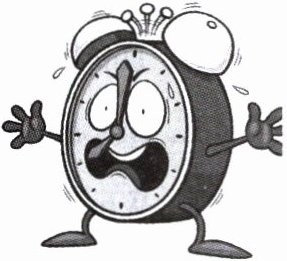
Tom's mother doesn't want him to be 4 for school. So she buys him an alarm clock. She says to Tom, "You must get up when you 5 the clock ring."
"Yes, Mum," says Tom. And from then on, Tom gets up when he hears the clock ring 6 6:30 every morning.
One day, his mother forgets to wind up the clock. And this morning Tom doesn't get up at 6:30. It's time for 7. His mother goes to wake him up. Tom is in bed and his eyes are 8. He says to his mother, "I wake up very early."
"Then 9 don't you get up?" His mother is very angry.
"You 10 me that I must get up when I hear the clock ring. So I am still waiting."
(
(
(
(
(
(
(
(
(
(
Tom is a good boy. He is seven 1 old, and he is going to school soon. But Tom has a shortcoming. He can't 2 early. He always sleeps until nine or ten o'clock in the 3.
Tom's mother doesn't want him to be 4 for school. So she buys him an alarm clock. She says to Tom, "You must get up when you 5 the clock ring."
"Yes, Mum," says Tom. And from then on, Tom gets up when he hears the clock ring 6 6:30 every morning.
One day, his mother forgets to wind up the clock. And this morning Tom doesn't get up at 6:30. It's time for 7. His mother goes to wake him up. Tom is in bed and his eyes are 8. He says to his mother, "I wake up very early."
"Then 9 don't you get up?" His mother is very angry.
"You 10 me that I must get up when I hear the clock ring. So I am still waiting."
(
B
) 1. A. months B. years C. weeks D. hours(
A
) 2. A. get up B. have breakfast C. do homework D. go to school(
A
) 3. A. morning B. afternoon C. evening D. night(
D
) 4. A. happy B. sad C. early D. late(
C
) 5. A. see B. watch C. hear D. make(
B
) 6. A. in B. at C. on D. to(
A
) 7. A. breakfast B. lunch C. supper D. dinner(
D
) 8. A. small B. big C. open D. closed(
D
) 9. A. when B. what C. how D. why(
C
)10. A. ask B. say C. tell D. speak答案
【解析】:
这是一道英语完形填空题,主要考查词汇、短语以及上下文理解能力。解题的关键在于结合语境和日常表达习惯,对每个空进行逐一分析。
1. 第一空:“他七岁大”,表示年龄用“years old”,所以选B。
2. 第二空:根据下文“他总是睡到九点或十点”可知他不能早起,“get up”是“起床”的意思,选A。
3. 第三空:前面说起床时间,所以这里是“在早上”,“in the morning”,选A。
4. 第四空:妈妈不想他上学迟到,“be late for school”是“上学迟到”,选D。
5. 第五空:妈妈说听到闹钟响就必须起床,“hear”是“听到”,选C。
6. 第六空:在具体的时间点“6:30”用“at”,选B。
7. 第七空:早上是吃早餐的时间,“It's time for breakfast”,选A。
8. 第八空:从下文他说自己很早就醒了可知他眼睛是闭着的,“closed”,选D。
9. 第九空:妈妈问他为什么不起床,“why”是“为什么”,选D。
10. 第十空:妈妈说的话用“tell”,选C。
【答案】:
1. B;2. A;3. A;4. D;5. C;6. B;7. A;8. D;9. D;10. C
这是一道英语完形填空题,主要考查词汇、短语以及上下文理解能力。解题的关键在于结合语境和日常表达习惯,对每个空进行逐一分析。
1. 第一空:“他七岁大”,表示年龄用“years old”,所以选B。
2. 第二空:根据下文“他总是睡到九点或十点”可知他不能早起,“get up”是“起床”的意思,选A。
3. 第三空:前面说起床时间,所以这里是“在早上”,“in the morning”,选A。
4. 第四空:妈妈不想他上学迟到,“be late for school”是“上学迟到”,选D。
5. 第五空:妈妈说听到闹钟响就必须起床,“hear”是“听到”,选C。
6. 第六空:在具体的时间点“6:30”用“at”,选B。
7. 第七空:早上是吃早餐的时间,“It's time for breakfast”,选A。
8. 第八空:从下文他说自己很早就醒了可知他眼睛是闭着的,“closed”,选D。
9. 第九空:妈妈问他为什么不起床,“why”是“为什么”,选D。
10. 第十空:妈妈说的话用“tell”,选C。
【答案】:
1. B;2. A;3. A;4. D;5. C;6. B;7. A;8. D;9. D;10. C
解析
翻译:
### 一、完形填空
汤姆是个好男孩。他七岁了,很快就要上学了。但是汤姆有个缺点。他不能早起。他总是在早上睡到九点或十点。
汤姆的妈妈不想让他上学迟到。所以她给他买了一个闹钟。她对汤姆说:“当你听到闹钟响的时候,你必须起床。”
“好的,妈妈。”汤姆说。从那以后,汤姆每天早上六点半听到闹钟响就起床。
有一天,他的妈妈忘记给闹钟上发条了。今天早上汤姆六点半没有起床。到吃早饭的时间了。他的妈妈去叫醒他。汤姆躺在床上,眼睛睁着。他对他的妈妈说:“我醒得很早。”
“那你为什么不起床?”他的妈妈很生气。
“你告诉我,当我听到闹钟响的时候我必须起床。所以我还在等。”
( )1. A. 月 B. 岁 C. 周 D. 小时
( )2. A. 起床 B. 吃早饭 C. 做作业 D. 去上学
( )3. A. 早上 B. 下午 C. 晚上 D. 夜里
( )4. A. 高兴的 B. 难过的 C. 早的 D. 晚的,迟到的
( )5. A. 看见 B. 观看 C. 听见 D. 制作
( )6. A. 在(年、月、季节等) B. 在(具体时刻) C. 在(具体某一天或某一天的上午、下午、晚上) D. 到,向
( )7. A. 早饭 B. 午饭 C. 晚饭 D. 正餐(常指晚餐)
( )8. A. 小的 B. 大的 C. 睁开的 D. 关闭的
( )9. A. 什么时候 B. 什么 C. 怎样 D. 为什么
( )10. A. 问 B. 说(强调说的内容) C. 告诉 D. 讲(常接语言)
### 一、完形填空
汤姆是个好男孩。他七岁了,很快就要上学了。但是汤姆有个缺点。他不能早起。他总是在早上睡到九点或十点。
汤姆的妈妈不想让他上学迟到。所以她给他买了一个闹钟。她对汤姆说:“当你听到闹钟响的时候,你必须起床。”
“好的,妈妈。”汤姆说。从那以后,汤姆每天早上六点半听到闹钟响就起床。
有一天,他的妈妈忘记给闹钟上发条了。今天早上汤姆六点半没有起床。到吃早饭的时间了。他的妈妈去叫醒他。汤姆躺在床上,眼睛睁着。他对他的妈妈说:“我醒得很早。”
“那你为什么不起床?”他的妈妈很生气。
“你告诉我,当我听到闹钟响的时候我必须起床。所以我还在等。”
( )1. A. 月 B. 岁 C. 周 D. 小时
( )2. A. 起床 B. 吃早饭 C. 做作业 D. 去上学
( )3. A. 早上 B. 下午 C. 晚上 D. 夜里
( )4. A. 高兴的 B. 难过的 C. 早的 D. 晚的,迟到的
( )5. A. 看见 B. 观看 C. 听见 D. 制作
( )6. A. 在(年、月、季节等) B. 在(具体时刻) C. 在(具体某一天或某一天的上午、下午、晚上) D. 到,向
( )7. A. 早饭 B. 午饭 C. 晚饭 D. 正餐(常指晚餐)
( )8. A. 小的 B. 大的 C. 睁开的 D. 关闭的
( )9. A. 什么时候 B. 什么 C. 怎样 D. 为什么
( )10. A. 问 B. 说(强调说的内容) C. 告诉 D. 讲(常接语言)
