

 登录
登录
A(2025·苏州期末阳光测评)
From a green hand to a skilled artist, the story of Louise Audinet shows her love of Chinese culture and her love of Suzhou.
The 79-year-old 1.
Her first teacher faced 3.
"We are 6.
8.
From a green hand to a skilled artist, the story of Louise Audinet shows her love of Chinese culture and her love of Suzhou.
The 79-year-old 1.
French
(France) woman used to be a Maths teacher. Because of her liking for Chinese culture, she devoted herself to 2. learning
(learn) Chinese painting for four years in Suzhou. She also picked up Chinese and Kunqu Opera in her spare time.Her first teacher faced 3.
challenges
(challenge) as Louise spoke no Chinese. Through her hard work, Louise could use brush pens 4. correctly
(correct) and learned the basics of Chinese painting quickly. She was lucky to have other teachers to help 5. her
(she)."We are 6.
amazed
(amazing) by her efforts in learning Chinese painting," Du said. Louise 7. appeared
(appear) in the studio as early as possible and studied for over 10 hours every day.8.
When
Louise came back to France in 2013, she decorated her home in Suzhou style with red lanterns and Chinese knots(中国结). She also wrote 9. a
book called Travel in Suzhou to share her experiences. "I feel really thankful for China and Suzhou 10. because
I enjoyed a colourful life and lived my dream," Louise said online.答案
【解析】:
这是一道英语短文填空题,主要考查词汇在语境中的运用,包括词性转换、固定搭配等知识点。解题的关键在于结合上下文语境,准确判断所给单词的适当形式以及选择合适的词汇来填空。
1. 第一空需要一个形容词来修饰名词“woman”,所给词“France”的形容词形式是“French”,表示“法国的”。
2. 第二空考查固定搭配“devote oneself to doing sth.”,意为“致力于做某事”,所以“learn”要用动名词形式“learning”。
3. 第三空在动词“faced”后,需要用名词作宾语,“challenge”是可数名词,这里表示面临的挑战,用复数形式“challenges”。
4. 第四空修饰动词“use”,要用副词形式,“correct”的副词是“correctly”,表示“正确地”。
5. 第五空在动词“help”后,作宾语,要用宾格形式“her”。
6. 第六空考查固定搭配“be amazed by”,意为“对……感到惊讶”,所以用“amazed”。
7. 第七空根据语境可知是描述过去经常发生的动作,要用一般过去时,“appear”的过去式是“appeared”。
8. 第八空根据前后句的逻辑关系,这里表示时间顺序,“当……时候”用“When”。
9. 第九空“book”是可数名词单数,这里表示“一本”书,用不定冠词“a”。
10. 第十空前后句是因果关系,这里表示原因,用“because”。
【答案】:
1. French
2. learning
3. challenges
4. correctly
5. her
6. amazed
7. appeared
8. When
9. a
10. because
这是一道英语短文填空题,主要考查词汇在语境中的运用,包括词性转换、固定搭配等知识点。解题的关键在于结合上下文语境,准确判断所给单词的适当形式以及选择合适的词汇来填空。
1. 第一空需要一个形容词来修饰名词“woman”,所给词“France”的形容词形式是“French”,表示“法国的”。
2. 第二空考查固定搭配“devote oneself to doing sth.”,意为“致力于做某事”,所以“learn”要用动名词形式“learning”。
3. 第三空在动词“faced”后,需要用名词作宾语,“challenge”是可数名词,这里表示面临的挑战,用复数形式“challenges”。
4. 第四空修饰动词“use”,要用副词形式,“correct”的副词是“correctly”,表示“正确地”。
5. 第五空在动词“help”后,作宾语,要用宾格形式“her”。
6. 第六空考查固定搭配“be amazed by”,意为“对……感到惊讶”,所以用“amazed”。
7. 第七空根据语境可知是描述过去经常发生的动作,要用一般过去时,“appear”的过去式是“appeared”。
8. 第八空根据前后句的逻辑关系,这里表示时间顺序,“当……时候”用“When”。
9. 第九空“book”是可数名词单数,这里表示“一本”书,用不定冠词“a”。
10. 第十空前后句是因果关系,这里表示原因,用“because”。
【答案】:
1. French
2. learning
3. challenges
4. correctly
5. her
6. amazed
7. appeared
8. When
9. a
10. because
解析
翻译:
A(2025·苏州期末阳光测评)
从一名新手成长为一名技艺精湛的艺术家,路易丝·奥迪内的故事展现了她对中国文化的热爱以及对苏州的喜爱。
这位79岁的法国女士曾是一名数学教师。由于她喜爱中国文化,她在苏州潜心学习中国画四年。她还在业余时间学习中文和昆曲。
她的第一位老师面临着挑战,因为路易丝不会说中文。通过努力学习,路易丝能够正确使用毛笔,并且很快学会了中国画的基础知识。她很幸运有其他老师帮助她。
“我们对她学习中国画的努力感到惊讶,”杜说。路易丝尽可能早地出现在画室,每天学习超过10个小时。
2013年路易丝回到法国后,她用红灯笼和中国结把家装饰成苏州风格。她还写了一本名为《苏州之旅》的书来分享她的经历。“我真的很感谢中国和苏州,因为我享受了丰富多彩的生活,实现了我的梦想,”路易丝在网上说。
The Chinese character "Fu" is very important in Chinese culture. It means happiness and people use it as a symbol to share their hopes for the new year. The history of 1. 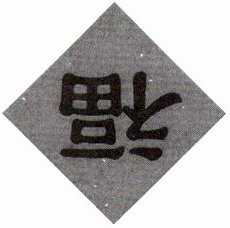
Speaking of the "reversed Fu", there is 3.
Empress Ma found the situation turned a little more serious. She 10.
sticking
(stick) the "Fu" character on walls, doors and windows is long. When we put the character "Fu" 2. on
doors, it can be both normal or upside down(倒转) — as in Chinese the "reversed(倒的) Fu" means "Fu comes".Speaking of the "reversed Fu", there is 3.
a
story. In the Ming Dynasty, the first emperor Zhu Yuanzhang 4. planned
(plan) to kill a family. So the Chinese character "Fu" was 5. put
(put) on the door of the family as a mark. His wife, Empress Ma, wanted to save the family. She ordered every family to put the character "Fu" on their 6. doors
(door). All the people followed her order, but one family didn't know how 7. to read
(read) or write. They put the character upside down. On the 8. second
(two) day, when the soldiers went to the streets, they found the character everywhere, including the upside down one. When the emperor heard this, he was very angry. He ordered the soldiers to kill the family 9. that/which
had put the character wrong.Empress Ma found the situation turned a little more serious. She 10.
quickly
(quick) explained, "That family knew you would visit them today, so they did that specially. Doesn't that mean 'Fu comes' today?" Finally the emperor decided to let the family go. Since then, people have put the "Fu" character upside down to wish for good luck.答案
1. sticking
2. on
3. a
4. planned
5. put
6. doors
7. to read
8. second
9. that/which
10. quickly
2. on
3. a
4. planned
5. put
6. doors
7. to read
8. second
9. that/which
10. quickly
解析
翻译:
汉字“福”在中国文化中非常重要。它意味着幸福,人们把它当作一种象征来分享他们对新年的希望。把“福”字贴在墙上、门上和窗户上的历史由来已久。当我们把“福”字贴在门上时,它可以正着贴,也可以倒着贴——因为在汉语中,“倒福”意味着“福到”。
说到“倒福”,有一个故事。在明朝,开国皇帝朱元璋计划杀掉一家人。于是,这家人的门上被贴上了汉字“福”作为标记。他的妻子马皇后想要救这家人。她命令每家每户都在自家的门上贴上“福”字。所有人都遵从了她的命令,但有一户人家不识字。他们把“福”字贴倒了。第二天,当士兵们走到街上时,他们发现到处都贴着“福”字,包括那个倒着的。当皇帝听到这件事时,他非常生气。他命令士兵杀掉那个贴错“福”字的家庭。
马皇后发现情况变得有点更严重了。她迅速解释道:“那家人知道您今天会去他们家,所以他们特意那样做。这不就意味着‘今天福到’了吗?”最后,皇帝决定放了那家人。从那以后,人们就把“福”字倒着贴来祈求好运。
C(2024·常熟外国语学校模拟)
Recently, Beijing silk figurines(北京绢人), with fine clothing and lively facial expressions, have proved that they are just as attractive as modern toys.
Beijing silk figurines have 1.
He Mei is 3.
Now her team is working hard to make Beijing silk figurines go 7.
Traditional Chinese culture is the main source of the inspiration(灵感) for their designs. The first Beijing silk figurines the team produced were modelled after the different roles in Peking Opera.
9.
Besides, her company has even worked with robot companies to power their figurines with technology 10.
Recently, Beijing silk figurines(北京绢人), with fine clothing and lively facial expressions, have proved that they are just as attractive as modern toys.
Beijing silk figurines have 1.
a
history of more than 1,000 years, dating all the way to the Tang Dynasty. Usually, a 2. traditional
(tradition) silk figurine is mainly made of natural silk.He Mei is 3.
considered
(consider) as an inheritor(传承者) of Beijing silk figurines. When 4. seeing
(see) the dolls, she was so interested in their appearances 5. that
she decided to learn the skill of making them. Later she 6. set
(set) up her company in 2013 to produce silk figurines.Now her team is working hard to make Beijing silk figurines go 7.
further
(far). "People are familiar 8. with
American Barbie dolls. I want to turn Beijing silk figurines into 'Chinese Barbie dolls'," she said.Traditional Chinese culture is the main source of the inspiration(灵感) for their designs. The first Beijing silk figurines the team produced were modelled after the different roles in Peking Opera.
9.
To make
(make) its products more popular, her team has developed complete DIY tool bags, so people can create a figurine of their own within an hour.Besides, her company has even worked with robot companies to power their figurines with technology 10.
successfully
(succeed). "The connection of the ancient folk art with technology will make people even more interested in the art," He said.答案
【解析】:
这是一道英语短文填空题,主要考查词汇、语法和语篇理解能力。需要根据上下文语境,填入合适的词汇或给出词汇的正确形式。题目涉及词性转换(如形容词变副词)、固定搭配(如be considered as)、时态(如一般过去时)、非谓语动词(如现在分词)以及从句连接词等知识点。
【答案】:
1. a
此处表示“北京绢人有超过1000年的历史”,表示泛指,且history以辅音音素开头,故填a。
2. traditional
此处修饰名词短语silk figurine,应用形容词形式,故填traditional。
3. considered
be considered as为固定搭配,意为“被认为是……”,故填considered。
4. seeing
此处为时间状语从句的省略,当从句主语与主句主语一致,且从句含有be动词时,可省略从句主语和be动词。she与see之间是主动关系,故填seeing。
5. that
此处为so...that...结构,意为“如此……以至于……”,引导结果状语从句,故填that。
6. set
根据时间状语in 2013可知,此处描述的是过去的事情,应用一般过去时,set的过去式还是set,故填set。
7. further
此处表示“让北京绢人走得更远”,应用far的比较级further,表示“更远地”,故填further。
8. with
be familiar with为固定搭配,意为“熟悉……”,故填with。
9. To make
此处表示“为了让产品更受欢迎”,应用不定式作目的状语,故填To make。
10. successfully
此处修饰动词power,应用副词形式,故填successfully。
这是一道英语短文填空题,主要考查词汇、语法和语篇理解能力。需要根据上下文语境,填入合适的词汇或给出词汇的正确形式。题目涉及词性转换(如形容词变副词)、固定搭配(如be considered as)、时态(如一般过去时)、非谓语动词(如现在分词)以及从句连接词等知识点。
【答案】:
1. a
此处表示“北京绢人有超过1000年的历史”,表示泛指,且history以辅音音素开头,故填a。
2. traditional
此处修饰名词短语silk figurine,应用形容词形式,故填traditional。
3. considered
be considered as为固定搭配,意为“被认为是……”,故填considered。
4. seeing
此处为时间状语从句的省略,当从句主语与主句主语一致,且从句含有be动词时,可省略从句主语和be动词。she与see之间是主动关系,故填seeing。
5. that
此处为so...that...结构,意为“如此……以至于……”,引导结果状语从句,故填that。
6. set
根据时间状语in 2013可知,此处描述的是过去的事情,应用一般过去时,set的过去式还是set,故填set。
7. further
此处表示“让北京绢人走得更远”,应用far的比较级further,表示“更远地”,故填further。
8. with
be familiar with为固定搭配,意为“熟悉……”,故填with。
9. To make
此处表示“为了让产品更受欢迎”,应用不定式作目的状语,故填To make。
10. successfully
此处修饰动词power,应用副词形式,故填successfully。
解析
翻译:
(2024·常熟外国语学校模拟)
最近,身着精美服饰、面部表情生动的北京绢人,证明了它们和现代玩具一样具有吸引力。
北京绢人有1000多年的历史,其历史可以一直追溯到唐朝。通常,一个传统的绢人主要由天然丝绸制成。
何梅被认为是北京绢人的传承者。当看到这些绢人娃娃时,她对它们的外形如此感兴趣,以至于她决定学习制作它们的技艺。后来,她在2013年成立了自己的公司来生产绢人。
现在她的团队正在努力让北京绢人走得更远。“人们对美国芭比娃娃很熟悉。我想把北京绢人变成‘中国芭比娃娃’,”她说。
中国传统文化是他们设计的主要灵感来源。该团队制作的第一批北京绢人是以京剧里的不同角色为原型的。
为了让其产品更受欢迎,她的团队开发了完整的DIY工具包,这样人们可以在一小时内制作出一个属于自己的绢人。
此外,她的公司甚至还与机器人公司合作,成功地用科技为他们的绢人赋能。“古老的民间艺术与科技的结合会让人们对这种艺术更感兴趣,”何梅说。
