

 登录
登录
六、传统文化任务型阅读。
阅读短文,回答下列问题。
When Xiong Chuanfa blows a lifelike tiger out of sugar in just minutes, kids look at him in surprise thinking he is a magician.
Xiong has been blowing sugar figurines(吹糖人) for over twenty years. Blowing sugar figurines is a traditional Chinese folk(民间) art with a history of over 600 years.
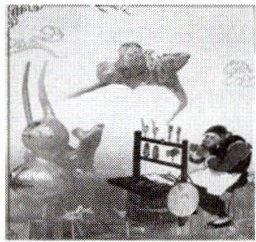
Every morning, Xiong prepares the sugar and drives to different markets in Nanchang to start his magic show. He heats(加热) the sugar, pulls off a little to make a ball and blows it into different shapes—a rabbit, a monkey, and so on.
People, especially little kids, are interested in his skills. To draw young people closer to the art, he also stops by colleges. Many college students have been drawn to the art, waiting in line for hands-on experience. Among them, Simon, a foreign student, couldn't help having a try. Though it looked easy, he felt that it was difficult to make sugar figurines. Thanks to Xiong's help, Simon finally saw a horse slowly taking shape.
Simon was deeply moved after learning about the art. "I just can't believe the traditional folk art can be kept so well here. I love it. Chinese culture should be spread around the world," he said.
This art has been passed down for four generations(代) in Xiong's family. His son often blows sugar balloons, just like what he used to do as a child.
"We will pass on the intangible heritage(非物质文化遗产)," said Xiong.
1. How many years of history does this folk art have?
2. Where does Xiong drive to start his magic show?
3. What do many college students wait in line for?
4. How did Simon feel when he made sugar figurines?
5. Do you like the traditional folk art? Why?
阅读短文,回答下列问题。
When Xiong Chuanfa blows a lifelike tiger out of sugar in just minutes, kids look at him in surprise thinking he is a magician.
Xiong has been blowing sugar figurines(吹糖人) for over twenty years. Blowing sugar figurines is a traditional Chinese folk(民间) art with a history of over 600 years.
Every morning, Xiong prepares the sugar and drives to different markets in Nanchang to start his magic show. He heats(加热) the sugar, pulls off a little to make a ball and blows it into different shapes—a rabbit, a monkey, and so on.
People, especially little kids, are interested in his skills. To draw young people closer to the art, he also stops by colleges. Many college students have been drawn to the art, waiting in line for hands-on experience. Among them, Simon, a foreign student, couldn't help having a try. Though it looked easy, he felt that it was difficult to make sugar figurines. Thanks to Xiong's help, Simon finally saw a horse slowly taking shape.
Simon was deeply moved after learning about the art. "I just can't believe the traditional folk art can be kept so well here. I love it. Chinese culture should be spread around the world," he said.
This art has been passed down for four generations(代) in Xiong's family. His son often blows sugar balloons, just like what he used to do as a child.
"We will pass on the intangible heritage(非物质文化遗产)," said Xiong.
1. How many years of history does this folk art have?
Over 600 years.
2. Where does Xiong drive to start his magic show?
Different markets in Nanchang.
3. What do many college students wait in line for?
They are waiting for hands-on experience.
4. How did Simon feel when he made sugar figurines?
He felt it was difficult.
5. Do you like the traditional folk art? Why?
Yes. Because it's very interesting.(答案不唯一)
答案
1. Over 600 years.
2. Different markets in Nanchang.
3. They are waiting for hands-on experience.
4. He felt it was difficult.
5. Yes. Because it's very interesting.(答案不唯一)
2. Different markets in Nanchang.
3. They are waiting for hands-on experience.
4. He felt it was difficult.
5. Yes. Because it's very interesting.(答案不唯一)
解析
【分析】
解题时需先通读全文把握大意,再针对每个问题回到原文定位对应信息:1. 查找吹糖人这一民间艺术的历史时长;2. 定位熊传发开始表演的地点;3. 找到大学生排队的目的;4. 提取Simon制作糖人时的感受;5. 主观题结合对传统艺术的理解给出合理答案即可。
【解析】
1. 根据短文第二段“Blowing sugar figurines is a traditional Chinese folk art with a history of over 600 years.”,可知该民间艺术有600多年历史,故答案为Over 600 years.
2. 根据短文第三段“Every morning, Xiong prepares the sugar and drives to different markets in Nanchang to start his magic show.”,可知熊传发开车去南昌的不同市场开始表演,故答案为Different markets in Nanchang.
3. 根据短文第四段“Many college students have been drawn to the art, waiting in line for hands-on experience.”,可知大学生排队是为了亲身体验,故答案为They are waiting for hands-on experience.
4. 根据短文第四段“Though it looked easy, he felt that it was difficult to make sugar figurines.”,可知Simon觉得制作糖人很难,故答案为He felt it was difficult.
5. 本题为开放性试题,结合对传统民间艺术的喜爱给出合理理由即可,示例答案为Yes. Because it's very interesting.
【答案】
1. Over 600 years.
2. Different markets in Nanchang.
3. They are waiting for hands-on experience.
4. He felt it was difficult.
5. Yes. Because it's very interesting.(答案不唯一)
【知识点】
英语阅读理解、民间文化阅读、细节理解
【点评】
本题以中国传统民间艺术“吹糖人”为阅读素材,将英语阅读能力考查与传统文化教育相结合,既引导学生关注传统民间技艺,又考查了学生的信息定位与提取能力,题目难度适中,符合任务型阅读的考查要求。
【难度系数】
0.6
解题时需先通读全文把握大意,再针对每个问题回到原文定位对应信息:1. 查找吹糖人这一民间艺术的历史时长;2. 定位熊传发开始表演的地点;3. 找到大学生排队的目的;4. 提取Simon制作糖人时的感受;5. 主观题结合对传统艺术的理解给出合理答案即可。
【解析】
1. 根据短文第二段“Blowing sugar figurines is a traditional Chinese folk art with a history of over 600 years.”,可知该民间艺术有600多年历史,故答案为Over 600 years.
2. 根据短文第三段“Every morning, Xiong prepares the sugar and drives to different markets in Nanchang to start his magic show.”,可知熊传发开车去南昌的不同市场开始表演,故答案为Different markets in Nanchang.
3. 根据短文第四段“Many college students have been drawn to the art, waiting in line for hands-on experience.”,可知大学生排队是为了亲身体验,故答案为They are waiting for hands-on experience.
4. 根据短文第四段“Though it looked easy, he felt that it was difficult to make sugar figurines.”,可知Simon觉得制作糖人很难,故答案为He felt it was difficult.
5. 本题为开放性试题,结合对传统民间艺术的喜爱给出合理理由即可,示例答案为Yes. Because it's very interesting.
【答案】
1. Over 600 years.
2. Different markets in Nanchang.
3. They are waiting for hands-on experience.
4. He felt it was difficult.
5. Yes. Because it's very interesting.(答案不唯一)
【知识点】
英语阅读理解、民间文化阅读、细节理解
【点评】
本题以中国传统民间艺术“吹糖人”为阅读素材,将英语阅读能力考查与传统文化教育相结合,既引导学生关注传统民间技艺,又考查了学生的信息定位与提取能力,题目难度适中,符合任务型阅读的考查要求。
【难度系数】
0.6
