

 登录
登录
(
A.active
B.famous
C.careful
D.patient
D
) 4.Don't hurry him. You will just have to be ______ and wait until he finishes the work.A.active
B.famous
C.careful
D.patient
答案
D
解析
本题可根据各选项单词的含义,结合题干语境来选择合适的答案。
选项A:“active”意为“积极的;活跃的”,代入题干“Don't hurry him. You will just have to be active and wait until he finishes the work.”,意思是“不要催促他。你只需要积极并等到他完成工作”,这与前文“不要催促他”的语境不符,所以A选项不合适。
选项B:“famous”意为“著名的;出名的”,代入题干“Don't hurry him. You will just have to be famous and wait until he finishes the work.”,意思是“不要催促他。你只需要出名并等到他完成工作”,语义不通,所以B选项不合适。
选项C:“careful”意为“小心的;仔细的”,代入题干“Don't hurry him. You will just have to be careful and wait until he finishes the work.”,意思是“不要催促他。你只需要小心并等到他完成工作”,不符合语境,所以C选项不合适。
选项D:“patient”意为“有耐心的”,代入题干“Don't hurry him. You will just have to be patient and wait until he finishes the work.”,意思是“不要催促他。你只需要有耐心并等到他完成工作”,符合语境。
选项A:“active”意为“积极的;活跃的”,代入题干“Don't hurry him. You will just have to be active and wait until he finishes the work.”,意思是“不要催促他。你只需要积极并等到他完成工作”,这与前文“不要催促他”的语境不符,所以A选项不合适。
选项B:“famous”意为“著名的;出名的”,代入题干“Don't hurry him. You will just have to be famous and wait until he finishes the work.”,意思是“不要催促他。你只需要出名并等到他完成工作”,语义不通,所以B选项不合适。
选项C:“careful”意为“小心的;仔细的”,代入题干“Don't hurry him. You will just have to be careful and wait until he finishes the work.”,意思是“不要催促他。你只需要小心并等到他完成工作”,不符合语境,所以C选项不合适。
选项D:“patient”意为“有耐心的”,代入题干“Don't hurry him. You will just have to be patient and wait until he finishes the work.”,意思是“不要催促他。你只需要有耐心并等到他完成工作”,符合语境。
(
A.being
B.to be
C.to do
D.been
B
) 5.There seems ______ no work for you to do now. You can watch TV for a while.A.being
B.to be
C.to do
D.been
答案
B
解析
seem后接动词不定式,构成"seem to do sth"结构。"there be"句型表示"存在有",此处应用"to be",构成"there seems to be",意为"似乎有"。A为现在分词,C为动词不定式但不符合"there be"结构,D为过去分词,均不正确。
(
—I don't like it at all. It's ______ interesting ______ exciting.
A.neither; nor
B.either; or
C.not only; but also
D.not; but
A
) 6.—What do you think of the book?—I don't like it at all. It's ______ interesting ______ exciting.
A.neither; nor
B.either; or
C.not only; but also
D.not; but
答案
A
解析
根据答句“I don't like it at all.”可知,这本书既不有趣也不令人兴奋。“neither...nor...”表示“既不……也不……”,符合语境。“either...or...”意为“要么……要么……”;“not only...but also...”意为“不仅……而且……”;“not...but...”意为“不是……而是……”,均不符合句意。
三、阅读理解
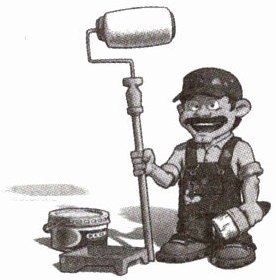
| Painters Wanted |
| Posted in: Jobs Wanted in Toronto, Canada |
| Posted: April 6th, 2025 |
| Post viewed: 32 times |
| Job type: Full-time |
| Specific skills: Prepare, clean and sand surfaces(表面) to be painted; repair holes |
| Industry: Construction(建筑) |
| Location: New York Road, BCV8Z3R1 |
| Salary: 25-30/hour (depending on skills) |
| How to apply: janetsema@yahoo.com |
| Job requirements |
| Languages: English & French |
| Education: No degrees needed |
| Experience: 5 years or more |
| |
(
A. Farmers.
B. Painters.
C. Cleaners.
D. Volunteers.
(
A. In Britain.
B. In France.
C. In Canada.
D. In America.
(
A. You can get at least 30 an hour.
B. You can send your information by email.
C. You don't need any work experience.
D. It's a part-time job with spoken English needed.
| Painters Wanted |
| Posted in: Jobs Wanted in Toronto, Canada |
| Posted: April 6th, 2025 |
| Post viewed: 32 times |
| Job type: Full-time |
| Specific skills: Prepare, clean and sand surfaces(表面) to be painted; repair holes |
| Industry: Construction(建筑) |
| Location: New York Road, BCV8Z3R1 |
| Salary: 25-30/hour (depending on skills) |
| How to apply: janetsema@yahoo.com |
| Job requirements |
| Languages: English & French |
| Education: No degrees needed |
| Experience: 5 years or more |
| |
(
B
) 1. What is the ad looking for?A. Farmers.
B. Painters.
C. Cleaners.
D. Volunteers.
(
C
) 2. Where can you get the job?A. In Britain.
B. In France.
C. In Canada.
D. In America.
(
B
) 3. Which of the following is TRUE about the job?A. You can get at least 30 an hour.
B. You can send your information by email.
C. You don't need any work experience.
D. It's a part-time job with spoken English needed.
答案
1. B
2. C
3. B
2. C
3. B
四、阅读填空
Sometimes your biggest weakness can become your biggest strength. A boy, who had l 1 his left arm in a car accident, began his lessons with a judo master(柔道大师). But after three months of hard t 2 , the master had taught him only one move. To know w 3 , the boy asked, "Teacher, shouldn't I be good enough to learn more moves besides this one only?" "But this is the only one you'll ever need to have." was the teacher's r 4 . Not quite understanding b 5 believing in his teacher, the boy continued. Several months later, the master took the boy to his first c 6 . The boy easily won his first two matches. The third match seemed to be more difficult, but after some time, his opponent (对手) became nervous and worried, so the boy a 7 used his one move to win the match. Now his opponent was s 8 and more experienced. For a while the boy seemed weaker. The judge was about to stop the match. "No," the teacher refused firmly(坚定地). The match went on. Just at this moment his opponent made a deadly m 9 . He dropped his guard when the boy gave him a sudden turnover. The boy was the final winner! On the way home he was told why he could win: the only known defense (防卫) for that most difficult move in judo was for his opponent to take hold of his l 10 arm!
1.
2.
3.
4.
5.
6.
7.
8.
9.
10.
Sometimes your biggest weakness can become your biggest strength. A boy, who had l 1 his left arm in a car accident, began his lessons with a judo master(柔道大师). But after three months of hard t 2 , the master had taught him only one move. To know w 3 , the boy asked, "Teacher, shouldn't I be good enough to learn more moves besides this one only?" "But this is the only one you'll ever need to have." was the teacher's r 4 . Not quite understanding b 5 believing in his teacher, the boy continued. Several months later, the master took the boy to his first c 6 . The boy easily won his first two matches. The third match seemed to be more difficult, but after some time, his opponent (对手) became nervous and worried, so the boy a 7 used his one move to win the match. Now his opponent was s 8 and more experienced. For a while the boy seemed weaker. The judge was about to stop the match. "No," the teacher refused firmly(坚定地). The match went on. Just at this moment his opponent made a deadly m 9 . He dropped his guard when the boy gave him a sudden turnover. The boy was the final winner! On the way home he was told why he could win: the only known defense (防卫) for that most difficult move in judo was for his opponent to take hold of his l 10 arm!
1.
lost
2.
training
3.
why
4.
reply
5.
but
6.
competition
7.
again
8.
stronger
9.
mistake
10.
left
答案
1. lost
2. training
3. why
4. reply
5. but
6. competition
7. again
8. stronger
9. mistake
10. left
2. training
3. why
4. reply
5. but
6. competition
7. again
8. stronger
9. mistake
10. left
解析
1. 根据句子“A boy, who had l 1 his left arm in a car accident”,这里描述的是一个男孩在车祸中失去了左臂,结合首字母l,可以推断出应该填“lost”。
2. 句子“But after three months of hard t 2 ”中,根据语境和首字母t,可以推断出这里指的是三个月的刻苦训练,所以填“training”。
3. 在句子“To know w 3 , the boy asked”中,男孩问老师是否应该学更多招式,结合首字母w,可以推断出他想知道为什么,所以填“why”。
4. 句子“'But this is the only one you'll ever need to have.' was the teacher's r 4 .”中,根据语境和首字母r,可以推断出这是老师的回答,所以填“reply”。
5. 在句子“Not quite understanding b 5 believing in his teacher, the boy continued.”中,根据语境和首字母b,可以推断出男孩虽然不完全理解但仍然相信老师,表示转折关系,所以填“but”。
6. 句子“Several months later, the master took the boy to his first c 6 .”中,根据语境和首字母c,可以推断出老师带男孩去参加他的第一次比赛,所以填“competition”。
7. 在句子“so the boy a 7 used his one move to win the match.”中,根据语境和首字母a,可以推断出男孩再次使用了他唯一的一招赢得了比赛,所以填“again”。
8. 句子“Now his opponent was s 8 and more experienced.”中,根据语境和首字母s,以及后面的“more experienced”,可以推断出对手更强大更有经验,所以填“stronger”。
9. 在句子“Just at this moment his opponent made a deadly m 9 .”中,根据语境和首字母m,可以推断出对手犯了一个致命的错误,所以填“mistake”。
10. 句子“He dropped his guard when the boy gave him a sudden turnover. The boy was the final winner! On the way home he was told why he could win: the only known defense (防卫) for that most difficult move in judo was for his opponent to take hold of his l 10 arm!”中,根据语境和首字母l,以及前文提到的男孩失去了左臂,可以推断出这里指的是左臂,所以填“left”。
2. 句子“But after three months of hard t 2 ”中,根据语境和首字母t,可以推断出这里指的是三个月的刻苦训练,所以填“training”。
3. 在句子“To know w 3 , the boy asked”中,男孩问老师是否应该学更多招式,结合首字母w,可以推断出他想知道为什么,所以填“why”。
4. 句子“'But this is the only one you'll ever need to have.' was the teacher's r 4 .”中,根据语境和首字母r,可以推断出这是老师的回答,所以填“reply”。
5. 在句子“Not quite understanding b 5 believing in his teacher, the boy continued.”中,根据语境和首字母b,可以推断出男孩虽然不完全理解但仍然相信老师,表示转折关系,所以填“but”。
6. 句子“Several months later, the master took the boy to his first c 6 .”中,根据语境和首字母c,可以推断出老师带男孩去参加他的第一次比赛,所以填“competition”。
7. 在句子“so the boy a 7 used his one move to win the match.”中,根据语境和首字母a,可以推断出男孩再次使用了他唯一的一招赢得了比赛,所以填“again”。
8. 句子“Now his opponent was s 8 and more experienced.”中,根据语境和首字母s,以及后面的“more experienced”,可以推断出对手更强大更有经验,所以填“stronger”。
9. 在句子“Just at this moment his opponent made a deadly m 9 .”中,根据语境和首字母m,可以推断出对手犯了一个致命的错误,所以填“mistake”。
10. 句子“He dropped his guard when the boy gave him a sudden turnover. The boy was the final winner! On the way home he was told why he could win: the only known defense (防卫) for that most difficult move in judo was for his opponent to take hold of his l 10 arm!”中,根据语境和首字母l,以及前文提到的男孩失去了左臂,可以推断出这里指的是左臂,所以填“left”。
