

 登录
登录
1 Complete the passage with the proper forms of the words or expression in brackets. 用括号中所给单词或表达的适当形式填空。
Ningbo Museum — A memory of the past
Ningbo Museum in Zhejiang province (1)
The building was designed to look like a mountain. Its lower part is square and firm, while the upper part angles outward. This “architecture as mountains” design (3)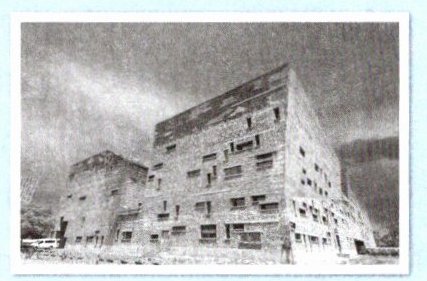
The museum’s most striking feature is its walls. Millions of old bricks and tiles (4)
During construction, traditional building methods (6)
Wang Shu believes that traditions should (8)
Ningbo Museum — A memory of the past
Ningbo Museum in Zhejiang province (1)
was designed
(design) by Wang Shu, a famous Chinese architect who (2) won
(win) the Pritzker Prize in 2012. Construction began in 2006 and ended three years later.The building was designed to look like a mountain. Its lower part is square and firm, while the upper part angles outward. This “architecture as mountains” design (3)
was created
(create) by Wang Shu to connect the building with nature. The museum’s most striking feature is its walls. Millions of old bricks and tiles (4)
were collected
(collect) from villages that had been torn down. These materials, some hundreds of years old, were carefully pieced together by local workers using traditional methods that (5) have been passed down
(pass down) for centuries.During construction, traditional building methods (6)
were employed
(employ) by local craftsmen. Fifty workers were brought in to place each brick by hand. Thanks to their careful and patient work, every detail of the walls was perfectly made. The result of this painstaking effort is a building like no other. Since its opening, the museum (7) has attracted
(attract) architecture lovers worldwide. What moves them is not just the appearance, but the ideas behind it. Here, Wang Shu gave new life to old materials and brought forgotten traditions into modern use. In doing so, he created a space where the past and the present exist side by side.Wang Shu believes that traditions should (8)
be brought
(bring) into modern life. This idea has been widely discussed in his articles and interviews. Today, Ningbo Museum (9) is recognised
(recognise) as one of China’s most important modern buildings. It (10) stands
(stand) as history itself — built from the stones of the past.答案
(1) was designed (2) won (3) was created (4) were collected (5) have been passed down
(6) were employed (7) has attracted (8) be brought (9) is recognised (10) stands
(6) were employed (7) has attracted (8) be brought (9) is recognised (10) stands
解析
【分析】
本题为英语语法填空题,需结合句子时态、语态、主谓一致及时间标志词等规则,将括号内单词变为正确形式。解题思路:先判断每个句子的时态(如过去时间用一般过去时、since引导的时间用现在完成时等),再分析主语与动词的主被动关系,最后结合语法结构调整单词形式。
【解析】
1. 主语Ningbo Museum与design是被动关系,动作发生在过去,用一般过去时的被动语态,故填was designed。
2. 时间状语为in 2012,表过去,用一般过去时,win的过去式为won,故填won。
3. 主语design与create是被动关系,动作发生在过去,用一般过去时的被动语态,故填was created。
4. 主语bricks and tiles与collect是被动关系,动作发生在过去,复数主语对应were,故填were collected。
5. 定语从句先行词traditional methods与pass down是被动关系,时间标志为for centuries,用现在完成时的被动语态,故填have been passed down。
6. 主语methods与employ是被动关系,动作发生在过去,复数主语对应were,故填were employed。
7. 时间状语为Since its opening,表从过去到现在,用现在完成时,主语museum为单数,故填has attracted。
8. 情态动词should后接动词原形,主语traditions与bring是被动关系,故填be brought。
9. 时间状语为Today,表现在,主语museum与recognise是被动关系,用一般现在时的被动语态,故填is recognised。
10. 主语it指代museum,表客观事实,用一般现在时,主动形式,故填stands。
【答案】
(1) was designed (2) won (3) was created (4) were collected (5) have been passed down (6) were employed (7) has attracted (8) be brought (9) is recognised (10) stands
【知识点】
动词时态、被动语态、主谓一致
【点评】
本题考查动词时态和被动语态的综合运用,需学生掌握不同时态的时间标志及被动语态结构,是英语语法填空的常见题型,难度适中。
【难度系数】
0.6
本题为英语语法填空题,需结合句子时态、语态、主谓一致及时间标志词等规则,将括号内单词变为正确形式。解题思路:先判断每个句子的时态(如过去时间用一般过去时、since引导的时间用现在完成时等),再分析主语与动词的主被动关系,最后结合语法结构调整单词形式。
【解析】
1. 主语Ningbo Museum与design是被动关系,动作发生在过去,用一般过去时的被动语态,故填was designed。
2. 时间状语为in 2012,表过去,用一般过去时,win的过去式为won,故填won。
3. 主语design与create是被动关系,动作发生在过去,用一般过去时的被动语态,故填was created。
4. 主语bricks and tiles与collect是被动关系,动作发生在过去,复数主语对应were,故填were collected。
5. 定语从句先行词traditional methods与pass down是被动关系,时间标志为for centuries,用现在完成时的被动语态,故填have been passed down。
6. 主语methods与employ是被动关系,动作发生在过去,复数主语对应were,故填were employed。
7. 时间状语为Since its opening,表从过去到现在,用现在完成时,主语museum为单数,故填has attracted。
8. 情态动词should后接动词原形,主语traditions与bring是被动关系,故填be brought。
9. 时间状语为Today,表现在,主语museum与recognise是被动关系,用一般现在时的被动语态,故填is recognised。
10. 主语it指代museum,表客观事实,用一般现在时,主动形式,故填stands。
【答案】
(1) was designed (2) won (3) was created (4) were collected (5) have been passed down (6) were employed (7) has attracted (8) be brought (9) is recognised (10) stands
【知识点】
动词时态、被动语态、主谓一致
【点评】
本题考查动词时态和被动语态的综合运用,需学生掌握不同时态的时间标志及被动语态结构,是英语语法填空的常见题型,难度适中。
【难度系数】
0.6
