

 登录
B
Last winter, I volunteered at a local library. My job was to help repair old books. Most of them were damaged—pages torn, covers broken, and some even had food stains(污渍) from years ago.
At first, I was impatient. I wanted to finish quickly and go home. Then I met Mr Chen, a retired restorer who had worked on ancient texts for over thirty years. He showed me how to clean each page carefully with a soft brush. “Every book has its own story,” he said. “We are not just fixing paper. We are saving memories.”
One book caught my attention. It was a handwritten collection of poems from the 1950s. The ink had faded, and some pages were stuck together. Mr Chen taught me to separate them slowly using steam. It took us three afternoons to finish just ten pages.
When we completed the book, I felt a deep sense of pride. I realized that good things take time. Now when I see old books, I no longer want to rush. I want to listen to their stories.
(
A. To write new poems.
B. To clean the reading room.
C. To repair old books.
D. To teach young children.
(
A. A person who writes books.
B. A person who repairs old things.
C. A person who cleans libraries.
D. A person who reads poems aloud.
(
A. To show how fast he could work.
B. To prove that old books are not worth saving.
C. To explain why he wanted to finish quickly.
D. To show that repair work requires patience and time.
(
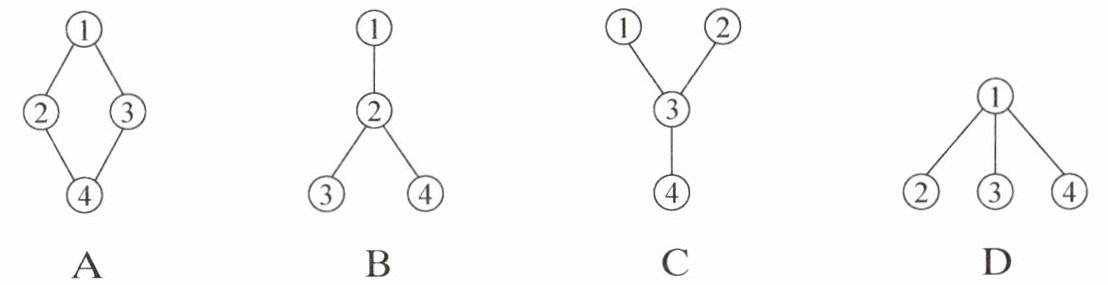
(①=Paragraph 1, ②=Paragraph 2, ③=Paragraph 3, ④=Paragraph 4)
Last winter, I volunteered at a local library. My job was to help repair old books. Most of them were damaged—pages torn, covers broken, and some even had food stains(污渍) from years ago.
At first, I was impatient. I wanted to finish quickly and go home. Then I met Mr Chen, a retired restorer who had worked on ancient texts for over thirty years. He showed me how to clean each page carefully with a soft brush. “Every book has its own story,” he said. “We are not just fixing paper. We are saving memories.”
One book caught my attention. It was a handwritten collection of poems from the 1950s. The ink had faded, and some pages were stuck together. Mr Chen taught me to separate them slowly using steam. It took us three afternoons to finish just ten pages.
When we completed the book, I felt a deep sense of pride. I realized that good things take time. Now when I see old books, I no longer want to rush. I want to listen to their stories.
(
C
)41. What was the writer’s job at the library?A. To write new poems.
B. To clean the reading room.
C. To repair old books.
D. To teach young children.
(
B
)42. What does the underlined word “restorer” in paragraph 2 probably mean?A. A person who writes books.
B. A person who repairs old things.
C. A person who cleans libraries.
D. A person who reads poems aloud.
(
D
)43. Why did the writer mention the book of poems from the 1950s?A. To show how fast he could work.
B. To prove that old books are not worth saving.
C. To explain why he wanted to finish quickly.
D. To show that repair work requires patience and time.
(
A
)44. Which of the following shows the correct structure of the passage?(①=Paragraph 1, ②=Paragraph 2, ③=Paragraph 3, ④=Paragraph 4)
答案
41.C 解析:细节理解题。文章第一段明确提到“My job was to help repair old books.”。故选C。
42.B 解析:词义猜测题。从Mr Chen从事古籍修复三十多年及他教作者修复书籍的细节可推断,restorer意为“修复旧物品的人”。故选B。
43.D 解析:推理判断题。修复这本20世纪50年代的诗集花了三个下午才完成十页,说明修复工作需要耐心和时间,这正是作者提到这个例子的目的。故选D。
44.A 解析:文章结构题。本文结构为“总—分—总”:第①段总体介绍作者在图书馆修复旧书的工作(总);第②③段具体讲述作者遇到陈先生以及修复一本诗集的经历(分);第④段总结作者的感悟和变化(总)。故选A。
