

 登录
登录
Project 1 动动笔,完成以下任务。
A.罗列你的家人。
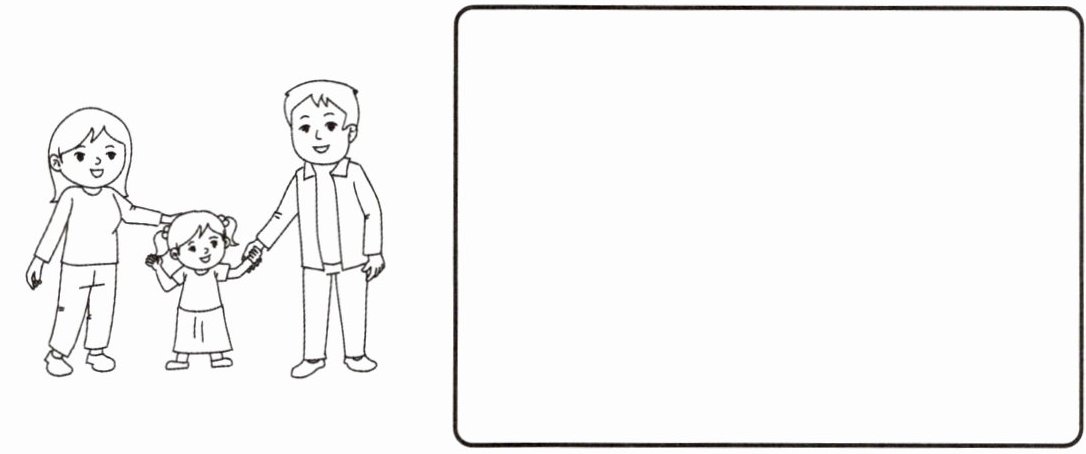
B.画一棵你的家庭树。
A.罗列你的家人。
B.画一棵你的家庭树。
答案
略(参考课本 P34 3a 部分)
解析
【分析】
本题属于英语学科的实践类任务,包含两个子任务:A项为罗列家人,B项为绘制家庭树。解题思路为:先定位课本P34的3a部分内容,回忆其中涉及的家庭成员相关英文词汇与表达;完成A项时,用英文写出自己家人的称呼进行罗列;完成B项时,梳理家庭成员间的关系,绘制家庭树并标注各成员的英文身份,即可完成任务。
【解析】
该任务需结合课本P34的3a内容完成:1. 完成A项:根据自身家庭情况,用英文写出家人的名称(如father、mother、sister等)并罗列;2. 完成B项:明确家庭成员的辈分、关系,绘制家庭树(如长辈在上、晚辈在下的结构),并在各分支标注对应成员的英文称呼,符合课本要求即可。
【答案】
略(参考课本P34 3a部分)
【知识点】
家庭成员词汇、英语实践任务
【点评】
本题为英语学科的基础实践任务,旨在考察学生对家庭成员相关词汇的掌握及实际运用能力,难度较低,学生易完成。
【难度系数】
0.8
本题属于英语学科的实践类任务,包含两个子任务:A项为罗列家人,B项为绘制家庭树。解题思路为:先定位课本P34的3a部分内容,回忆其中涉及的家庭成员相关英文词汇与表达;完成A项时,用英文写出自己家人的称呼进行罗列;完成B项时,梳理家庭成员间的关系,绘制家庭树并标注各成员的英文身份,即可完成任务。
【解析】
该任务需结合课本P34的3a内容完成:1. 完成A项:根据自身家庭情况,用英文写出家人的名称(如father、mother、sister等)并罗列;2. 完成B项:明确家庭成员的辈分、关系,绘制家庭树(如长辈在上、晚辈在下的结构),并在各分支标注对应成员的英文称呼,符合课本要求即可。
【答案】
略(参考课本P34 3a部分)
【知识点】
家庭成员词汇、英语实践任务
【点评】
本题为英语学科的基础实践任务,旨在考察学生对家庭成员相关词汇的掌握及实际运用能力,难度较低,学生易完成。
【难度系数】
0.8
Project 2 阅读课本第76页的文章或者其他文章,列举一些关于姓名的有趣的文化知识。
1. In the UK, a woman often changes her family name to her husband's family name.
2.
3.
4.
1. In the UK, a woman often changes her family name to her husband's family name.
2.
In the UK, most people have a first, middle and last name.
3.
In English names, the last name is the surname. While in China, we put the surnames before the first names.
4.
English people usually get their family names from the places of their homes, their jobs and even their fathers' names.
答案
2. In the UK, most people have a first, middle and last name.
3. In English names, the last name is the surname. While in China, we put the surnames before the first names.
4. English people usually get their family names from the places of their homes, their jobs and even their fathers' names.
(答案不唯一,仅供参考)
3. In English names, the last name is the surname. While in China, we put the surnames before the first names.
4. English people usually get their family names from the places of their homes, their jobs and even their fathers' names.
(答案不唯一,仅供参考)
解析
【分析】本题要求补充关于姓名的有趣文化知识,已给出“英国女性婚后常改夫姓”的例子,需从姓名结构、中西方姓名差异、英语姓氏来源等常见文化角度,结合实际文化常识补充内容,确保符合文化知识的准确性。
【解析】根据常见的姓名文化常识,补充如下内容:
2. In the UK, most people have a first, middle and last name.
3. In English names, the last name is the surname. While in China, we put the surnames before the first names.
4. English people usually get their family names from the places of their homes, their jobs and even their fathers' names.
【答案】2. In the UK, most people have a first, middle and last name.
3. In English names, the last name is the surname. While in China, we put the surnames before the first names.
4. English people usually get their family names from the places of their homes, their jobs and even their fathers' names.
【知识点】英语姓名文化;中西方姓名差异;姓氏来源
【点评】本题属于文化常识拓展题,考查学生对不同文化中姓名相关知识的了解,内容贴近生活,难度较低,学生结合日常积累的文化常识即可完成作答。
【难度系数】0.3
【解析】根据常见的姓名文化常识,补充如下内容:
2. In the UK, most people have a first, middle and last name.
3. In English names, the last name is the surname. While in China, we put the surnames before the first names.
4. English people usually get their family names from the places of their homes, their jobs and even their fathers' names.
【答案】2. In the UK, most people have a first, middle and last name.
3. In English names, the last name is the surname. While in China, we put the surnames before the first names.
4. English people usually get their family names from the places of their homes, their jobs and even their fathers' names.
【知识点】英语姓名文化;中西方姓名差异;姓氏来源
【点评】本题属于文化常识拓展题,考查学生对不同文化中姓名相关知识的了解,内容贴近生活,难度较低,学生结合日常积累的文化常识即可完成作答。
【难度系数】0.3
