

 登录
登录
阅读短文,完成下列任务。
A
For a long time, my idea of fun was very simple: playing video games, watching funny videos, or just hanging out at the mall with friends. These activities were enjoyable at the moment, but the happiness they brought never lasted very long. I often felt empty and a bit sad afterwards, like something was missing.
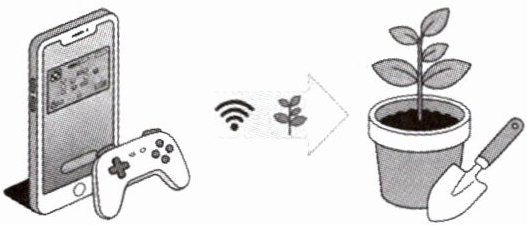
Everything changed for me last summer. My grandfather invited me to help him in his garden. At first, I really thought it would be boring. The sun was hot, the work was hard, and my back hurt a lot. But as the weeks slowly passed, I started to notice small, beautiful changes happening around me. The tiny seeds we planted grew into little green plants. Bees and butterflies came to visit the colourful flowers. One special day, we picked our very first red tomatoes. When we shared them with our neighbours, their happy smiles and thank-you made me feel something completely different—a warm, deep, and lasting happiness that stayed with me.
That whole experience taught me something important about real fun, or maybe I should call it true joy. I learned that this deeper kind of joy often hides in three special places in our lives:
In learning and growth: This happens when you challenge yourself and learn something new, big or small.
In connection: This is when you share an experience with others and feel truly understood and close to them.
In purpose: This comes when you feel that what you are doing matters and is useful, even in a very small way.
Now, I still play video games sometimes because they can be fun too, but I always make sure to save time for other activities that bring me this deeper, more meaningful kind of joy.
任务一:阅读上面的短文,理解作者是如何探索和定义深层乐趣的,并根据短文内容回答问题。
1. What was the writer's old idea of fun?
2. How did the writer feel after doing those old fun activities?
3. Why did the writer's feelings about gardening change over time?
4. What made the writer feel a "warm, lasting happiness"?
5. According to the writer, where does real joy often hide?
A
For a long time, my idea of fun was very simple: playing video games, watching funny videos, or just hanging out at the mall with friends. These activities were enjoyable at the moment, but the happiness they brought never lasted very long. I often felt empty and a bit sad afterwards, like something was missing.
Everything changed for me last summer. My grandfather invited me to help him in his garden. At first, I really thought it would be boring. The sun was hot, the work was hard, and my back hurt a lot. But as the weeks slowly passed, I started to notice small, beautiful changes happening around me. The tiny seeds we planted grew into little green plants. Bees and butterflies came to visit the colourful flowers. One special day, we picked our very first red tomatoes. When we shared them with our neighbours, their happy smiles and thank-you made me feel something completely different—a warm, deep, and lasting happiness that stayed with me.
That whole experience taught me something important about real fun, or maybe I should call it true joy. I learned that this deeper kind of joy often hides in three special places in our lives:
In learning and growth: This happens when you challenge yourself and learn something new, big or small.
In connection: This is when you share an experience with others and feel truly understood and close to them.
In purpose: This comes when you feel that what you are doing matters and is useful, even in a very small way.
Now, I still play video games sometimes because they can be fun too, but I always make sure to save time for other activities that bring me this deeper, more meaningful kind of joy.
任务一:阅读上面的短文,理解作者是如何探索和定义深层乐趣的,并根据短文内容回答问题。
1. What was the writer's old idea of fun?
2. How did the writer feel after doing those old fun activities?
3. Why did the writer's feelings about gardening change over time?
4. What made the writer feel a "warm, lasting happiness"?
5. According to the writer, where does real joy often hide?
答案
【解析】:本题为阅读理解细节问答题,可通过定位原文对应内容得出答案:
1. 从文章第一段第一句可直接找到作者旧的乐趣观念;
2. 从文章第一段末尾可找到作者进行完旧的娱乐活动后的感受;
3. 从文章第二段的描述可知,随着时间推移,作者留意到了园艺过程中身边发生的细小美好的变化,想法随之发生改变;
4. 从文章第二段后半部分可知,和祖父一起采摘第一批红番茄并和邻居分享,邻居的开心笑容和感谢让作者得到了这种温暖持久的幸福感;
5. 从文章介绍深层喜悦的三个段落可直接找到真正的乐趣隐藏的三处位置。
【答案】:
1. His old idea of fun was very simple: playing video games, watching funny videos, or just hanging out at the mall with friends.
2. He often felt empty and a bit sad afterwards, like something was missing.
3. Because as the weeks slowly passed, he started to notice small, beautiful changes happening around him when he did the gardening.
4. When he and his grandfather picked their very first red tomatoes and shared them with neighbours, neighbours' happy smiles and thank-you made him feel the warm, deep and lasting happiness.
5. It often hides in three special places in our lives: in learning and growth, in connection, and in purpose.
1. 从文章第一段第一句可直接找到作者旧的乐趣观念;
2. 从文章第一段末尾可找到作者进行完旧的娱乐活动后的感受;
3. 从文章第二段的描述可知,随着时间推移,作者留意到了园艺过程中身边发生的细小美好的变化,想法随之发生改变;
4. 从文章第二段后半部分可知,和祖父一起采摘第一批红番茄并和邻居分享,邻居的开心笑容和感谢让作者得到了这种温暖持久的幸福感;
5. 从文章介绍深层喜悦的三个段落可直接找到真正的乐趣隐藏的三处位置。
【答案】:
1. His old idea of fun was very simple: playing video games, watching funny videos, or just hanging out at the mall with friends.
2. He often felt empty and a bit sad afterwards, like something was missing.
3. Because as the weeks slowly passed, he started to notice small, beautiful changes happening around him when he did the gardening.
4. When he and his grandfather picked their very first red tomatoes and shared them with neighbours, neighbours' happy smiles and thank-you made him feel the warm, deep and lasting happiness.
5. It often hides in three special places in our lives: in learning and growth, in connection, and in purpose.
