

 登录
登录
1. Listen and tick or cross
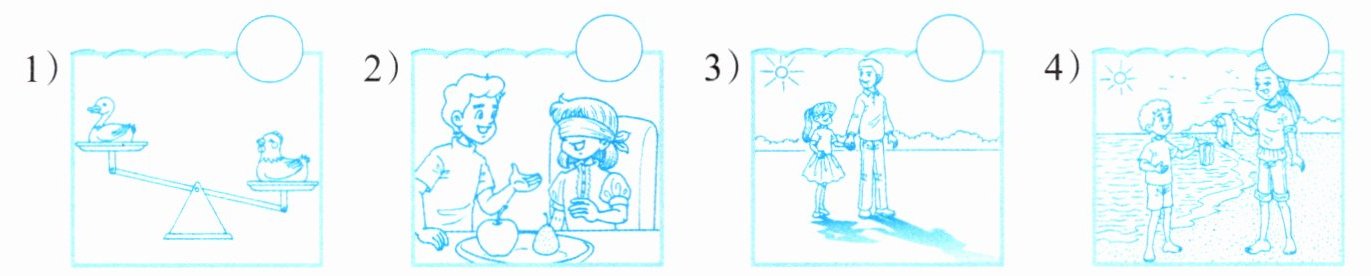
1)
2)
3)
4)
1)
✕
2)
√
3)
√
4)
✕
答案
1)✕
2)√
3)√
4)✕
2)√
3)√
4)✕
解析
翻译:
听录音,打勾或打叉
听录音,打勾或打叉
2. Listen, fill in the blanks and say

Chen Jie is a girl. Her pen pal Annie is an English girl. Chen Jie is years old. She is than Annie. Annie is metres tall. She is Chen Jie. Chen Jie is kilograms. She is Annie. Chen Jie is good at . Annie is good at . Both of them like .
Chen Jie is a girl. Her pen pal Annie is an English girl. Chen Jie is years old. She is than Annie. Annie is metres tall. She is Chen Jie. Chen Jie is kilograms. She is Annie. Chen Jie is good at . Annie is good at . Both of them like .
答案

Chinese; 12; younger; 1.64; taller than; 44; heavier than; singing; dancing; music
解析
翻译:
2. 听录音,填空并说一说
陈洁是一个______女孩。她的笔友安妮是一个英国女孩。陈洁______岁了。她比安妮______。安妮身高______米。她比陈洁______。陈洁体重______千克。她比安妮______。陈洁擅长______。安妮擅长______。她们都喜欢______。
3. Read and write
big—
thin—
strong—
fat—
short—
heavy—
old—
long—
small—
big—
bigger
thin—
thinner
strong—
stronger
fat—
fatter
short—
shorter
heavy—
heavier
old—
older
long—
longer
small—
smaller
答案
bigger;thinner;stronger;fatter;shorter;heavier;older;longer;smaller
解析
本题要求写出给定形容词的比较级形式,根据人教版英语六年级下册Unit 1的知识内容:
“big”为重读闭音节单词且末尾只有一个辅音字母,双写最后一个辅音字母再加 -er,其比较级是“bigger”;
“thin”是重读闭音节单词且末尾只有一个辅音字母,双写最后一个辅音字母再加 -er ,比较级为“thinner”;
“strong”以辅音字母 + r 结尾,比较级直接加 -er,是“stronger”;
“fat”是重读闭音节单词且末尾只有一个辅音字母,双写最后一个辅音字母再加 -er ,比较级为“fatter”;
“short”以辅音字母 + r 结尾,比较级直接加 -er,是“shorter”;
“heavy”以辅音字母 + y结尾,变 y为 i再加 -er,比较级是“heavier”;
“old”以辅音字母 + d结尾,比较级直接加 -er,是“older”;
“long”以辅音字母 + g结尾,比较级直接加 -er,是“longer”;
“small”以辅音字母 + l结尾,比较级直接加 -er,是“smaller”。
翻译:
3. 读一读,写一写
大的—
瘦的—
强壮的—
胖的—
短的—
重的—
老的—
长的—
小的—
“big”为重读闭音节单词且末尾只有一个辅音字母,双写最后一个辅音字母再加 -er,其比较级是“bigger”;
“thin”是重读闭音节单词且末尾只有一个辅音字母,双写最后一个辅音字母再加 -er ,比较级为“thinner”;
“strong”以辅音字母 + r 结尾,比较级直接加 -er,是“stronger”;
“fat”是重读闭音节单词且末尾只有一个辅音字母,双写最后一个辅音字母再加 -er ,比较级为“fatter”;
“short”以辅音字母 + r 结尾,比较级直接加 -er,是“shorter”;
“heavy”以辅音字母 + y结尾,变 y为 i再加 -er,比较级是“heavier”;
“old”以辅音字母 + d结尾,比较级直接加 -er,是“older”;
“long”以辅音字母 + g结尾,比较级直接加 -er,是“longer”;
“small”以辅音字母 + l结尾,比较级直接加 -er,是“smaller”。
翻译:
3. 读一读,写一写
大的—
瘦的—
强壮的—
胖的—
短的—
重的—
老的—
长的—
小的—
4. Read and write
1) —
— It's 1.9 metres long.
— Wow! My scarf is shorter than yours.
2) — You're the tallest in the family, Dad!
— I'm 1.8 metres.
— Wow!
3) —
— I'm 78 years old. Your grandma is younger.
4) —
— I'm 50 kilograms.
— You're much heavier than last year!
5) —
— Six. My grandparents, my parents and me.
— But that's only five.
— Haha, and my little puppy!
1) —
How
long
is your scarf, Mum?— It's 1.9 metres long.
— Wow! My scarf is shorter than yours.
2) — You're the tallest in the family, Dad!
How
tall
are you?— I'm 1.8 metres.
— Wow!
3) —
How
old
are you, Grandpa?— I'm 78 years old. Your grandma is younger.
4) —
How
heavy
are you, Tony?— I'm 50 kilograms.
— You're much heavier than last year!
5) —
How
many
people are there in your family?— Six. My grandparents, my parents and me.
— But that's only five.
— Haha, and my little puppy!
答案
1) How long 2) How tall 3) How old 4) How heavy 5) How many
解析
1) 根据答语"It's 1.9 metres long."可知询问长度,用"How long"。
2) 根据答语"I'm 1.8 metres."及前文"You're the tallest"可知询问身高,用"How tall"。
3) 根据答语"I'm 78 years old."可知询问年龄,用"How old"。
4) 根据答语"I'm 50 kilograms."可知询问体重,用"How heavy"。
5) 根据答语"Six."可知询问数量,用"How many"。
翻译:
4. 读一读,写一写
1) — 妈妈,你的围巾______ ____?
— 它长1.9米。
— 哇!我的围巾比你的短。
2) — 爸爸,你是家里最高的!你______ ____?
— 我身高1.8米。
— 哇!
3) — 爷爷,你______ ____?
— 我78岁了。你奶奶更年轻。
4) — 托尼,你______ ____?
— 我重50千克。
— 你比去年重多了!
5) — 你家有______ ____人?
— 六个。我的祖父母、我的父母和我。
— 但那只有五个人。
— 哈哈,还有我的小狗呢!
2) 根据答语"I'm 1.8 metres."及前文"You're the tallest"可知询问身高,用"How tall"。
3) 根据答语"I'm 78 years old."可知询问年龄,用"How old"。
4) 根据答语"I'm 50 kilograms."可知询问体重,用"How heavy"。
5) 根据答语"Six."可知询问数量,用"How many"。
翻译:
4. 读一读,写一写
1) — 妈妈,你的围巾______ ____?
— 它长1.9米。
— 哇!我的围巾比你的短。
2) — 爸爸,你是家里最高的!你______ ____?
— 我身高1.8米。
— 哇!
3) — 爷爷,你______ ____?
— 我78岁了。你奶奶更年轻。
4) — 托尼,你______ ____?
— 我重50千克。
— 你比去年重多了!
5) — 你家有______ ____人?
— 六个。我的祖父母、我的父母和我。
— 但那只有五个人。
— 哈哈,还有我的小狗呢!
