

 登录
登录
二、听力理解。
同学们来到了野生动物园,大家都在谈论什么?
请听下面5段对话。每段对话后有一小题,从题中所给的A、B、C三个选项中选出最佳选项。每段对话读两遍。
1. What animals do the two students like? ()
A. Pandas. B. Eagles. C. Penguins.
2. What animals does Lily think are amazing? ()
A. Wolves. B. Foxes. C. Giraffes.
3. What does the girl think of tigers? ()
A. They're fast. B. They're powerful. C. They're very dangerous.
4. What does the boy say about the monkeys? ()
A. They're amazing. B. They can jump high. C. They're clever and fast.
5. What do they think of elephants? ()
A. They're really big. B. They're lovely and clever. C. They're smart and strong.
同学们来到了野生动物园,大家都在谈论什么?
请听下面5段对话。每段对话后有一小题,从题中所给的A、B、C三个选项中选出最佳选项。每段对话读两遍。
1. What animals do the two students like? ()
A. Pandas. B. Eagles. C. Penguins.
2. What animals does Lily think are amazing? ()
A. Wolves. B. Foxes. C. Giraffes.
3. What does the girl think of tigers? ()
A. They're fast. B. They're powerful. C. They're very dangerous.
4. What does the boy say about the monkeys? ()
A. They're amazing. B. They can jump high. C. They're clever and fast.
5. What do they think of elephants? ()
A. They're really big. B. They're lovely and clever. C. They're smart and strong.
答案
无
解析
由于没有提供听力音频内容,无法直接解答听力理解题。此类题目需要根据听到的对话信息进行选择,建议在播放听力时仔细捕捉关键信息,如动物名称、描述动物的形容词等,结合选项做出判断。
无听力音频,无法解析。
无听力音频,无法解析。
三、补全对话。
请阅读下面对话,根据上下文语境补全对话,使其通顺、合理,意思完整。一空一句。
(Mike and Alice are talking about the animals they like in the zoo. Alice = A, Mike = M)
A: What's your favourite animal?
M: It's the tiger.
A: 1.
M: Because they're strong and beautiful. Do you think so?
A: 2.
M: Great! Let's go and see them.
A: 3.
M: Look! The tigers are over there. Wow! Aren't they huge(巨大的)?
A: 4. They look so cool!
M: Let's take a picture with the tigers. I want to show it to my friends.
A: 5. They'll love the picture.
请阅读下面对话,根据上下文语境补全对话,使其通顺、合理,意思完整。一空一句。
(Mike and Alice are talking about the animals they like in the zoo. Alice = A, Mike = M)
A: What's your favourite animal?
M: It's the tiger.
A: 1.
M: Because they're strong and beautiful. Do you think so?
A: 2.
M: Great! Let's go and see them.
A: 3.
M: Look! The tigers are over there. Wow! Aren't they huge(巨大的)?
A: 4. They look so cool!
M: Let's take a picture with the tigers. I want to show it to my friends.
A: 5. They'll love the picture.
答案
1. Why do you like tigers? /Why do you like them?
2. Yes, I do. /I think so. /I like tigers, too.
3. OK. /All right. /Good idea.
4. Yes, they are.
5. OK. /All right.
2. Yes, I do. /I think so. /I like tigers, too.
3. OK. /All right. /Good idea.
4. Yes, they are.
5. OK. /All right.
解析
1. 根据上文M说最喜欢的动物是老虎以及下文M回答“Because they're strong and beautiful.”,可知此处A应问为什么喜欢老虎,所以填Why do you like tigers? /Why do you like them?
2. 根据上文M问“Do you think so?”以及下文“Great! Let's go and see them.”,可知A也喜欢老虎,所以填Yes, I do. /I think so. /I like tigers, too.
3. 根据上文M说“Let's go and see them.”以及下文提到老虎在那边,可知此处A可以说一些表示同意的话,所以填OK. /All right. /Good idea.
4. 根据上文M说“Aren't they huge(巨大的)?”以及下文“They look so cool!”,可知A同意老虎很大,所以填Yes, they are.
5. 根据上文M说“Let's take a picture with the tigers. I want to show it to my friends.”以及下文“They'll love the picture.”,可知A同意这个提议,所以填OK. /All right.
2. 根据上文M问“Do you think so?”以及下文“Great! Let's go and see them.”,可知A也喜欢老虎,所以填Yes, I do. /I think so. /I like tigers, too.
3. 根据上文M说“Let's go and see them.”以及下文提到老虎在那边,可知此处A可以说一些表示同意的话,所以填OK. /All right. /Good idea.
4. 根据上文M说“Aren't they huge(巨大的)?”以及下文“They look so cool!”,可知A同意老虎很大,所以填Yes, they are.
5. 根据上文M说“Let's take a picture with the tigers. I want to show it to my friends.”以及下文“They'll love the picture.”,可知A同意这个提议,所以填OK. /All right.
一、发音练习。
(一)听录音,跟读以下有关动物的谚语。注意单词中粗体部分的发音和句子中斜体单词(非重读单词)的读音。每句谚语读两遍。
1. Every dog has its day. 凡人皆有得意时。
2. Don't count your chickens before they hatch. 不要过早乐观。
3. The early bird catches the worm. 早起的鸟儿有虫吃。
4. You can lead a horse to water, but you can't make it drink. 牵马到河易,逼马饮水难。
5. Birds of a feather flock together. 物以类聚,人以群分。
6. All cats are grey in the dark. 黑暗中难分优劣。
7. Don't put all your eggs in one basket. 不要把所有的鸡蛋放在一个篮子里。
(二)大声朗
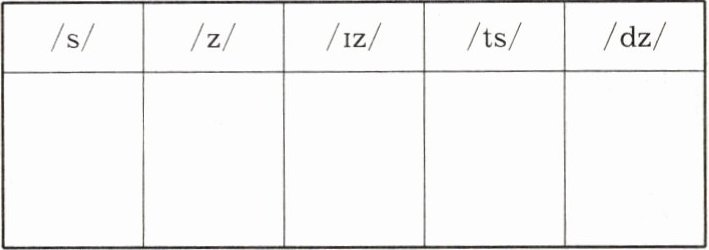
(三)从上面的谚语中摘抄你喜欢的一句。
(一)听录音,跟读以下有关动物的谚语。注意单词中粗体部分的发音和句子中斜体单词(非重读单词)的读音。每句谚语读两遍。
1. Every dog has its day. 凡人皆有得意时。
2. Don't count your chickens before they hatch. 不要过早乐观。
3. The early bird catches the worm. 早起的鸟儿有虫吃。
4. You can lead a horse to water, but you can't make it drink. 牵马到河易,逼马饮水难。
5. Birds of a feather flock together. 物以类聚,人以群分。
6. All cats are grey in the dark. 黑暗中难分优劣。
7. Don't put all your eggs in one basket. 不要把所有的鸡蛋放在一个篮子里。
(二)大声朗
读
含有粗体部分的单词,根据粗体部分的发音将它们正确分类。(三)从上面的谚语中摘抄你喜欢的一句。
答案
/s/: horse; /z/: has, eggs; /ɪz/: chickens, catches; /ts/: cats; /dz/: Birds; The early bird catches the worm.
解析
假设粗体单词为has, chickens, catches, horse, Birds, cats, eggs。分析发音:has中s发/z/;chickens中s发/ɪz/;catches中es发/ɪz/;horse中s发/s/;Birds中ds发/dz/;cats中ts发/ts/;eggs中s发/z/,据此分类。
