

 登录
登录
一、根据汉语意思写单词。
1. Sam's uncle (饲养) chickens and milks cows every day.
2. Mr Smith is (缺席的) from the meeting. Do you know why?
3. We (使升高) the flag every Monday morning on the sports field.
4. Don't make (噪声)! I can't do my homework.
5. It's time for us to (离开). See you next time.
1. Sam's uncle (饲养) chickens and milks cows every day.
2. Mr Smith is (缺席的) from the meeting. Do you know why?
3. We (使升高) the flag every Monday morning on the sports field.
4. Don't make (噪声)! I can't do my homework.
5. It's time for us to (离开). See you next time.
答案
1. raises 2. absent 3. raise 4. noise 5. leave
解析
1. "饲养"对应动词"raise",主语Sam's uncle是第三人称单数,every day表明用一般现在时,所以填raises。
2. "缺席的"是形容词"absent",be absent from是固定搭配,填absent。
3. "使升高"对应动词"raise",主语We是复数,every Monday morning表明用一般现在时,填raise。
4. "噪声"是不可数名词"noise",make noise是固定短语,填noise。
5. "离开"对应动词"leave",It's time for sb. to do sth.结构中用动词原形,填leave。
2. "缺席的"是形容词"absent",be absent from是固定搭配,填absent。
3. "使升高"对应动词"raise",主语We是复数,every Monday morning表明用一般现在时,填raise。
4. "噪声"是不可数名词"noise",make noise是固定短语,填noise。
5. "离开"对应动词"leave",It's time for sb. to do sth.结构中用动词原形,填leave。
二、用括号中所给单词的适当形式填空。
6. (not jump) the queue. You should wait for your turn.
7. Please talk (quiet). We are in the reading room.
8. To keep safe(安全的), we must wear our seat (belt) in the car.
9. Jenny's grandpa has a farm. He (feed) geese and milks cows every day.
10. Look at the sign. It says, "No (eat) or (drink)."
6. (not jump) the queue. You should wait for your turn.
7. Please talk (quiet). We are in the reading room.
8. To keep safe(安全的), we must wear our seat (belt) in the car.
9. Jenny's grandpa has a farm. He (feed) geese and milks cows every day.
10. Look at the sign. It says, "No (eat) or (drink)."
答案
6. Don't jump 7. quietly 8. belts 9. feeds 10. eating;drinking
解析
6. 祈使句否定形式用Don't+动词原形,故填Don't jump。
7. 修饰动词talk用副词,quiet的副词是quietly,故填quietly。
8. seat belt是固定搭配,意为“安全带”,此处用复数belts,故填belts。
9. 由every day可知用一般现在时,主语He是第三人称单数,feed用第三人称单数形式feeds,故填feeds。
10. No后接动名词,eat和drink的动名词分别是eating、drinking,故填eating;drinking。
7. 修饰动词talk用副词,quiet的副词是quietly,故填quietly。
8. seat belt是固定搭配,意为“安全带”,此处用复数belts,故填belts。
9. 由every day可知用一般现在时,主语He是第三人称单数,feed用第三人称单数形式feeds,故填feeds。
10. No后接动名词,eat和drink的动名词分别是eating、drinking,故填eating;drinking。
三、用括号中所给单词的适当形式填空。
11. (not run) in the hallways or in the classroom.
12. We must (wear) our school uniforms on Mondays.
13. Please (be) careful(小心的)when you cross the road.
14. Let's (write) some words on the card.
15. No (talk) in class.
11. (not run) in the hallways or in the classroom.
12. We must (wear) our school uniforms on Mondays.
13. Please (be) careful(小心的)when you cross the road.
14. Let's (write) some words on the card.
15. No (talk) in class.
答案
11. Don't run
12. wear
13. be
14. write
15. talking
12. wear
13. be
14. write
15. talking
解析
11. 题目为祈使句的否定形式,用"Don't" + 动词原形,因此填"Don't run"。
12. "must"为情态动词,后面接动词原形,因此填"wear"。
13. "please"后接动词原形,表示请求,因此填"be"。
14. "Let's"后接动词原形,表示建议,因此填"write"。
15. "No"后接动词的-ing形式,表示禁止,因此填"talking"。
12. "must"为情态动词,后面接动词原形,因此填"wear"。
13. "please"后接动词原形,表示请求,因此填"be"。
14. "Let's"后接动词原形,表示建议,因此填"write"。
15. "No"后接动词的-ing形式,表示禁止,因此填"talking"。
四、用方框中所给单词或词组的适当形式填空。每词(组)限用一次。
can can't must have to don't have to
16. As students, we finish our homework on time.
17. You eat too much ice cream. It's not healthy.
18. Ann lives with her grandparents and she only see her parents at weekends.
19. Tom's bike doesn't work, so he walk to school.
20. You do your homework right now. You can do it after dinner.
can can't must have to don't have to
16. As students, we finish our homework on time.
17. You eat too much ice cream. It's not healthy.
18. Ann lives with her grandparents and she only see her parents at weekends.
19. Tom's bike doesn't work, so he walk to school.
20. You do your homework right now. You can do it after dinner.
答案
16.must 17.can't 18.has to 19.has to 20.don't have to
解析
16. 作为学生,按时完成作业是必须的,用must。17. 吃太多冰淇淋不健康,所以不可以,用can't。18. Ann和祖父母住,只能周末见父母,客观情况导致不得不,用has to。19. 自行车坏了,所以不得不步行上学,用has to。20. 可以晚饭后做,说明现在不必做,用don't have to。
五、根据图片和提示写句子。
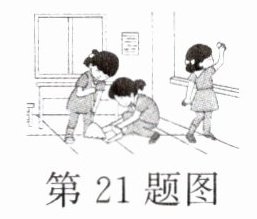


21. (you must clean and tidy classroom)
.
22. (bring dog train station)
.
23. (can swim in river)
.
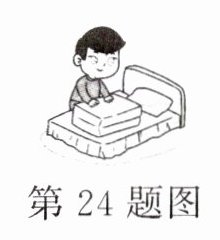
24. (he have to every morning)
.
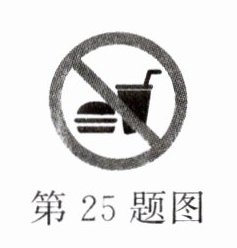
25. (drink eat here)
.
21. (you must clean and tidy classroom)
.
22. (bring dog train station)
.
23. (can swim in river)
.
24. (he have to every morning)
.
25. (drink eat here)
.
答案
21. You must clean and tidy the classroom
22. Don't bring a dog to the train station
23. You can't swim in the river
24. He has to make the bed every morning
25. Don't eat or drink here
22. Don't bring a dog to the train station
23. You can't swim in the river
24. He has to make the bed every morning
25. Don't eat or drink here
解析
21. 图片显示学生打扫教室,提示词有you, must, clean and tidy, classroom。must后接动词原形,classroom前加定冠词the表特指,故句子为You must clean and tidy the classroom.
22. 图片是禁止带狗的标志,提示词bring, dog, train station。禁止做某事用Don't+动词原形,“带狗到火车站”是bring a dog to the train station,故句子为Don't bring a dog to the train station.
23. 图片是禁止游泳的标志,提示词can, swim, in, river。禁止做某事用You can't+动词原形,“在河里游泳”是swim in the river,故句子为You can't swim in the river.
24. 图片显示男孩整理床铺,提示词he, have to, every morning。he是第三人称单数,have to变has to,“整理床铺”是make the bed,故句子为He has to make the bed every morning.
25. 图片是禁止吃喝的标志,提示词drink, eat, here。禁止做某事用Don't+动词原形,“吃喝”是eat or drink,故句子为Don't eat or drink here.
22. 图片是禁止带狗的标志,提示词bring, dog, train station。禁止做某事用Don't+动词原形,“带狗到火车站”是bring a dog to the train station,故句子为Don't bring a dog to the train station.
23. 图片是禁止游泳的标志,提示词can, swim, in, river。禁止做某事用You can't+动词原形,“在河里游泳”是swim in the river,故句子为You can't swim in the river.
24. 图片显示男孩整理床铺,提示词he, have to, every morning。he是第三人称单数,have to变has to,“整理床铺”是make the bed,故句子为He has to make the bed every morning.
25. 图片是禁止吃喝的标志,提示词drink, eat, here。禁止做某事用Don't+动词原形,“吃喝”是eat or drink,故句子为Don't eat or drink here.
