

 登录
登录
一、阅读短文,判断正(T)误(F)。
A
Nancy and Helen usually go to school by car. They go past(经过) a cinema, a supermarket and a toy shop. The toy shop is next to the supermarket. Ben and Sam go to school by bus. They go past a bank(银行) and City Library. The bank is beside City Library. Ann usually goes to work by bike. She rides past a train station and a bookshop.
( )1. There are four people in the passage(文章).
( )2. The supermarket is next to the toy shop.
( )3. Ben goes to school by bike.
( )4. The bank is behind City Library.
( )5. Ann rides past a bus station and a bookshop.
B
An old woman wants to go to New York to see her son. She gets up early and gets to the station at nine o’clock in the morning. When does the train come and leave? She is very worried. She stops a boy and asks him.
The boy looks at the woman and says,“Two to two.” The old woman sits on a chair and thinks and thinks. Then she says,“Oh, I see.”
( )1. The woman is young. ( )2. The boy does not tell her the time.
( )3. The woman gets up early. ( )4. The train comes in the afternoon.
( )5. The woman knows the time at last.
A
Nancy and Helen usually go to school by car. They go past(经过) a cinema, a supermarket and a toy shop. The toy shop is next to the supermarket. Ben and Sam go to school by bus. They go past a bank(银行) and City Library. The bank is beside City Library. Ann usually goes to work by bike. She rides past a train station and a bookshop.
( )1. There are four people in the passage(文章).
( )2. The supermarket is next to the toy shop.
( )3. Ben goes to school by bike.
( )4. The bank is behind City Library.
( )5. Ann rides past a bus station and a bookshop.
B
An old woman wants to go to New York to see her son. She gets up early and gets to the station at nine o’clock in the morning. When does the train come and leave? She is very worried. She stops a boy and asks him.
The boy looks at the woman and says,“Two to two.” The old woman sits on a chair and thinks and thinks. Then she says,“Oh, I see.”
( )1. The woman is young. ( )2. The boy does not tell her the time.
( )3. The woman gets up early. ( )4. The train comes in the afternoon.
( )5. The woman knows the time at last.
答案
一、A 1~5 FTFFF
B 1~5 FFTTT
二、跨学科 条形统计图 阅读图表,选择正确的答案并回答问题。
Boys and girls, how do you come to school? Here is a survey(调查) of ways to school in Class 1, Grade 5, Sun Primary School. Please read the bar chart(条形图) and finish the exercises(习题).
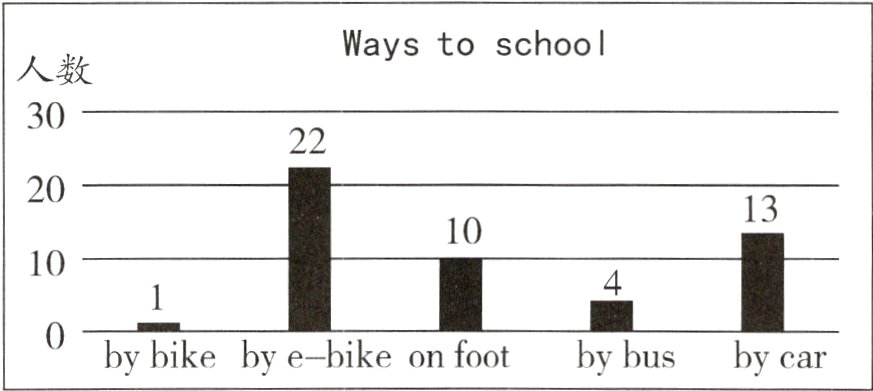
( )1. How many ways do students come to school in this class?
A. Four. B. Five. C. Six.
( )2. ________ students come to school on foot in this class.
A. Ten B. Thirteen C. Twenty - two
( )3. There are ________ students in this class.
A. 40 B. 49 C. 50
( )4. Which way is NOT good for our environment(环境)?
A. By bike. B. On foot. C. By car.
( )5. What must people wear on e - bikes?
A.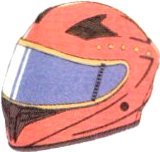 B.
B.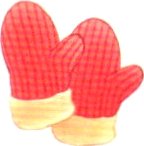 C.
C.
6. 新考法 开放式谈交通方式 How do you come to school? Why?
______________________________
Boys and girls, how do you come to school? Here is a survey(调查) of ways to school in Class 1, Grade 5, Sun Primary School. Please read the bar chart(条形图) and finish the exercises(习题).
( )1. How many ways do students come to school in this class?
A. Four. B. Five. C. Six.
( )2. ________ students come to school on foot in this class.
A. Ten B. Thirteen C. Twenty - two
( )3. There are ________ students in this class.
A. 40 B. 49 C. 50
( )4. Which way is NOT good for our environment(环境)?
A. By bike. B. On foot. C. By car.
( )5. What must people wear on e - bikes?
A.
B. C.6. 新考法 开放式谈交通方式 How do you come to school? Why?
______________________________
答案
二、1~5 BACCB
6. I come to school on foot because I live near school and I enjoy walking.(答案不唯一)
1. 图表中出现了 by bike、by e - bike、on foot、by bus 和 by car 五种上学的方式。
2. 从条形图可以看出,步行去上学的学生是 10 人。
3. 将各种出行方式的学生相加,总共 50 人。
4. 根据题中关键短语 not good for 得知,是乘汽车。
5. e - bike 是电瓶车,人们骑电瓶车必须戴头盔。
6. I come to school on foot because I live near school and I enjoy walking.(答案不唯一)
1. 图表中出现了 by bike、by e - bike、on foot、by bus 和 by car 五种上学的方式。
2. 从条形图可以看出,步行去上学的学生是 10 人。
3. 将各种出行方式的学生相加,总共 50 人。
4. 根据题中关键短语 not good for 得知,是乘汽车。
5. e - bike 是电瓶车,人们骑电瓶车必须戴头盔。
